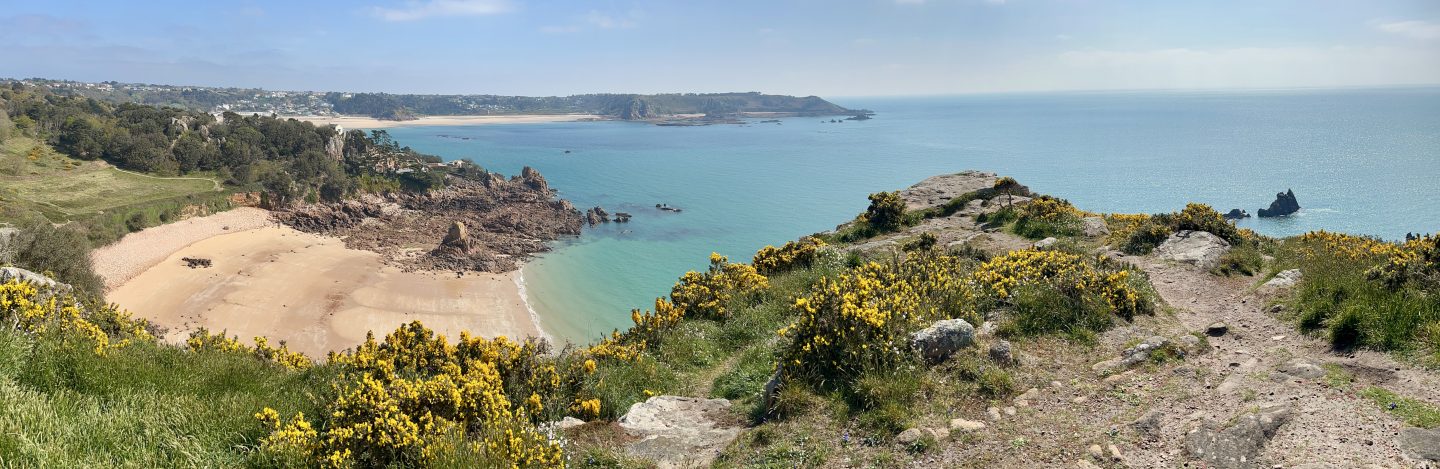
Dundee: RRS Discovery and Verdant Works
RRS Discovery
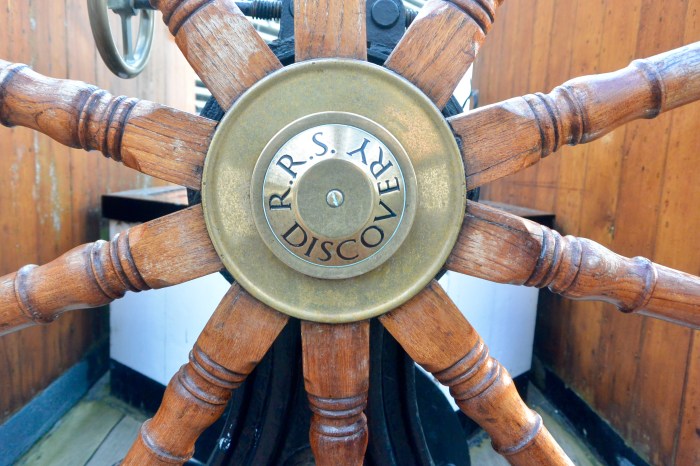 At the end of the 19th century, Dundee was a whaling port with a ship-building industry capable of constructing vessels strong enough to withstand the ice of Arctic whaling grounds. It was therefore the perfect place to build Royal Research Ship Discovery in which the British National Antarctic Expedition set sail in 1901, commanded by Robert Falcon Scott and including in the crew Ernest Shackleton. The expedition spent two years in the Antarctic in arduous conditions, resulting in a wealth of scientific information which is still used by polar researchers today.
In 1986, RRS Discovery returned to Dundee and was refitted as a museum which portrays both Scott’s and subsequent expeditions. I was surprised how much there was to see: I anticipated a quick tour round the ship, but there were also several interesting galleries before we boarded and in the end we spent all morning there. Highly recommended (and great mannequins, Jessica).


After lunch (tasty soup in Discovery’s café) we headed across Dundee for our second museum of the day.
Verdant Works
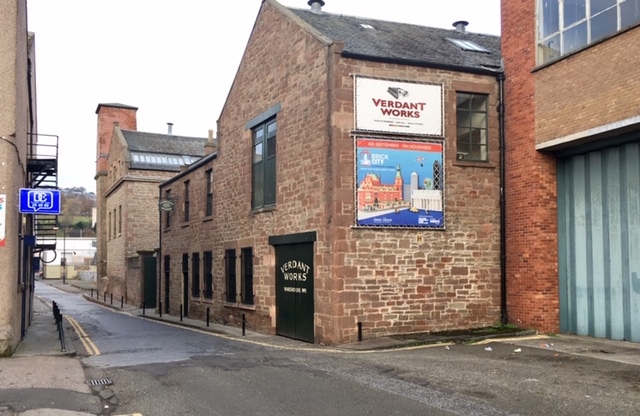 At one time, Dundee was undoubtedly the jute capital of the world. Around the year 1900, more than 50,000 people (out of a population of 161,000) were employed in over 100 mills. The Verdant Works transports us back to that time.
First we visited the Lodge Keeper before going into the Works Office. Most of the furniture and fittings in the office are original, dating to 1890-1900, so when the Dundee Heritage Trust bought the Works in 1991 it had to do very little to restore it.


The contraption in the last picture above is a copying press. In the days before scanners and copiers – or even carbon paper – an original written with copying ink was placed against a moistened piece of tissue and put into the press. The pressure forced a copy onto the tissue. Let’s be thankful for modern technology! When it works …
The machine hall took you through the process of making jute from fibre to fabric – lots of big green machines.


The biggest machine of all, however, is in the High Mill. The Boulton and Watt steam engine (1801), which we saw demonstrated, is too big to show successfully in one picture, but here are some impressions.


I liked the way the High Mill was decorated with images of its workers over the years, mainly female. Women outnumbered men three to one in the mills, creating the original house-husband and giving Dundee the epithet She Town. This was also addressed in one of the social history galleries upstairs – it really is worth expanding the explanatory panel to have a read. Here’s to over-dressed, loud, bold-eyed girls!


Once again, this was a museum we thoroughly enjoyed and we were the last people to leave – we thought we might have been locked in when we found the main gate closed! Fortunately, there were staff in the café to let us out through the Lodge House. Our short break in Dundee had been wonderful, and we had plans for our journey home the next day. They didn’t quite work out – read on next week …


 The Glasgow Gallivanter
I work in social media for both of these museums run by the small charity Dundee Heritage Trust. We rely on visitor admissions, shop and cafe sales, weddings and conference events to continue to preserve and present Dundee’s incredible industrial heritage. Thank you so much for your excellent review and kind words about our museums. We really do appreciate the effort you have taken to present this material and are thrilled you had a great day in Dundee – Britain’s coolest little city! Hurry back!
LikeLike
Thank you! I’m so glad you found this and enjoyed it. Dundee Heritage Trust is doing a great job. We had two weekend breaks in Dundee in the 18 months or so before the pandemic and loved it. I also had a day trip with friends to explore the women’s history trail, another great initiative.
LikeLike
Neat article 🙂 loved this
LikeLike
Thank you!
LikeLike
Anabel, as a teen I was fascinated by stories of Scott’s Antarctic trip, and also by polar expeditions in general, and I read everything I could get my hands on. So I would love to see R.R.S. Discovery!
Also, how interesting that once women became the primary wage earners outside the home (rather than men), their social rights and privileges changed accordingly. It makes one think twice about Marx’s theories about the means of production as a source of power and influence in society.
Jude
LikeLike
It sounds as though you would have loved both these museums.
LikeLike
I laughed at your comment about great mannequins and then including a photo of John. I assume that’s not what you meant 😆
I understand the reference to “loud and bold-eyed” relative to women in non-traditional roles, but I’m baffled by the “over-dressed”. What am I missing?
LikeLike
Someone else mentioned the connection between the mannequins and the photo of John so I told him people said he looked like a dummy! Not impressed 😉. The overdressed, loud and bold-eyed description is from the info panel I photographed. It was a complaint about girls going out on the town and getting drunk like men.
LikeLike
You made me laugh out loud a second time! Poor John! 😆
I had read the info panel and kept going back over it trying to figure out what I had missed about the ‘over-dressed’ part.
LikeLike
I guess they must have got really dressed up!
LikeLiked by 1 person
A very interesting two museums you’ve given us in this post. Have you thought of making a collection of your museum pieces. I’m sure there would be a market for it at various tourist offices, so often museums are overlooked in favour of churches, castles and suchlike.
LikeLike
Aha, now you are trying to make work for me!!
LikeLike
I like the perspectives of the High Mill. Quite unique to see (and photograph) it from so many different angles. And, don’t you love those life-size mannequins and how they dress them and create human features? We saw a WWII exhibition about Gallipoli in New Zealand a few years ago and I still think about the realistic creation of the mannequins there and how important that was to create a good picture of life back then and leave an impression.
LikeLike
I thought this was a really well presented museum. Top standard mannequins help! I’ve seen some horrors in the past.
LikeLiked by 1 person
Thanks for this lovely museum visit Anabel. My mum’s going to Dundee for a few days soon, and I’ll suggest the Verdant Works museum to her. So many of our female ancestors worked in jute weaving; Mum will love it.
LikeLike
Oh, I hope she does! It’s a really good museum.
LikeLiked by 1 person
I’m sure she’ll be really keen. It’s a big part of our family’s history.
LikeLiked by 1 person
oh MrB would really enjoy the second museum so I know what we will be doing this summer when we come up!
LikeLike
Dundee is full of interest! Maybe we can engineer a Scottish meet-up this year?
LikeLiked by 1 person
Really hope so . . . . as soon as I know when we are leaving the Algarve I will be then looking at the diary to organise our Scottish fling . . . any months I should definitely avoid?
LikeLike
We’ve a couple of short breaks in May then nothing (so far) till July. Diaries are always fluid of course!
LikeLiked by 1 person
Thanks so much for this . . . . unlikely to be May as we will only just be back, so all being well will be a time when you are at home 🙂
LikeLiked by 1 person
So neat! I think you probably know how much I like both polar exploration and mannequins, so obviously I would love to see this. The Verdant Works looks pretty mannequin-tastic as well!
LikeLike
I do! I can see Dundee being a great destination for you.
LikeLiked by 1 person
A couple of very interesting museums. I’d certainly like to visit both of them.
I’ve been to Dundee a couple of times with work, but that was many, many years ago (almost 30!) so the place has definitely changed since then. No fancy museums when I was there.
The Jute mill looks particularly interesting – similar, but different to the cotton mills we used to have in this part of the world. The steam engine looks brill.
I know a little about jute from my work perspective. Exposure to the dust can cause respiratory disease including chronic bronchitis and byssinosis (the same lung disease that cotton workers could also develop). It would have been noisy too. So many of those “over-dressed, loud, bold-eyed girls” would go on to develop respiratory disease and become deaf due to their work. Was there any mention of this in the exhibition other than the passing reference on the information panel you photographed?
LikeLike
Dundee has changed enormously! There was more about health generally in another section. Just about every historic industry I read about (eg making matches or dyes) has horrible health hazards. I suppose it’s improved somewhat today (though I wouldn’t want to work in, say, a nuclear facility and you probably know of many more mundane examples).
LikeLiked by 1 person
Being locked in the museum for the night might actually be interesting….
LikeLike
Or spooky …
LikeLike
Loved that ship and tour when I visited it years ago as I knew nothing about it then. V.W. where the word pukka comes from. The Indian word for a jute bale I believe in weight terms…… underweight bale, recognised by lifting- not pukka. I know many infants died in Dundee during the mill days with the mothers out at work all day and the babies looked after by relatives or strangers often in groups by a baby sitter who may not have had milk to feed them properly. One of the UK’s worst cities for infant mortality.( Watched a prog on it a while ago)
LikeLike
Interesting! I don’t remember either of those aspects being mentioned (though of course I didn’t read every word).
LikeLike
John looked quite at home on the ship 🙂 🙂
LikeLike
Potential retirement hobby, maybe?
LikeLike
Aye aye, skipper! 🙂
LikeLiked by 1 person
This is very interesting and I know hubby would love to see the ship and this museum. I love the old ways they created something that we now don’t even think about.
LikeLike
Everything must just have been so much work in those days!
LikeLike
They look like two very interesting places to visit.
LikeLike
They were, unexpectedly so in the case of the ship which I didn’t think I would be so interested in.
LikeLike
I’ve gone into a few museums/displays over the years that I thought wouldn’t be my ‘thing’ only to be very pleasantly surprised. 🙂
LikeLiked by 1 person
Those mannequins are fabulous and make the whole experience more “real”. We didn’t come across this on our visit. Though managed to capture a few photos of Oor Wullie 🙂 Anabel, you are an excellent ambassador for Scotland.
LikeLike
I hope so, thank you!
LikeLike
Hey, the museum would have been a good place to get locked inside overnight!
LikeLike
Well, we could have raided the cafe but not sure there was anywhere comfortable to sleep!
LikeLiked by 1 person
These look like two very interesting museums! The mannequin turning the ship’s wheel is very handsome and lifelike!! 🙂 🙂
LikeLike
Ha ha, I’ll tell him you said he looked like a dummy 😉!
LikeLike
I think you are exaggerating a little – and make sure I said he was very handsome. 🙂
LikeLike
He is now grinning from ear to ear!
LikeLiked by 1 person
Excellent!
LikeLiked by 1 person
The presentation of the Discovery seems to have improved since I last visited (very many moons ago). I have never been to the Verdant Works. I will need to file a visit to both away as a possibility for when we next travel home to Scotland.
LikeLike
Yes, and some bits of both might appeal to your boys too.
LikeLiked by 1 person
Indeed. They are definitely all old enough to engage with that sort of stuff now.
LikeLiked by 1 person
The Verdant Works is great. I went there a few years ago when I was doing an OU course which included a section on Dundee and jute. It gives a great insight into the jute industry and of course the role of women too. I may be due a return visit after reading this!
LikeLike
I hadn’t even heard of it till last year! It was excellent I thought.
LikeLiked by 1 person
I’ll just repeat what I said last week 🙂
LikeLike
Time to visit Dundee again, or words to that effect? 😊
LikeLike
Wow – that fisherman’s sweater on that mannequin! Fun to take this tour with you 🙂 -Susan
LikeLike
Thanks, Susan, it was a lot of fun to do!
LikeLiked by 1 person
I wonder if you could get locked in? If so, I hope you would also be able to sneak into the cafe! Great post!
LikeLike
Thanks Donna. I suspect they would have found us before we got locked in! Or we’d have set off some horrendously loud alarm.
LikeLike
I really like museums like these. I clearly need to visit Dundee!
LikeLike
I confess it’s much more interesting than I thought it would be!
LikeLike
Hi Anabel – museums, galleries and exhibitions seem to have become much more interesting … I really enjoy going to things … and if I was somewhat nearer – I’d definitely be tempted to go up to visit. Loved both of them … and the social history makes a fascinating read. Shackleton called Eastbourne home … Not much to remind us of that fact today – either … ! The Jute industry and details … just good to know about – one day I may get there. Lovely – so glad you had a good time – cheers Hilary
LikeLike
Thanks, Hilary. Museums have definitely come a long way since I was young. No more dusty cases!
LikeLike
My grandmother used to be in a glee club with Lady Scott and remembered when the Antarctic expedition failed. She felt particularly sorry for Peter who was the same age as her son and used to play with him. Two very interesting museums. I just wished I lived nearer.
LikeLike
Wow, what a great connection to have! Thanks for sharing the story.
LikeLike
What a fantastic museum with so much historic value. Interesting that the women outnumbered men in the mills, resulting in the She Town name. I’m glad you were able to get out! It might not have been so much fun if you’d had to stay overnight. 🙂
LikeLike
It might have been a bit spooky! The social history was fascinating. I knew a lot of women worked in the mills, but I hadn’t realised just how much that affected society as a whole.
LikeLiked by 1 person
Great post! I love these kinds of museums and you made me feel like I was there with you. John looks like a natural ship’s captain 👨✈️ at the wheel!
LikeLike
Doesn’t he! Fortunately he wasn’t able to take it for a spin.
LikeLiked by 1 person
Two very interesting pieces of history Anabel, I like the ship and the ceiling in the works 🙂 I’ll be reading your posts backwards now as I’ve quite a few to catch up on 🙂
LikeLike
Thanks Eunice, Dundee has lots of interest, much more than I thought.
LikeLike
Read for first time about Glasgow Gallivanter. I live in Dunblane but born and brought up in Glasgow. Would love to join the fun of ‘gallivanting’. Look fwd to hearing from you.
LikeLiked by 1 person
Thanks, Dorothy – good to have you along! You can get email notifications of new blog posts by clicking on the Follow button at the right hand side (or at the bottom on some mobile screens).
LikeLike