
Mdina and Dingli
19th April 2026
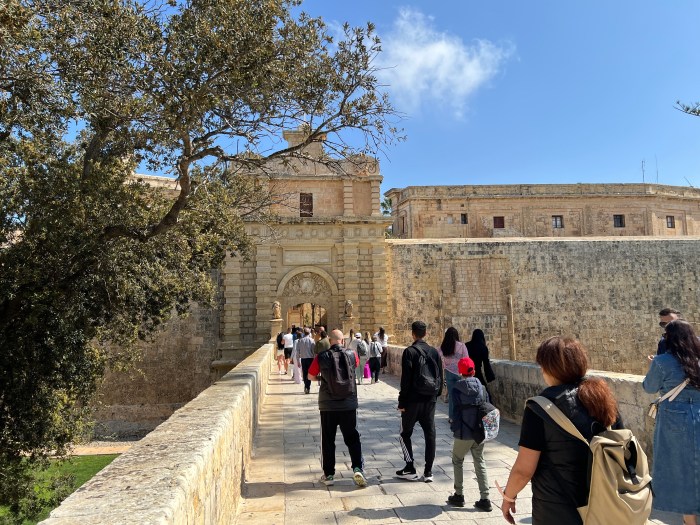
On our last day in Malta we took the bus to the hill-top walled city of Mdina. This was the site of Malta’s first capital, founded in the 8th century by the Phoenicians. However, it was the Arabs who surrounded it with the defensive wall you see today after they conquered Malta in 870. Mdina became less important after the foundation of Valletta and is today inhabited by fewer than 300 people. It must be like living in a very busy museum!
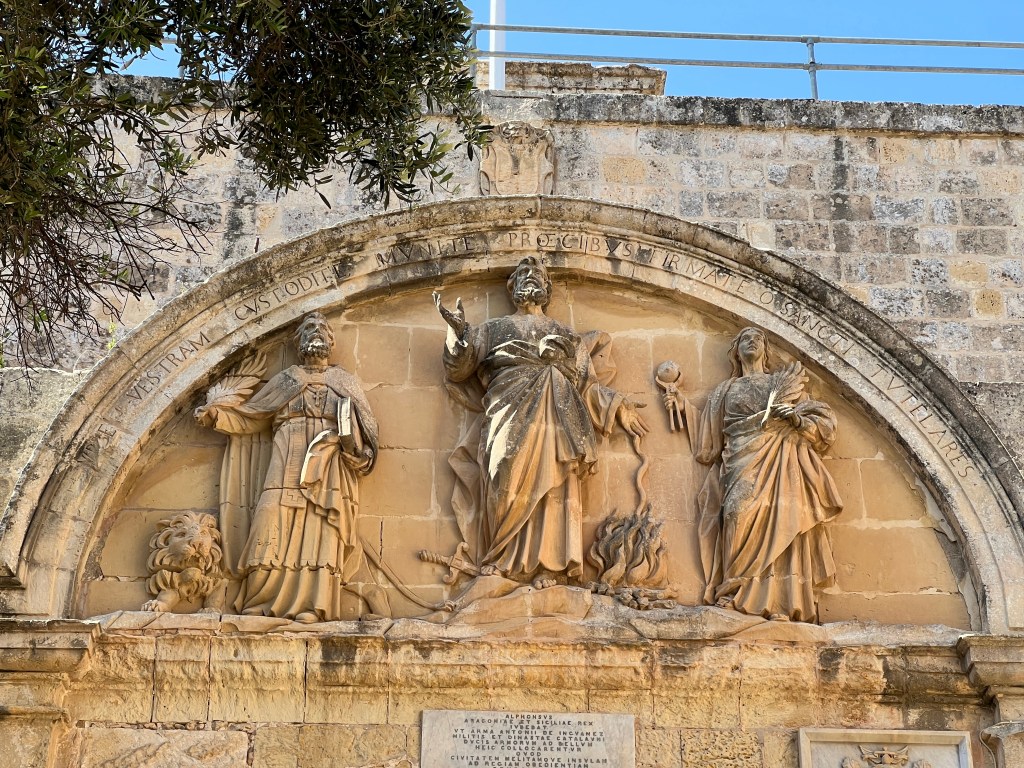
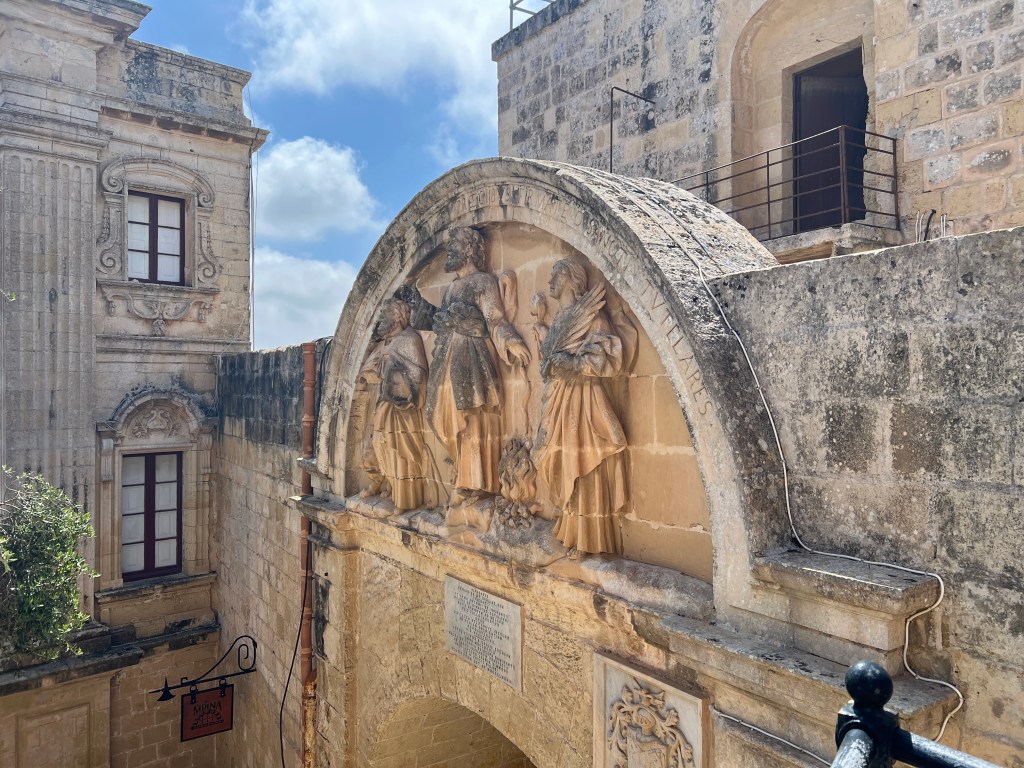
Through the gate we admired the carving above it and the buildings of Pjazza San Publiju.
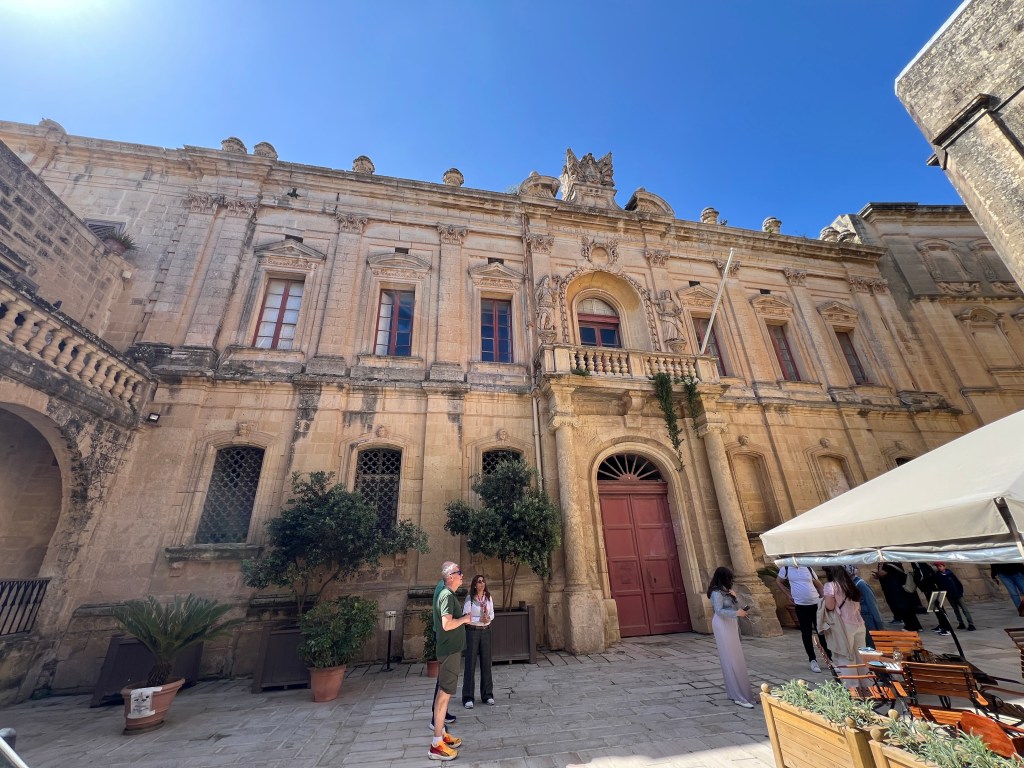
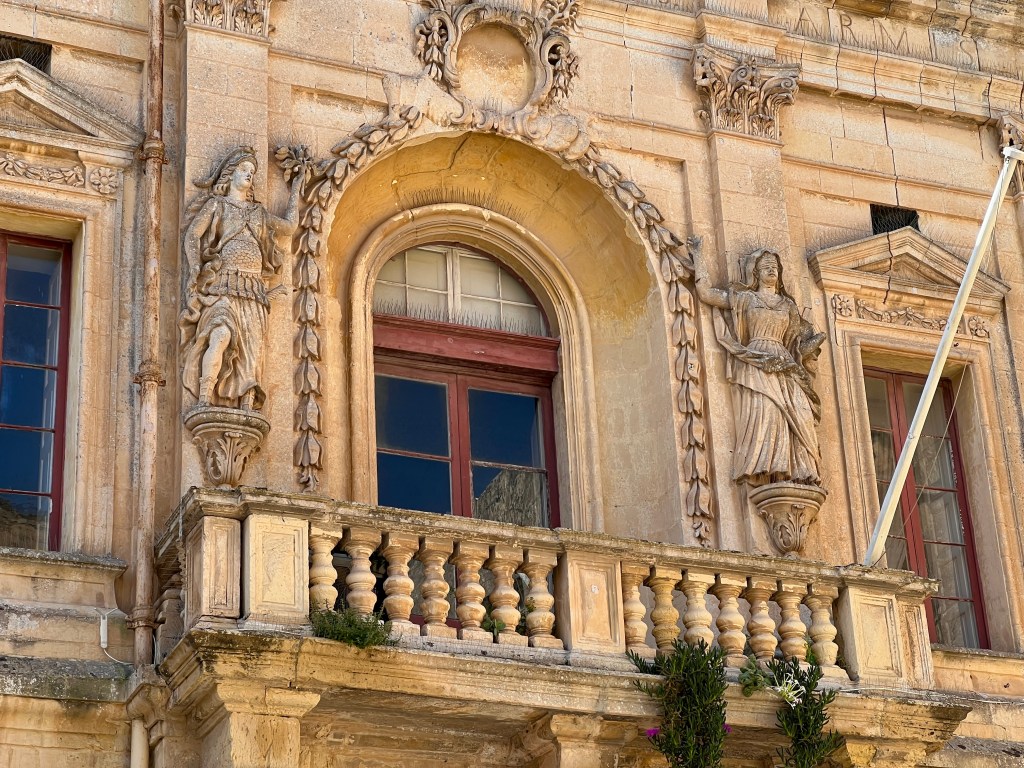
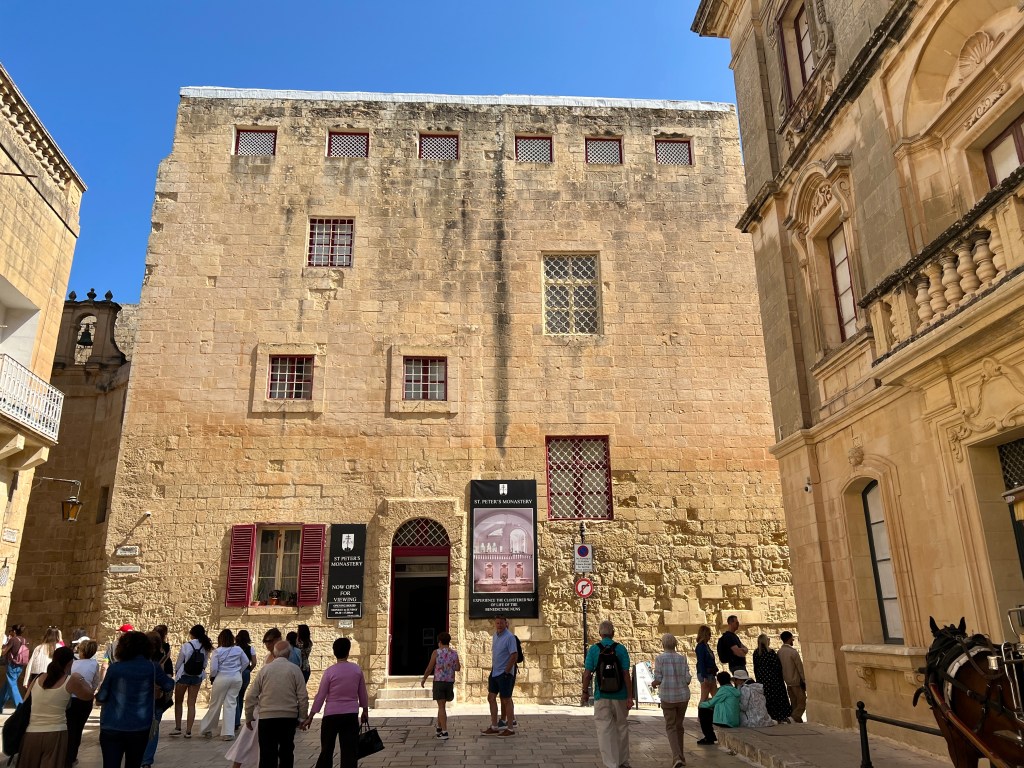
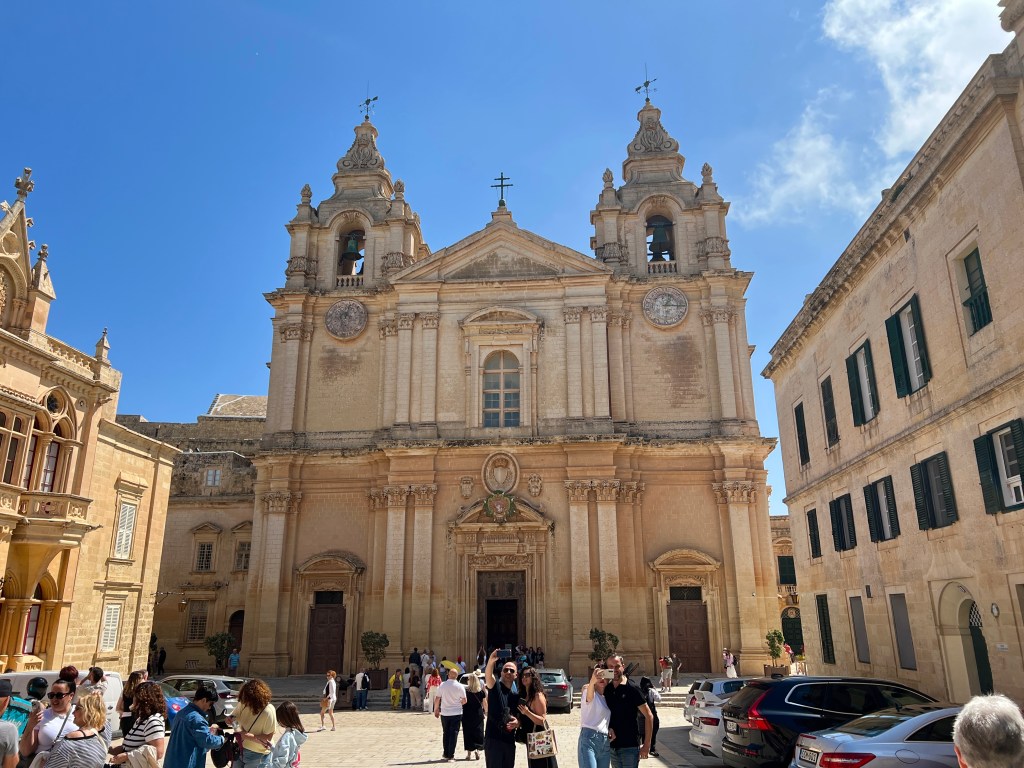
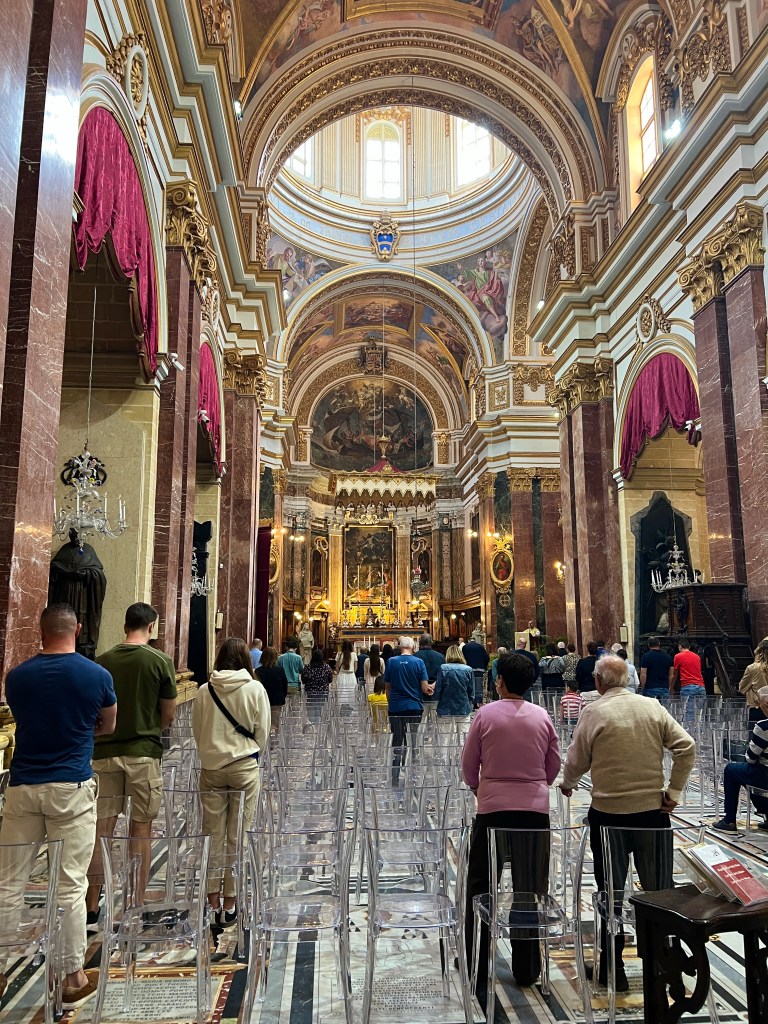
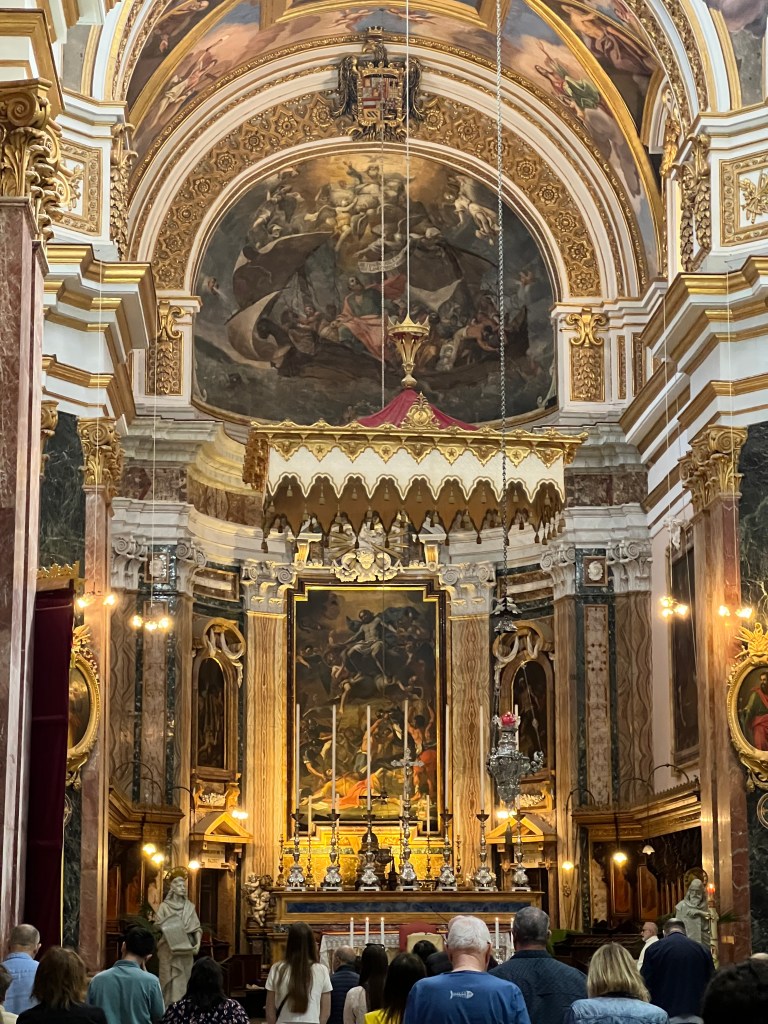
Then we wandered down past a couple of palaces (Palazza Gatto Morina houses a café which made a convenient coffee stop) to Pjazza San Pawl, home of the Cathedral. There was a service on so we could only look through the door, although that was enough to see that it was as ornate as many of the other churches we had visited.
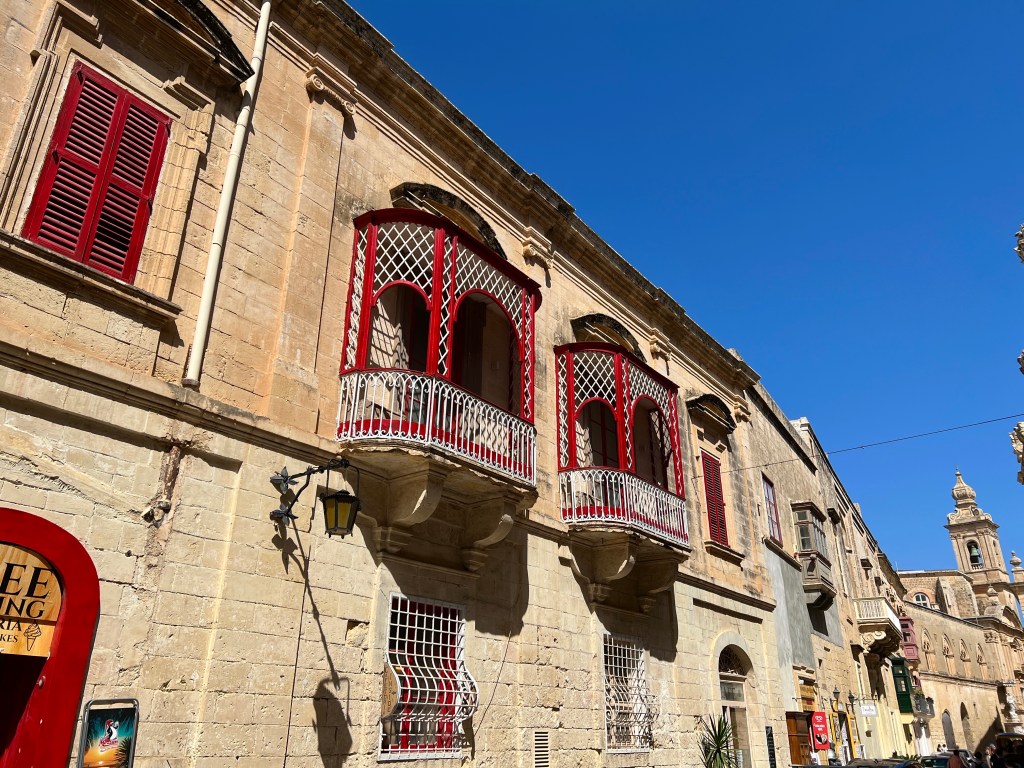
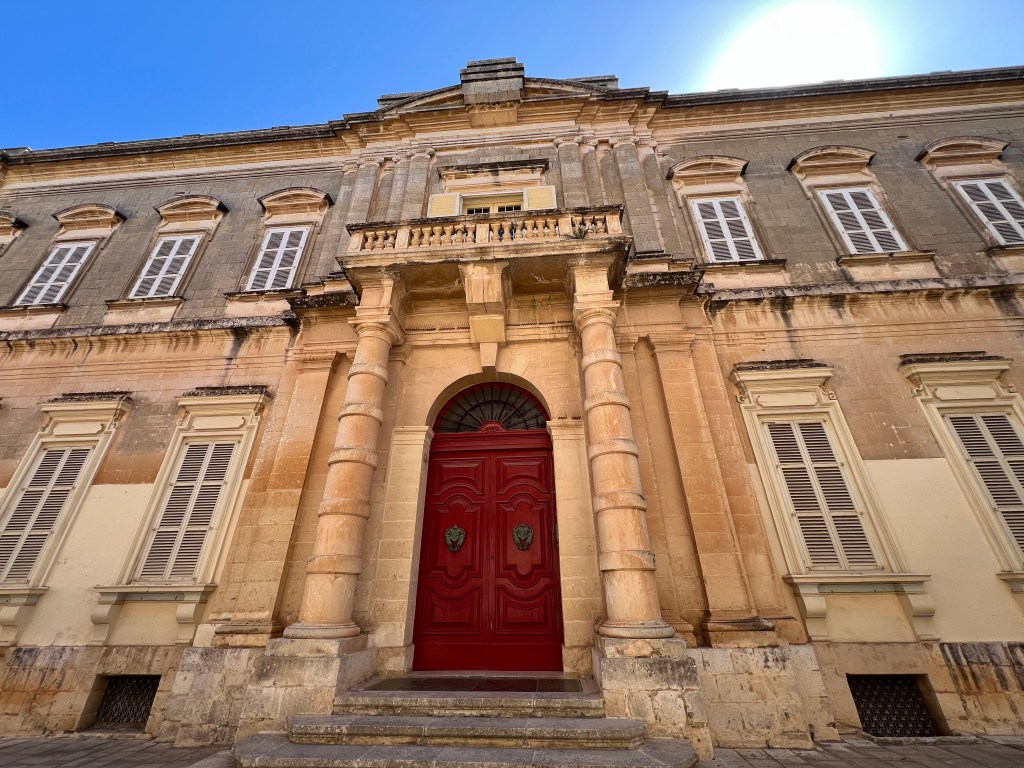
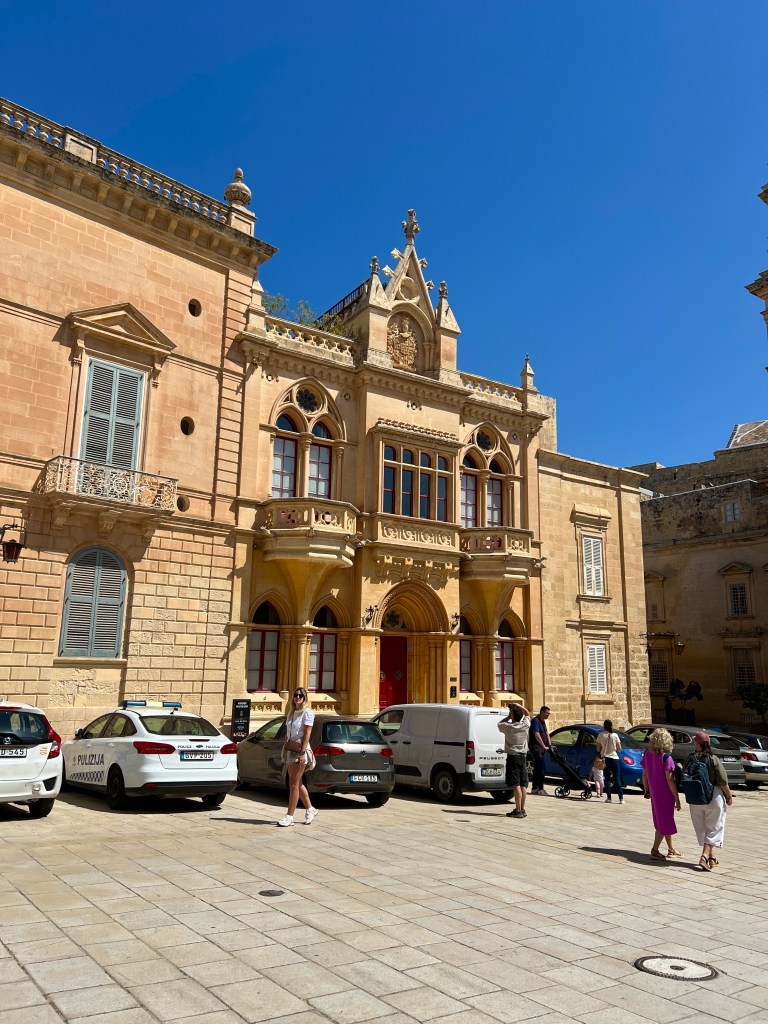
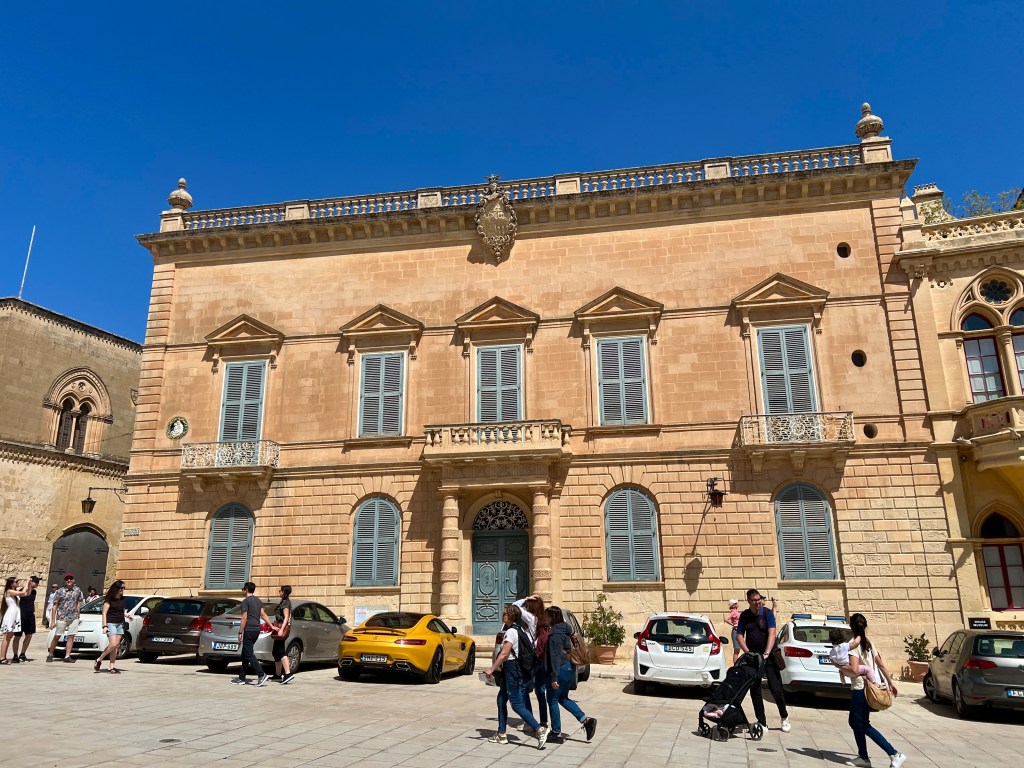
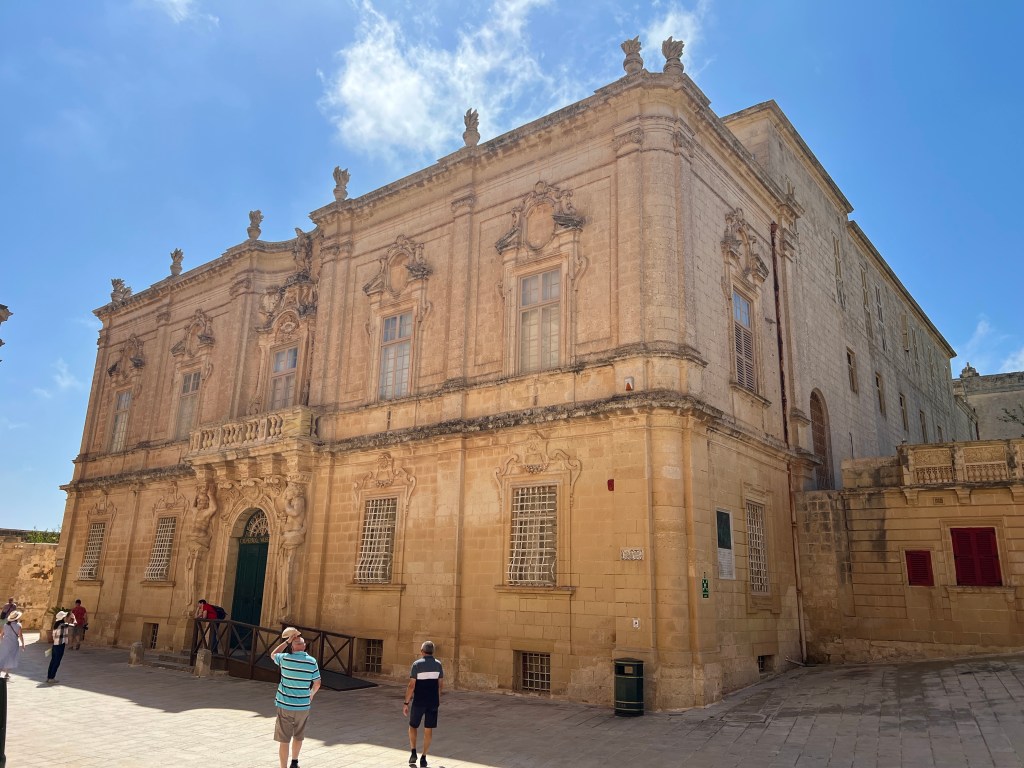
Down the picturesque Triq Villegaigon we went –
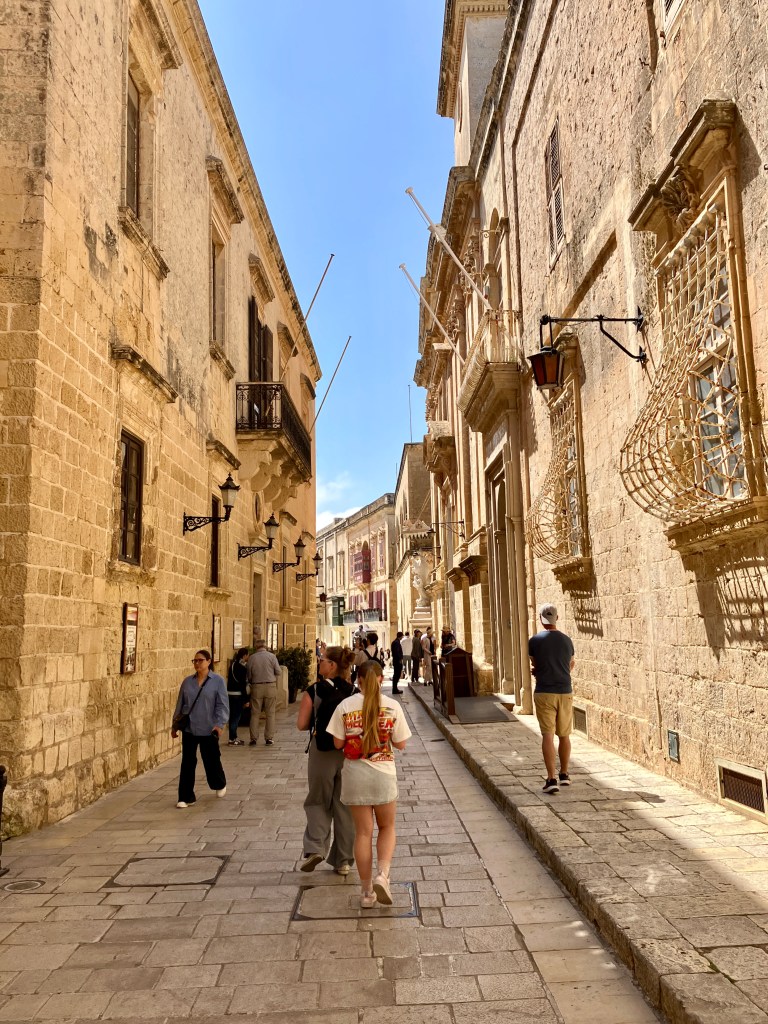
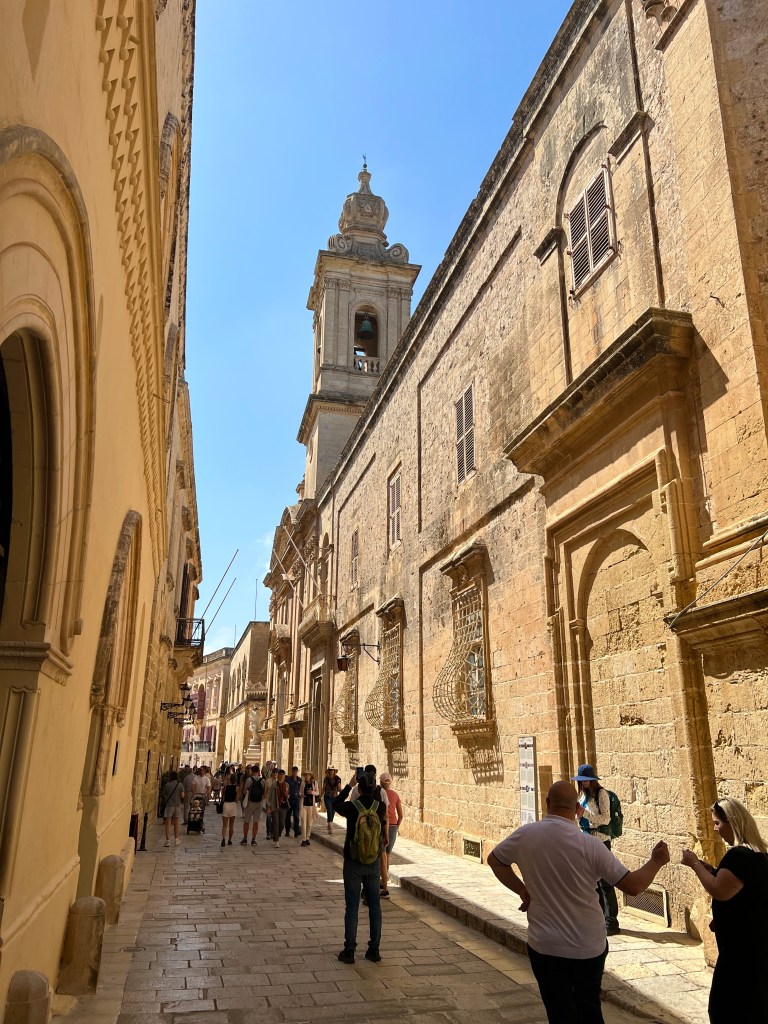
– as far as Bastion Square where we could climb a portion of the walls for great views.
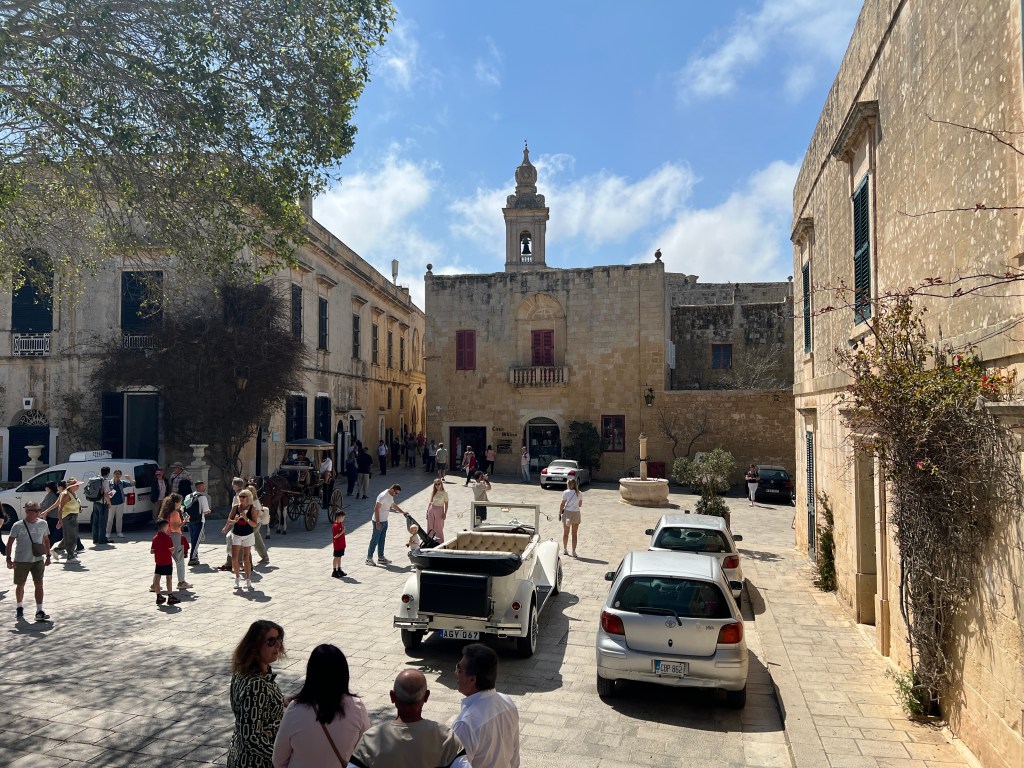
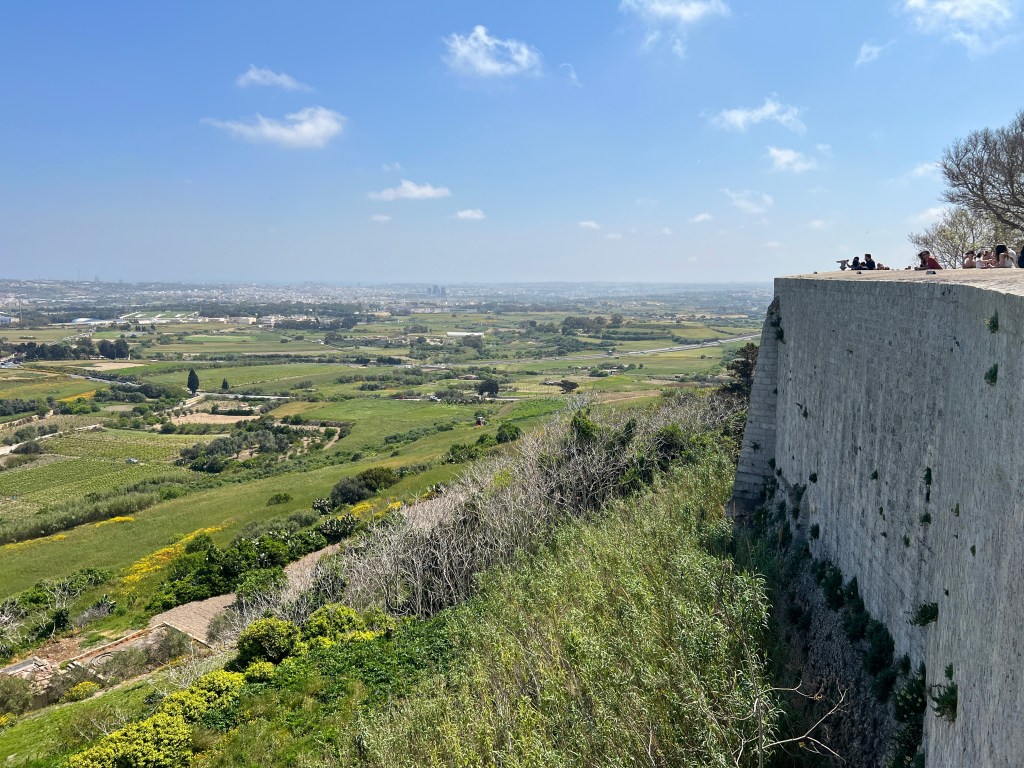
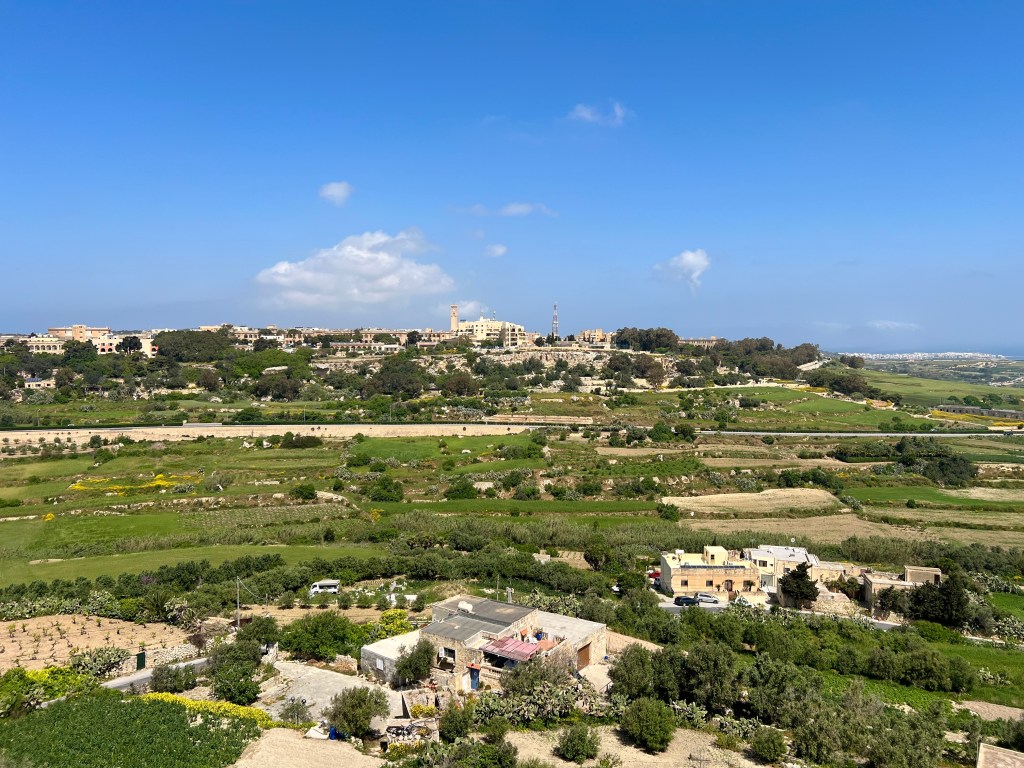
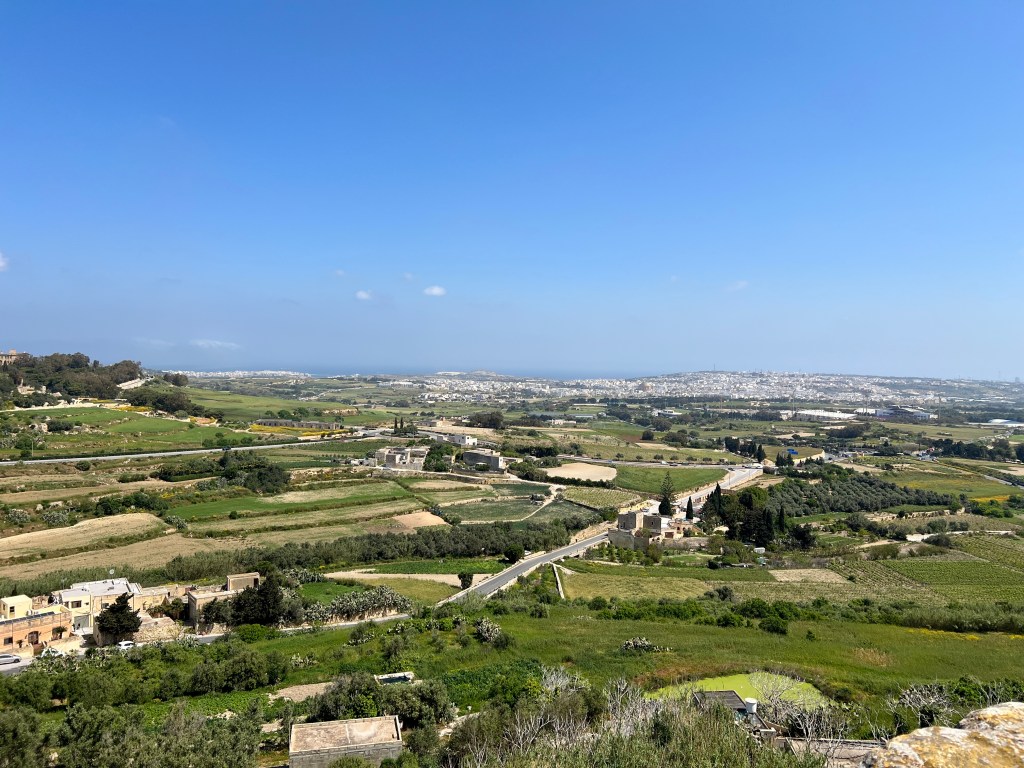
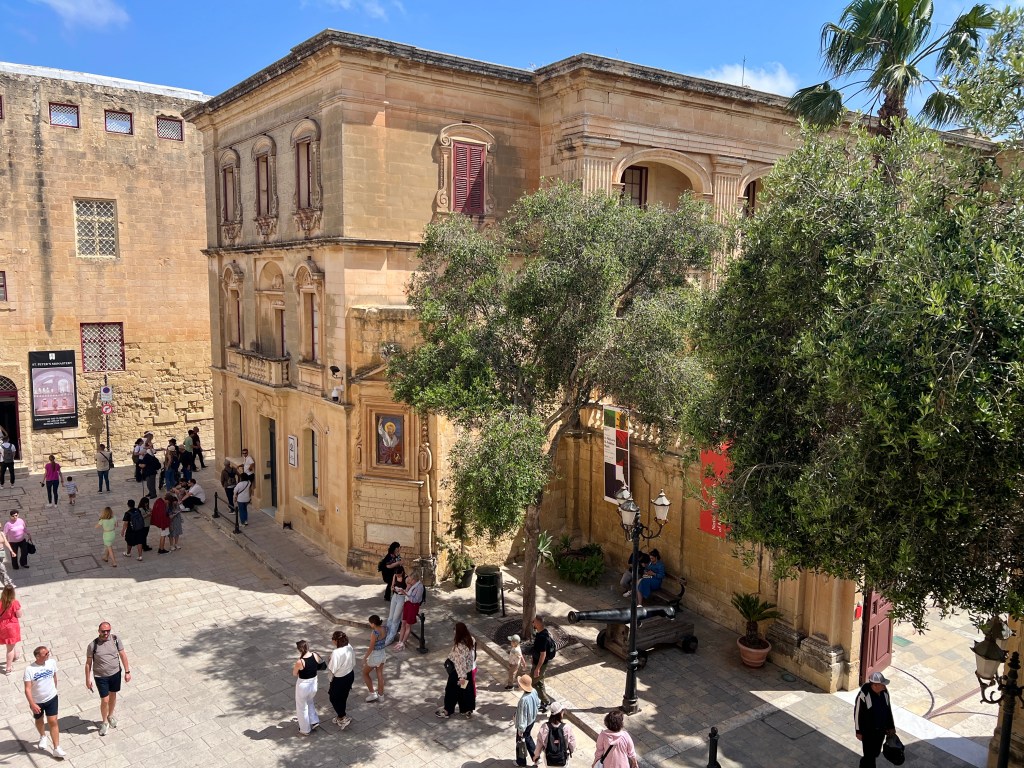
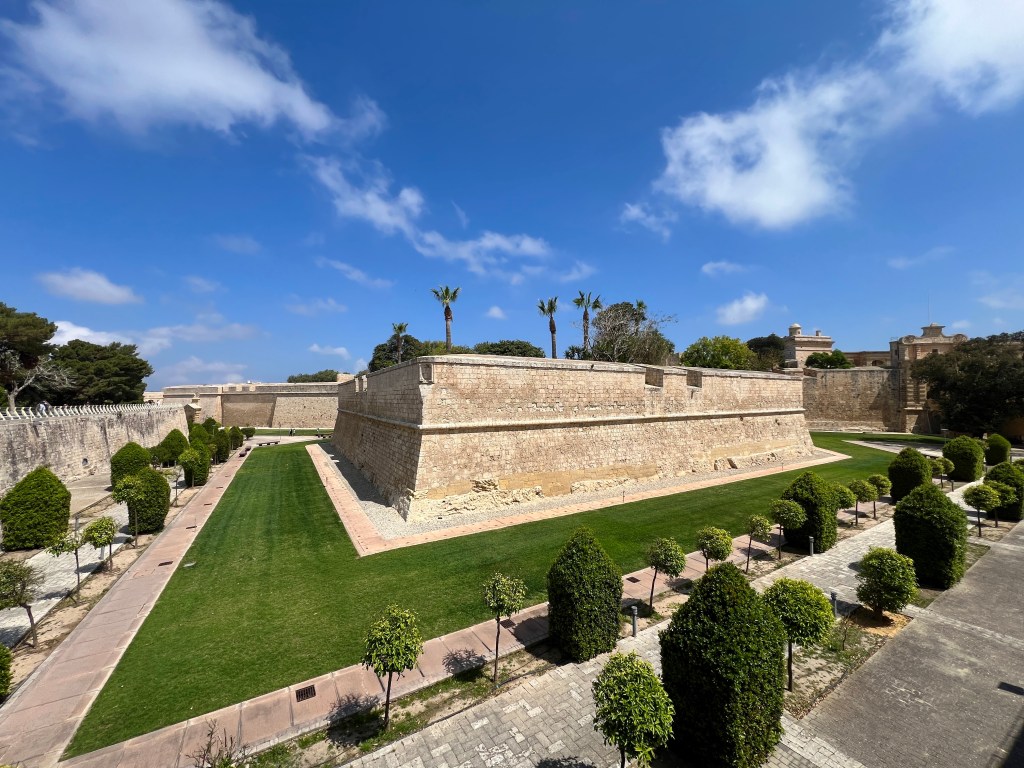
Retracing our steps to the main gate we climbed another small section of wall for final views over Pjazza San Publiju, and a close up of the gate carving, before leaving again via the stone bridge over the moat which was turned into a garden in 2015.
The more modern town next to Mdina, Rabat, sounded interesting too but rather than explore it we decided to continue further by bus to the coast at Dingli. The driver was very concerned that we were on the wrong bus and kept telling us Valletta was the other way!
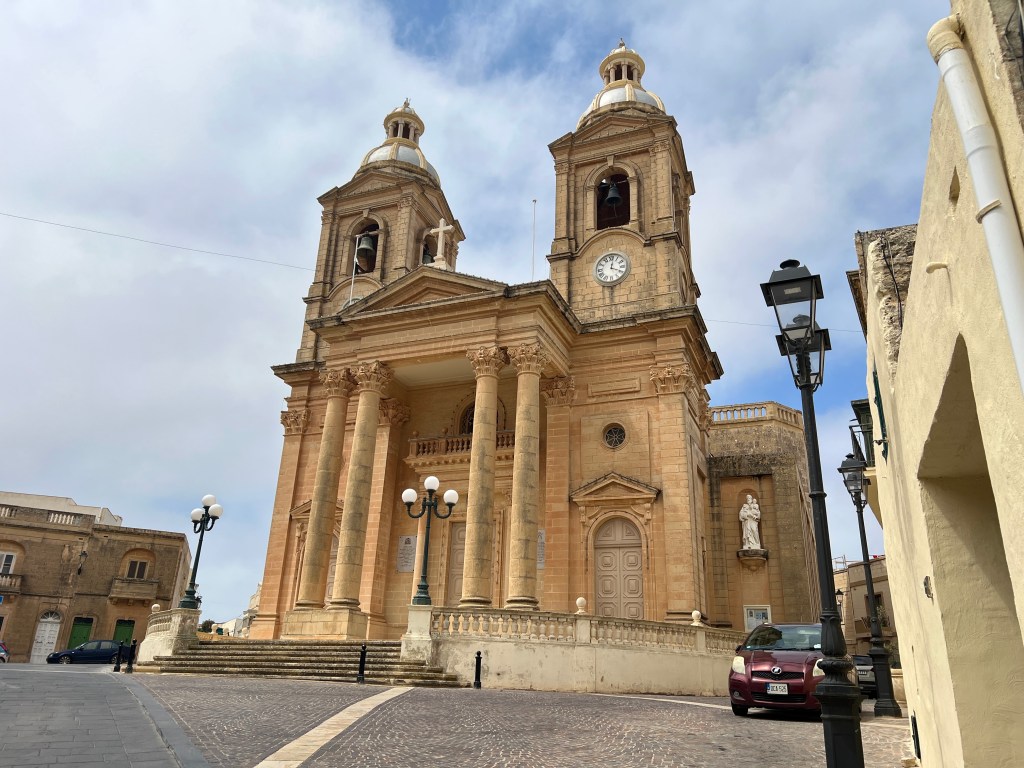
We got off near the parish church and walked to Dingli cliffs where the tiny 17th century chapel of St Mary Magdalene perches on the edge. There was also a suitable café for lunch!
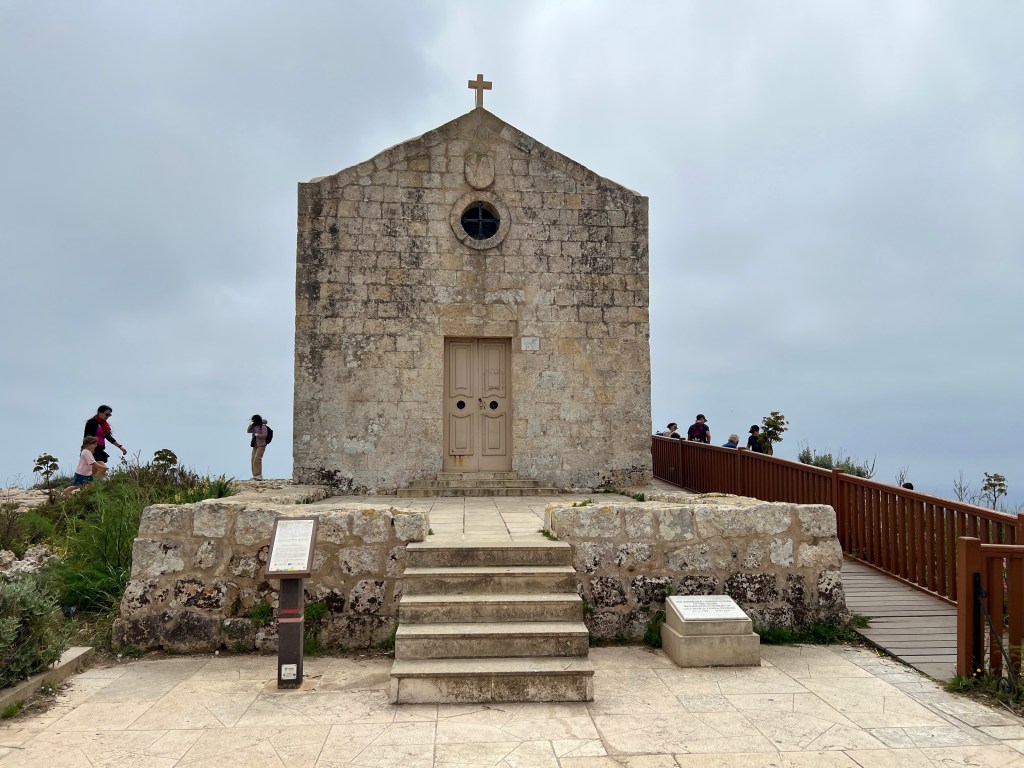
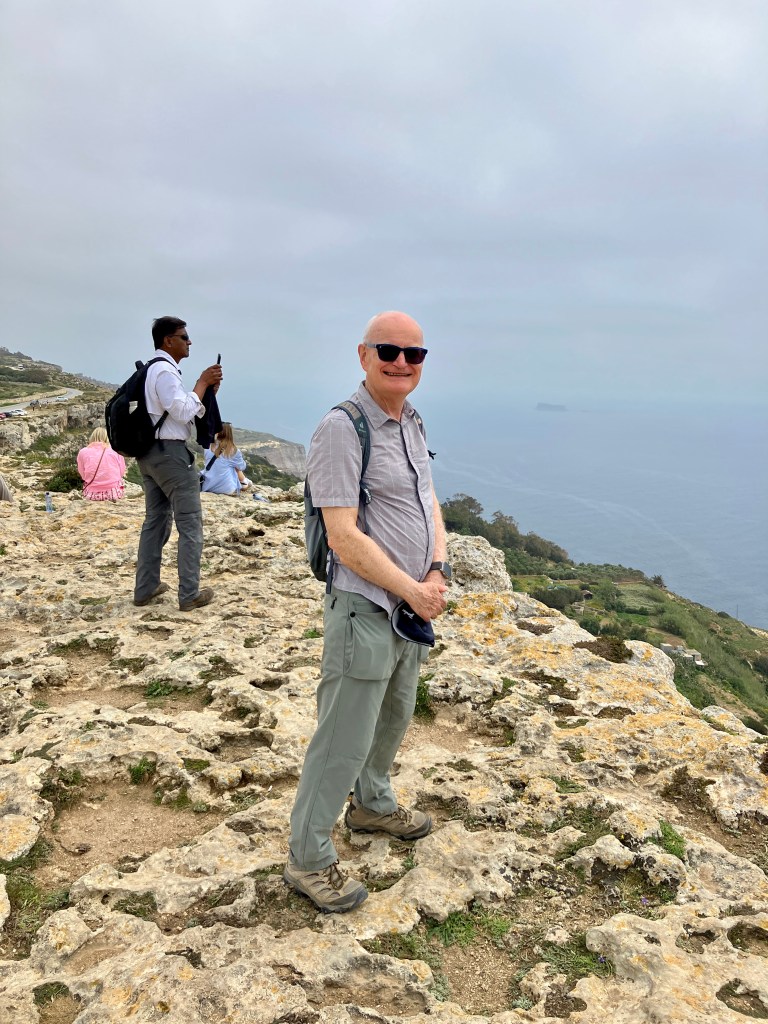
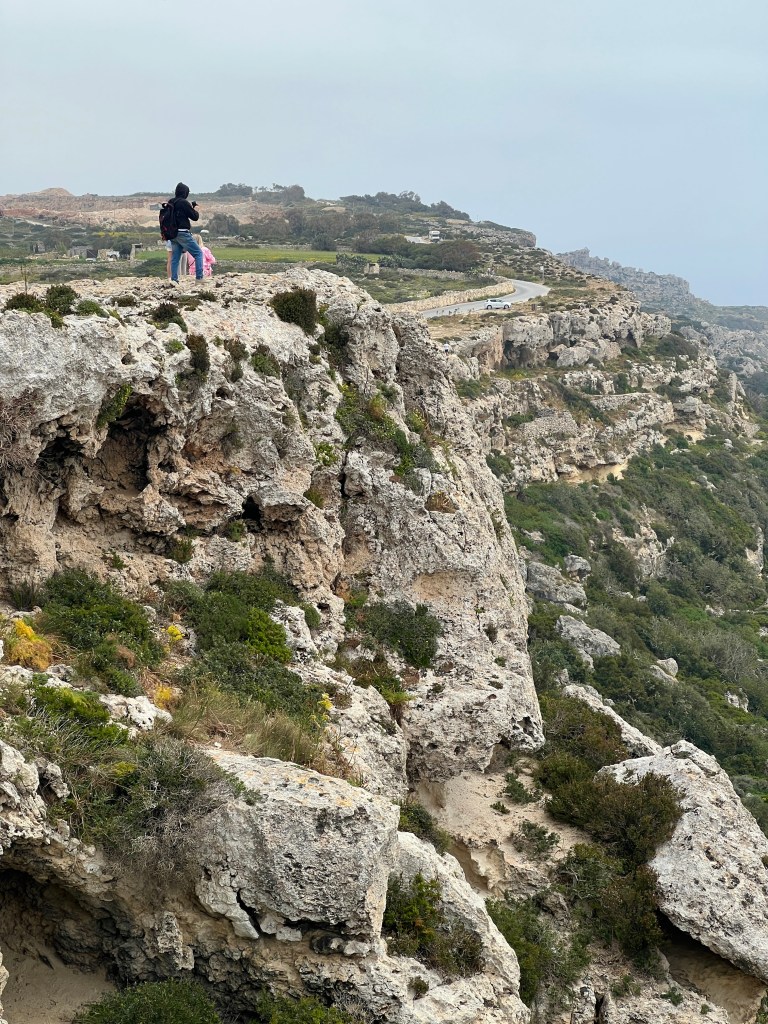
We walked along the cliffs for a short time but after our week in Gozo they didn’t seem that interesting, and it was quite hazy.
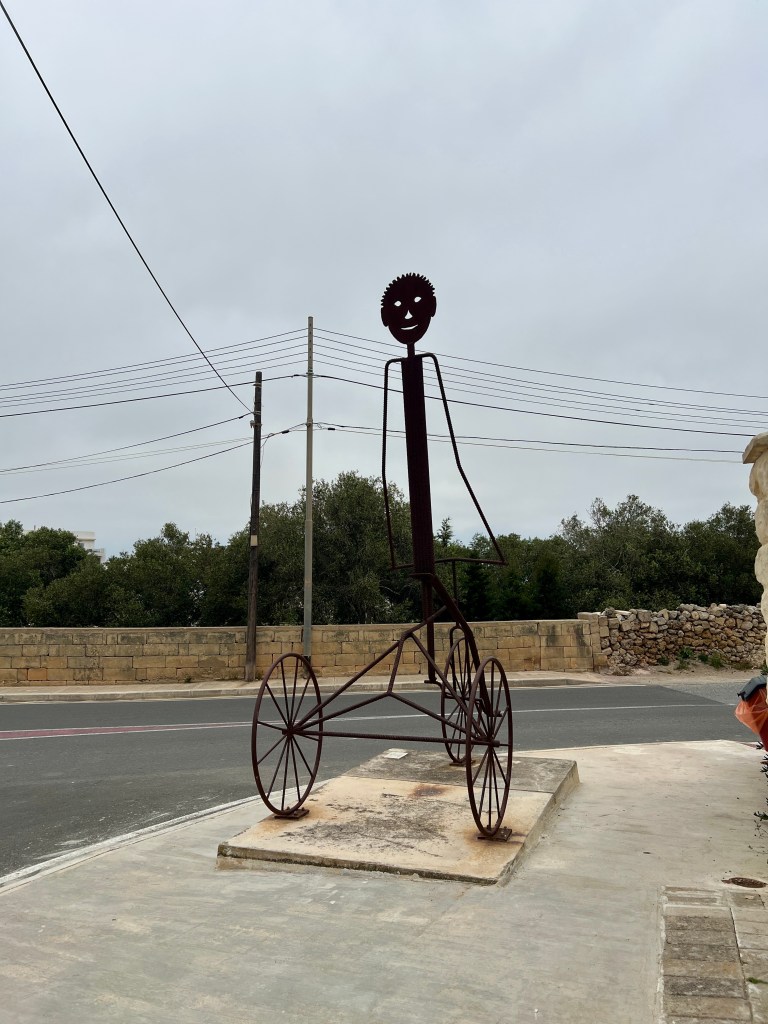
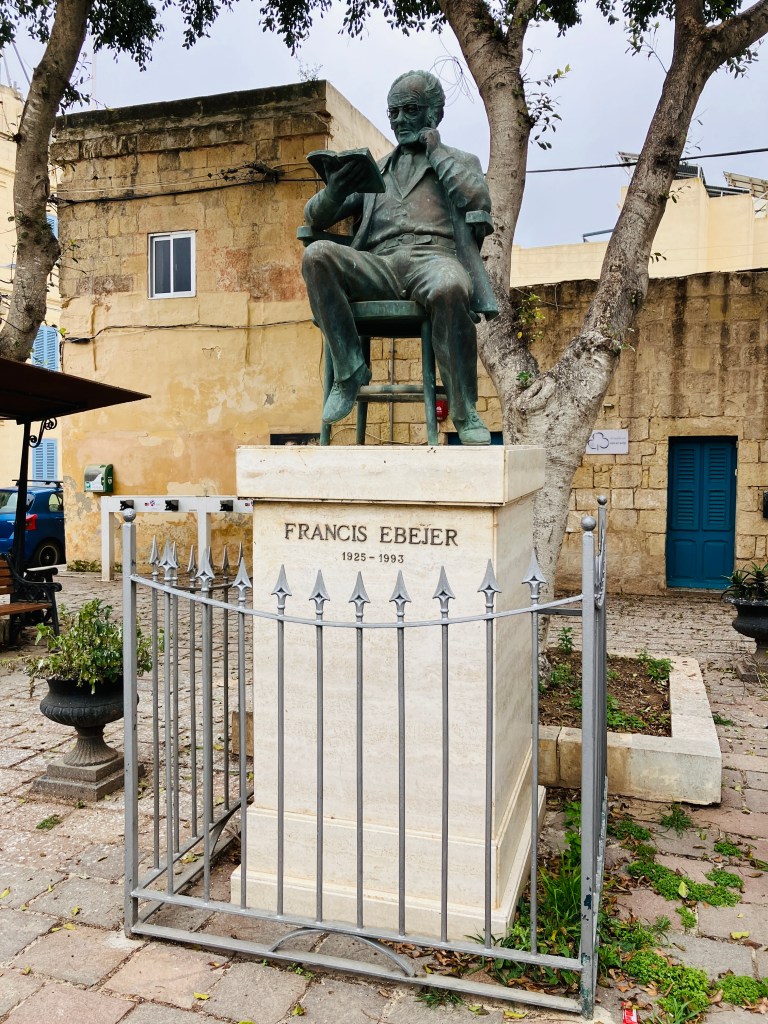
We wended our way back to the bus stop. John’s attention was grabbed by the strange cycling sculpture, whereas I was drawn to the statue of a man reading a book. He is Francis Ebejer (1925-1993), regarded as one of the most influential writers in Maltese history.
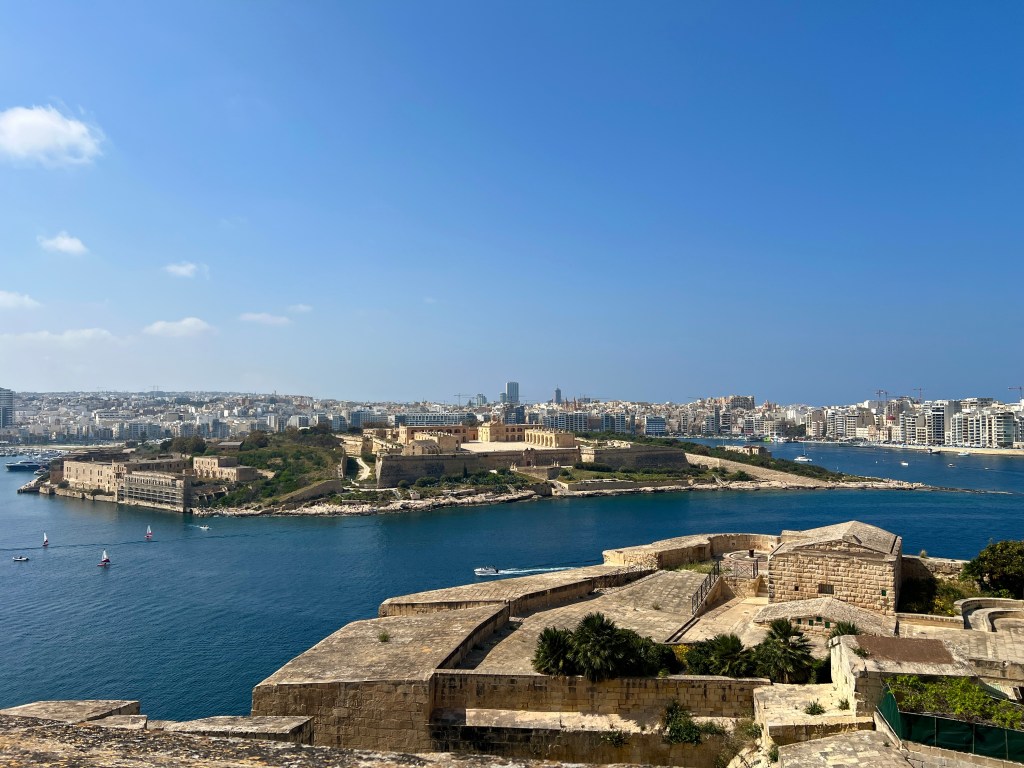
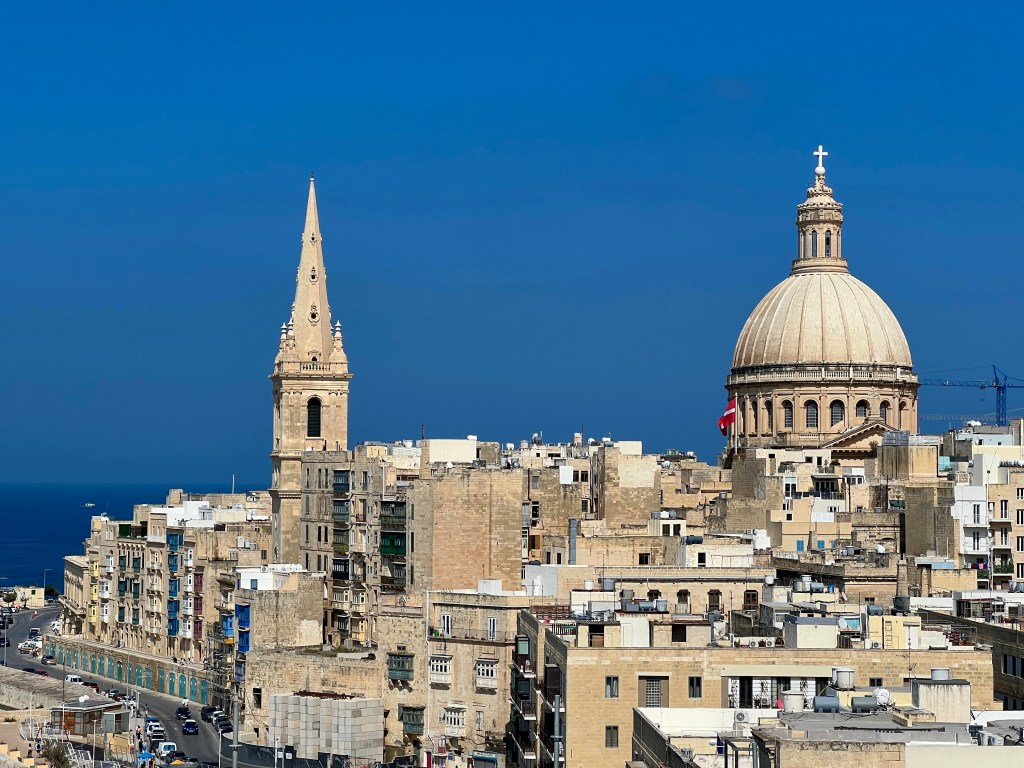
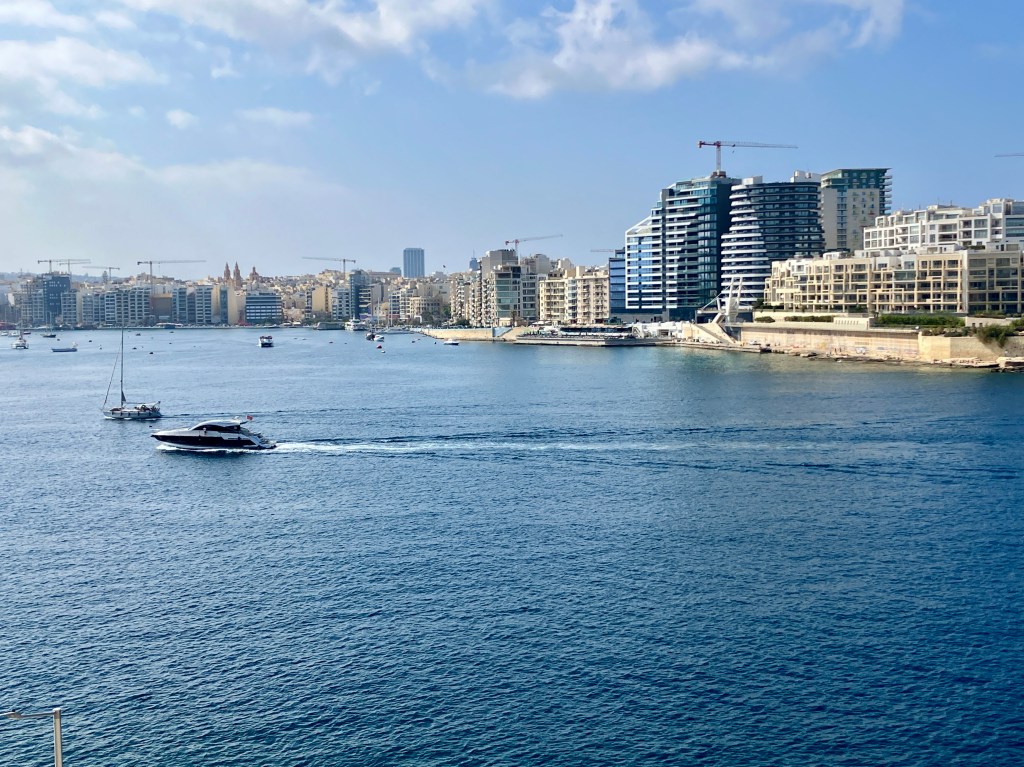
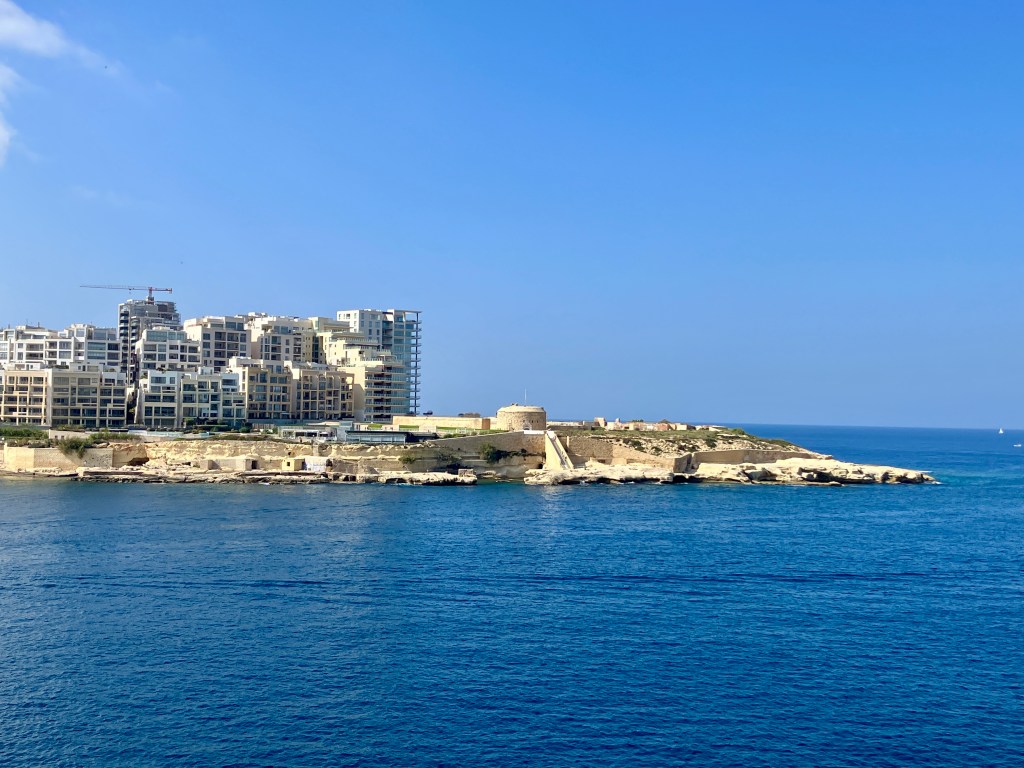
It was a good call getting the bus to Dingli, because when it got back to Mdina / Rabat the queues were enormous and we would probably have had to stand all the way to Valletta. My sprained ankle was still a problem so I was glad to avoid that, and it meant that I still had some energy for a final Valletta wander. We visited a little bit of the north coast which we hadn’t previously walked along, near where the ferry goes across to Sliema.
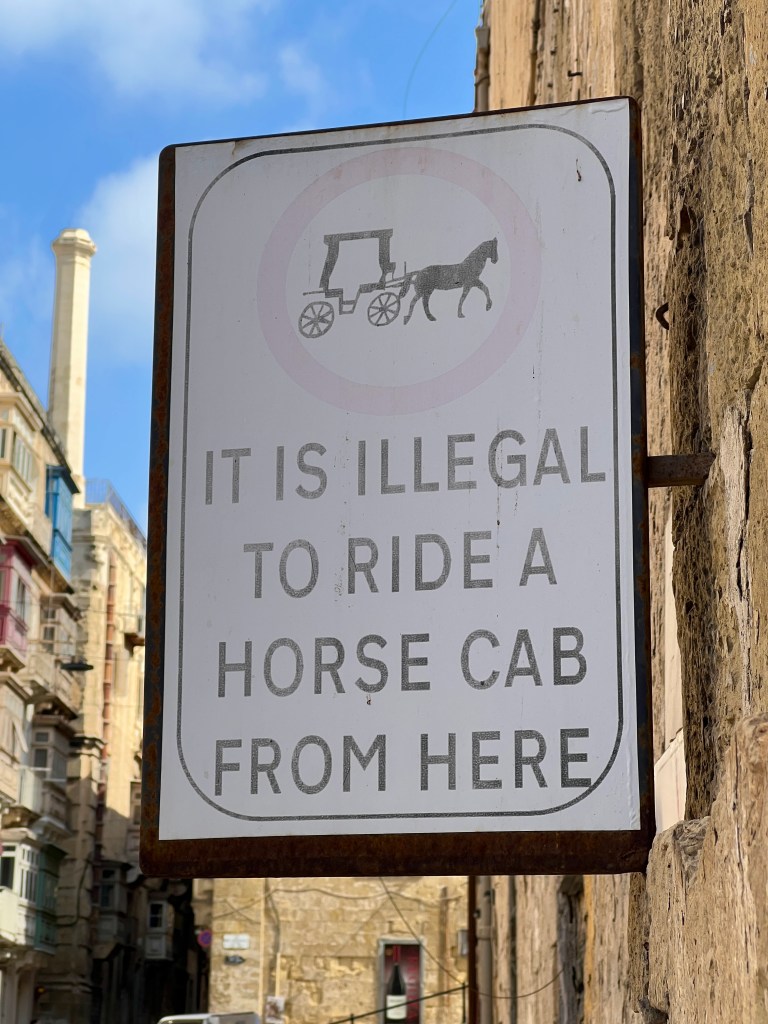
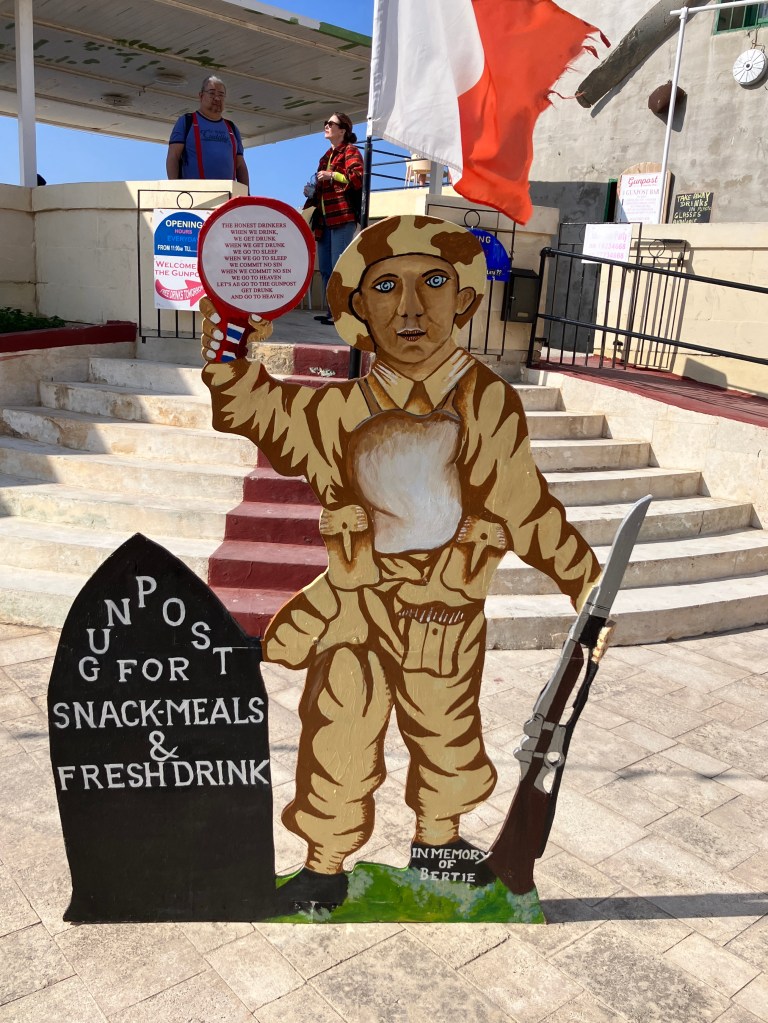
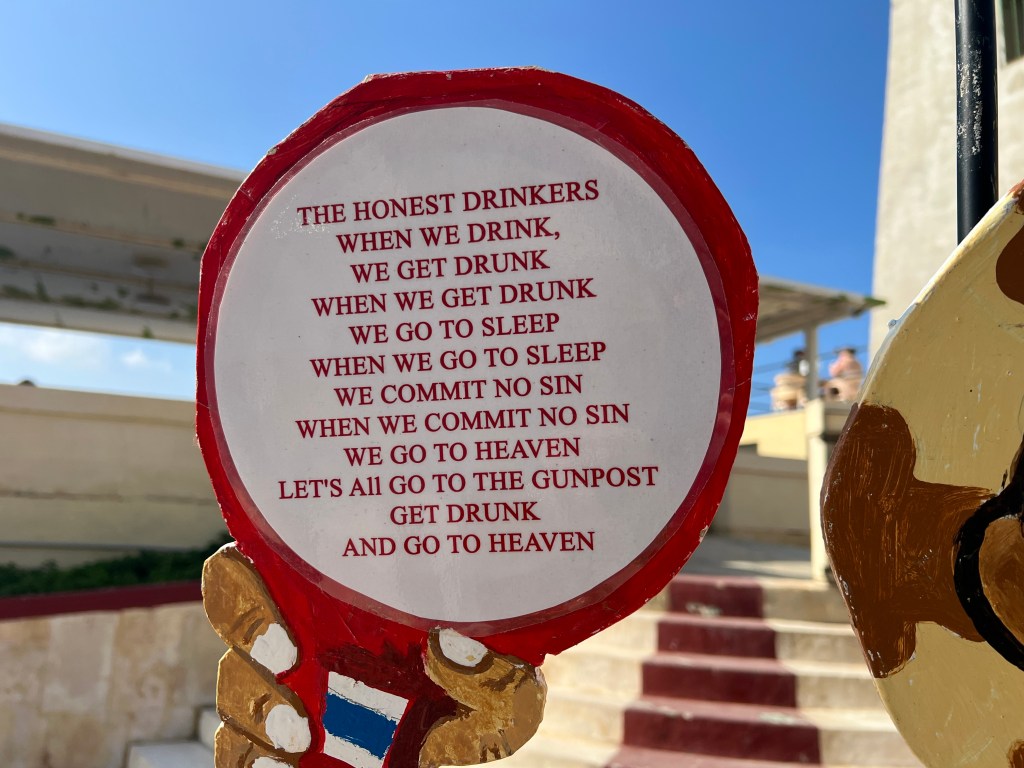
Finally, we spotted some entertaining signs – and, yes, the one at Gunpost did entice us in for a drink.
The next day we flew home having had a wonderful week-and-a-half in Malta. Would I recommend it? Yes! Would I go back? Yes to that too, although I probably wouldn’t spend a whole week in Gozo again because we explored it fairly thoroughly this time. However, I feel there is much more to see on the main island itself, both in Valletta and beyond. Another year!


It looks like a good last day of your holiday Anabel. I’ve never seen clear plastic? chairs in a church before but I suppose photography-wise it helps the view where banks of solid chairs would spoil it somewhat. Back in the late 70s I had a penfriend who lived in Rabat, we wrote for several years before life got in the way. The Gunpost sign made me laugh, it reminds me of the Irish logic saying which I posted on my blog several years ago. So are you going to heaven or did you stay sober? 😀
LikeLike