
Looking back on Donegal
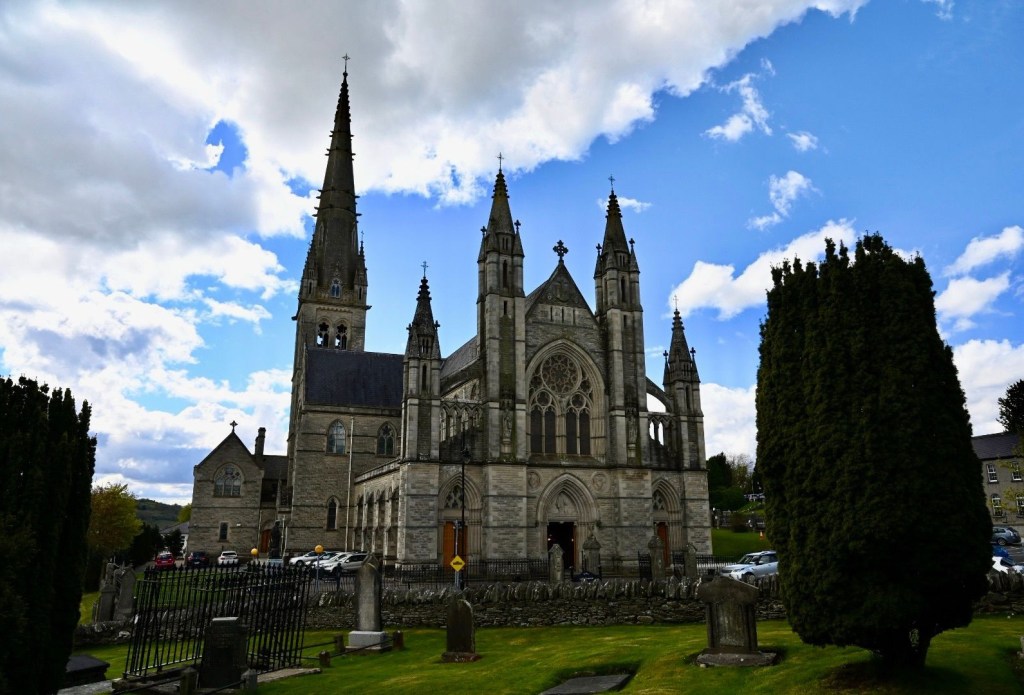
A while ago, April / May 2024 to be precise, we visited both Northern Ireland and Donegal in the Republic of Ireland. I wrote about the former soon after we came home but never got round to documenting our week in Donegal. Because I’m up to date for the first time in ages, I thought I would go back to fill in that gap.
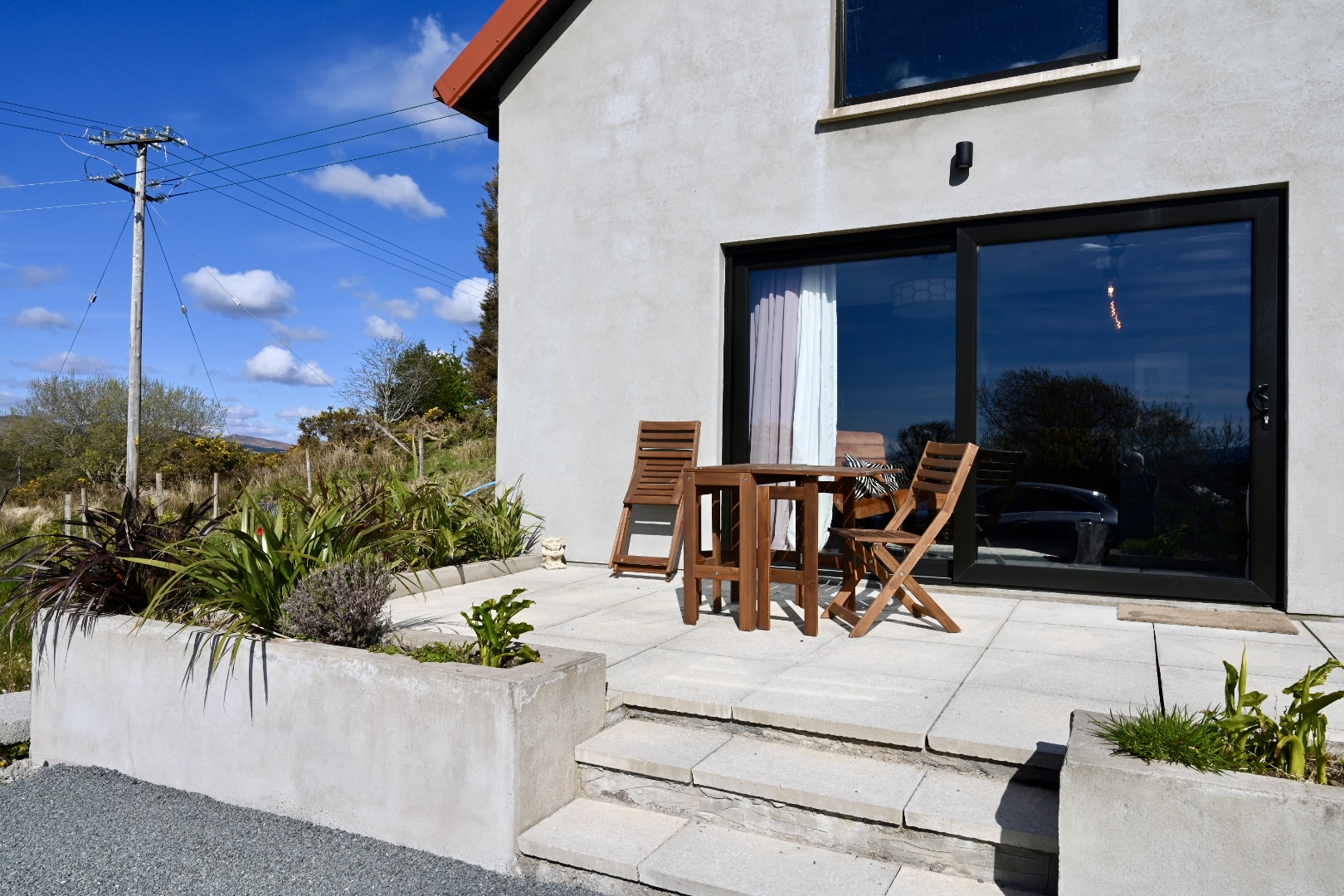
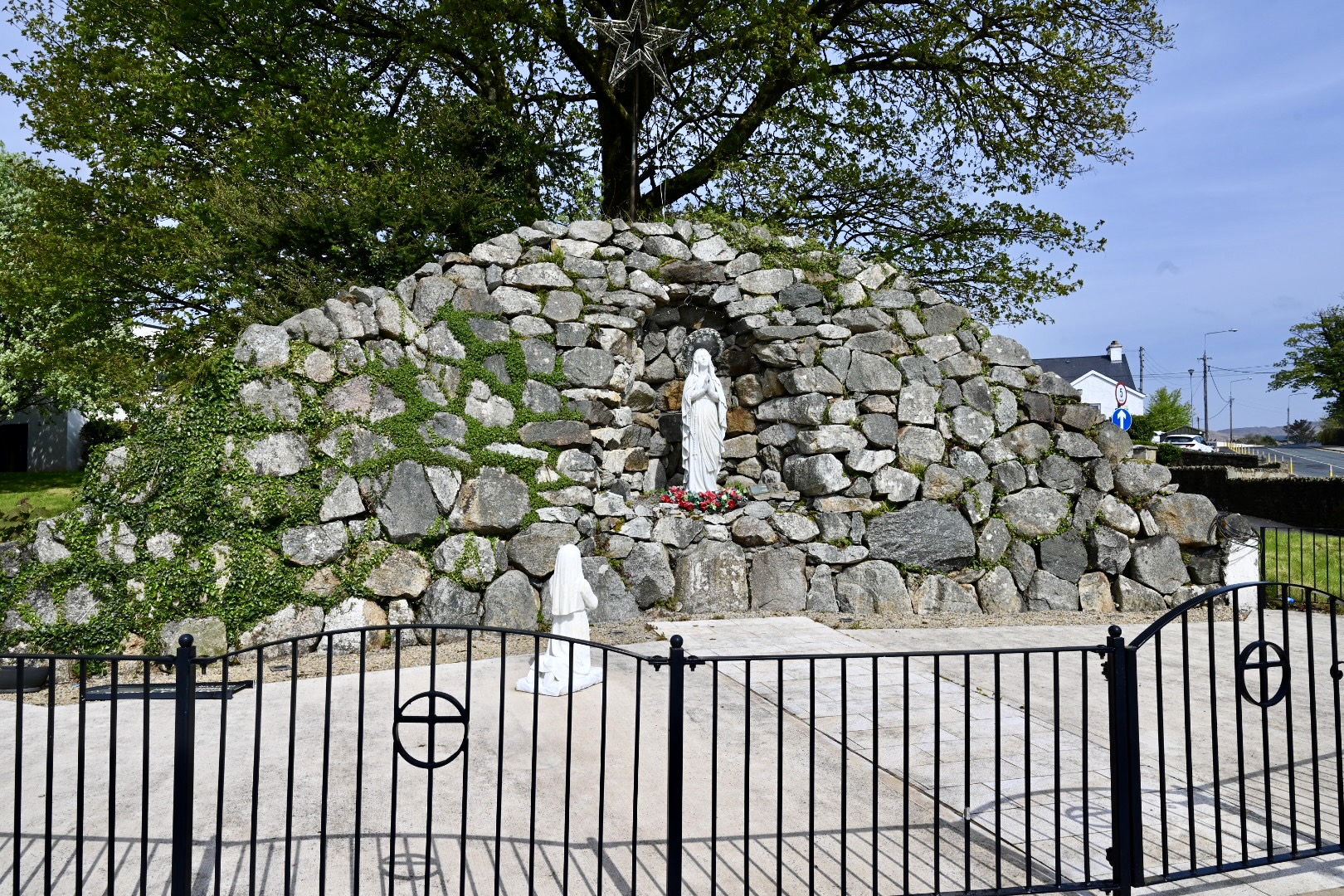
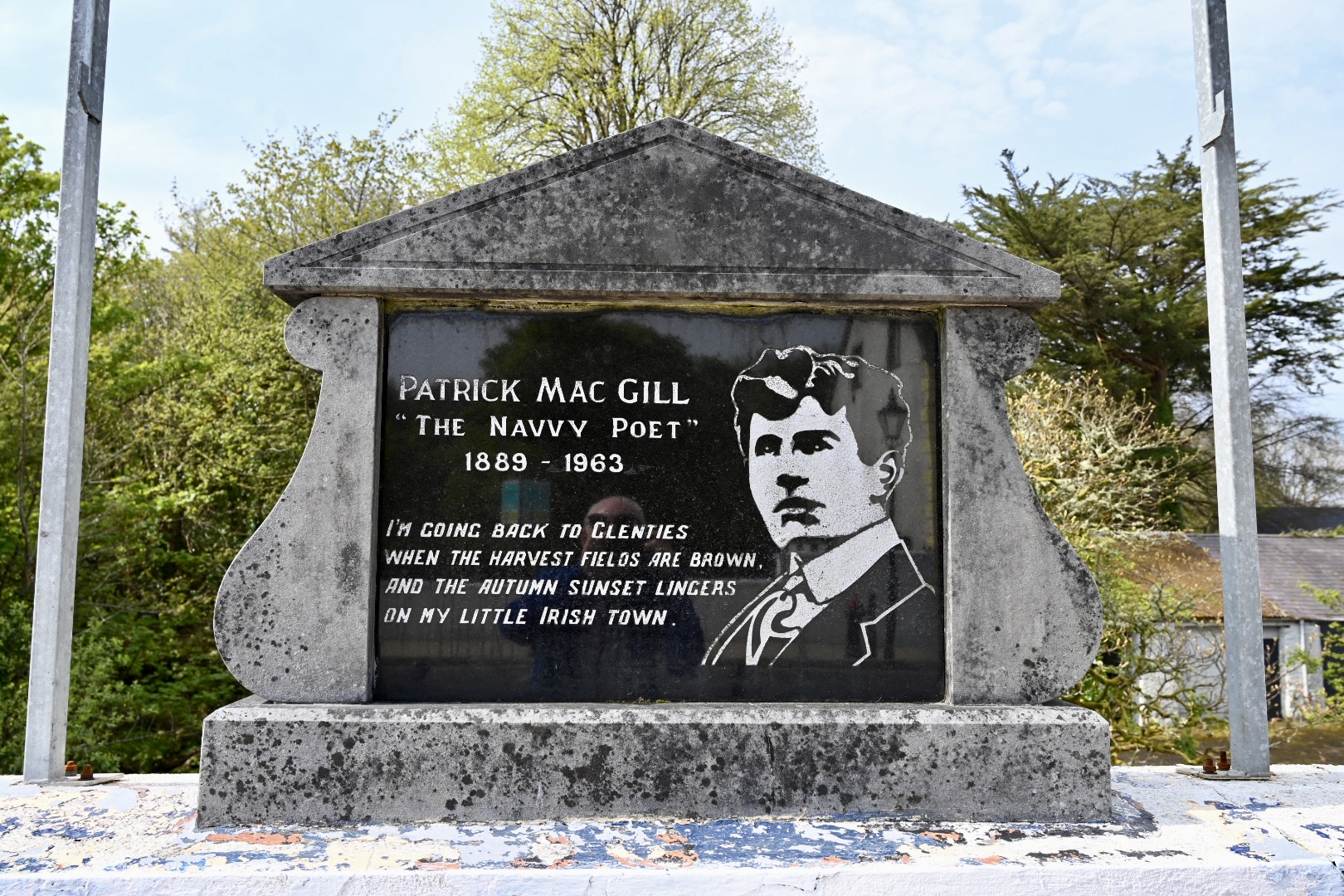
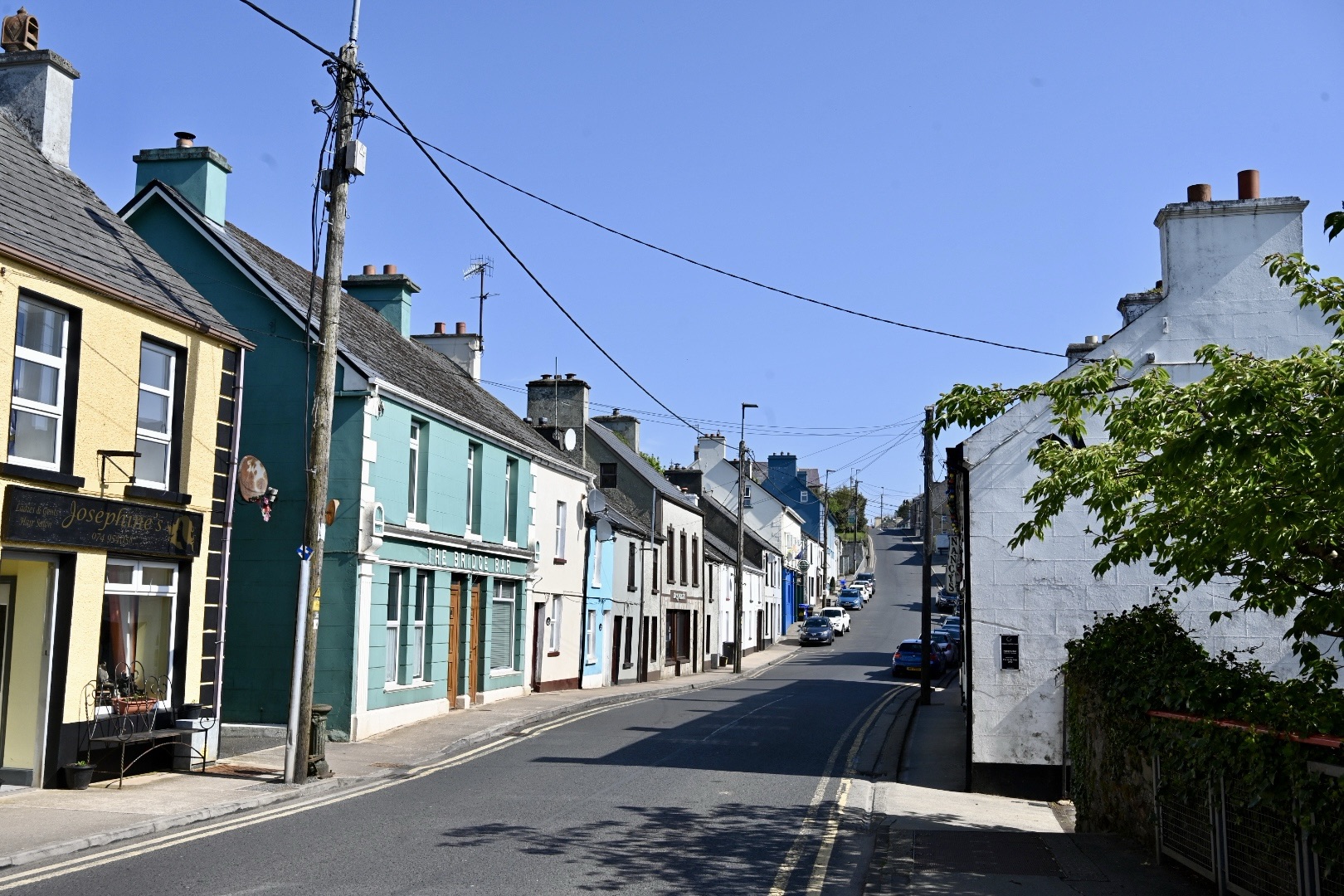
We travelled from our hotel in Derry to a cottage near the small town of Glenties stopping in Letterkenny (above) on the way. Here is the front terrace of our cottage and a couple of memorials in the town. From Glenties we visited multiple places.
Donegal (town)
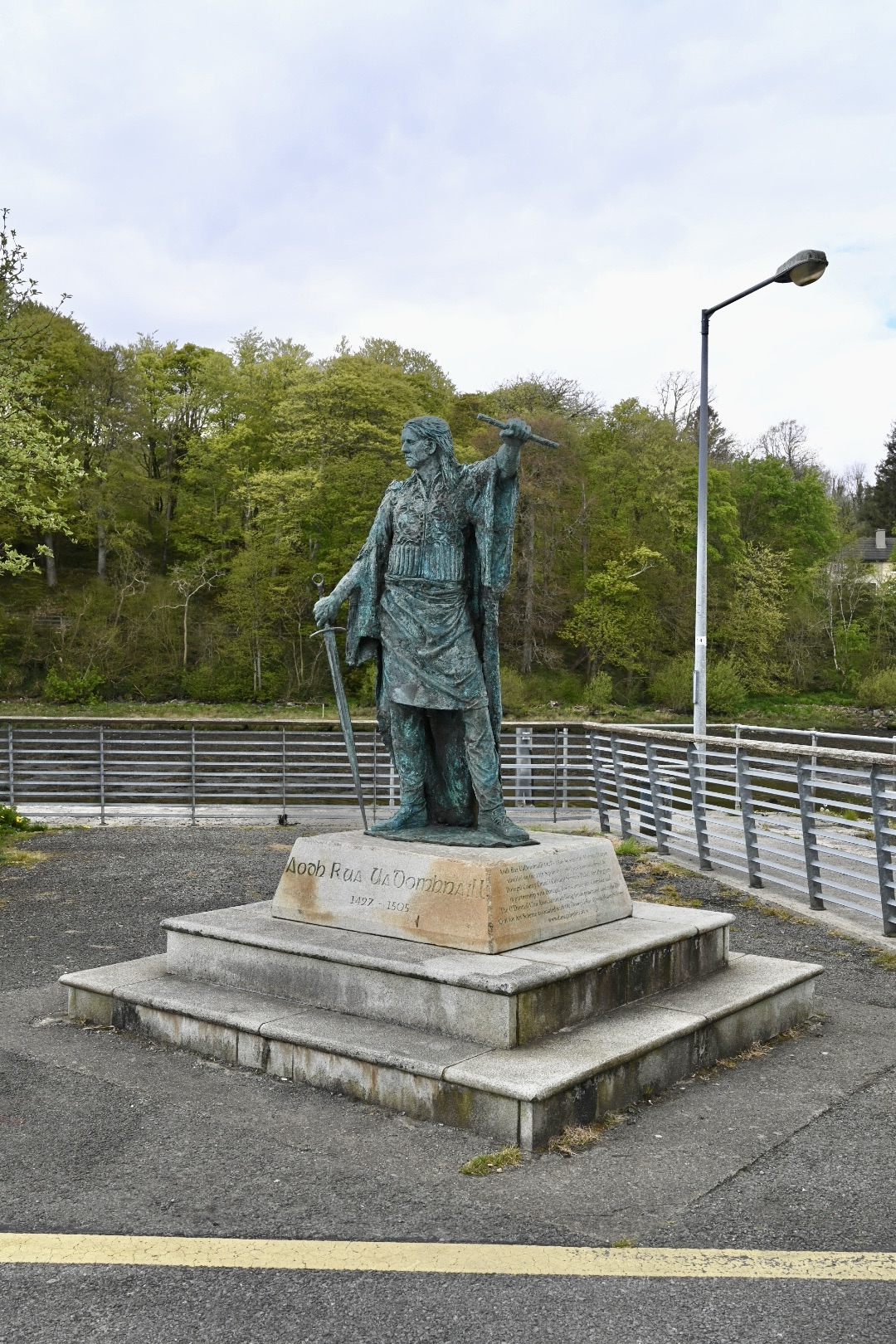
Donegal is an attractive town with a castle and a Franciscan abbey, both built in 1474 by Red Hugh O’Donnell whose statue stands nearby. The abbey graveyard is beautifully situated looking out over Donegal Bay.
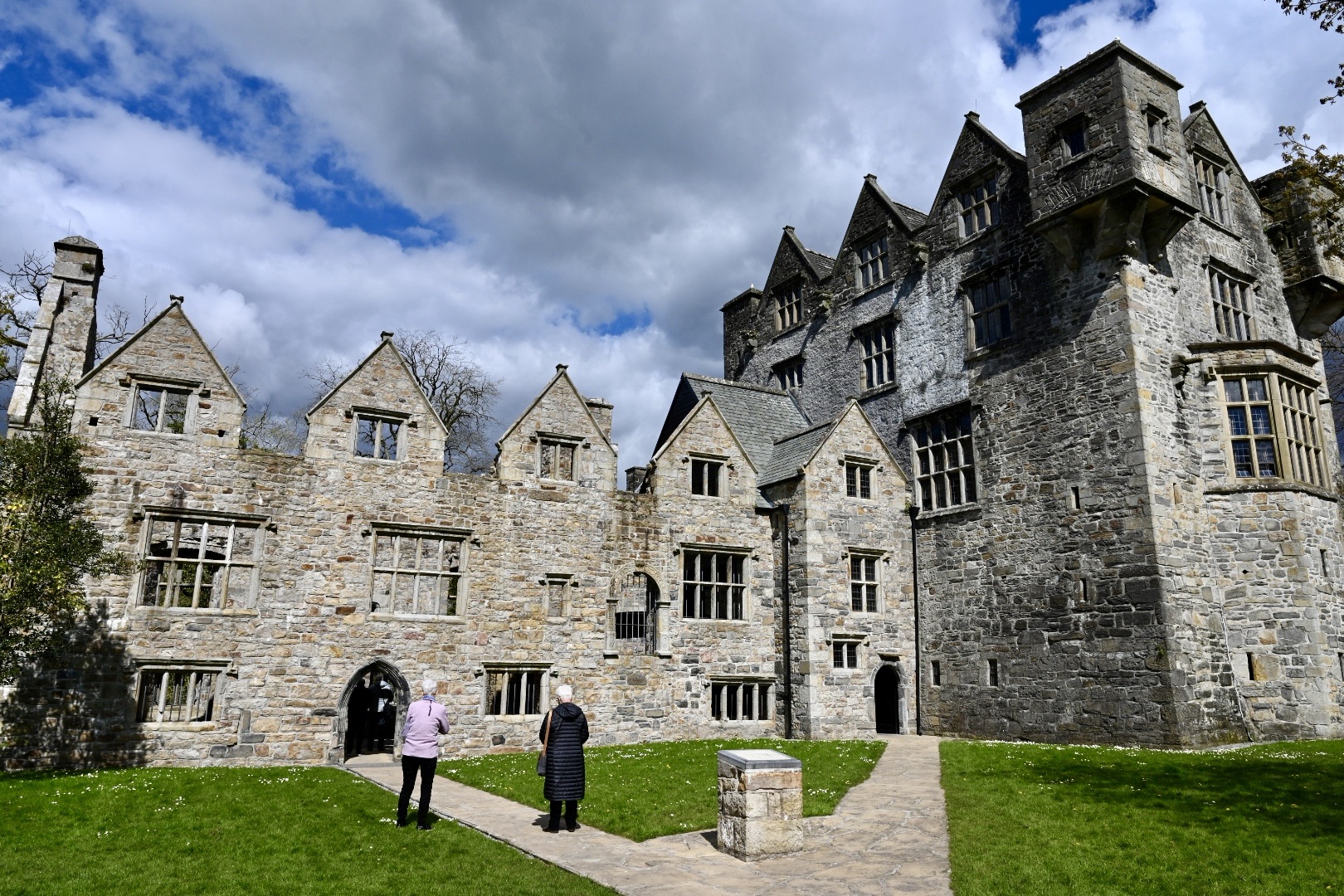
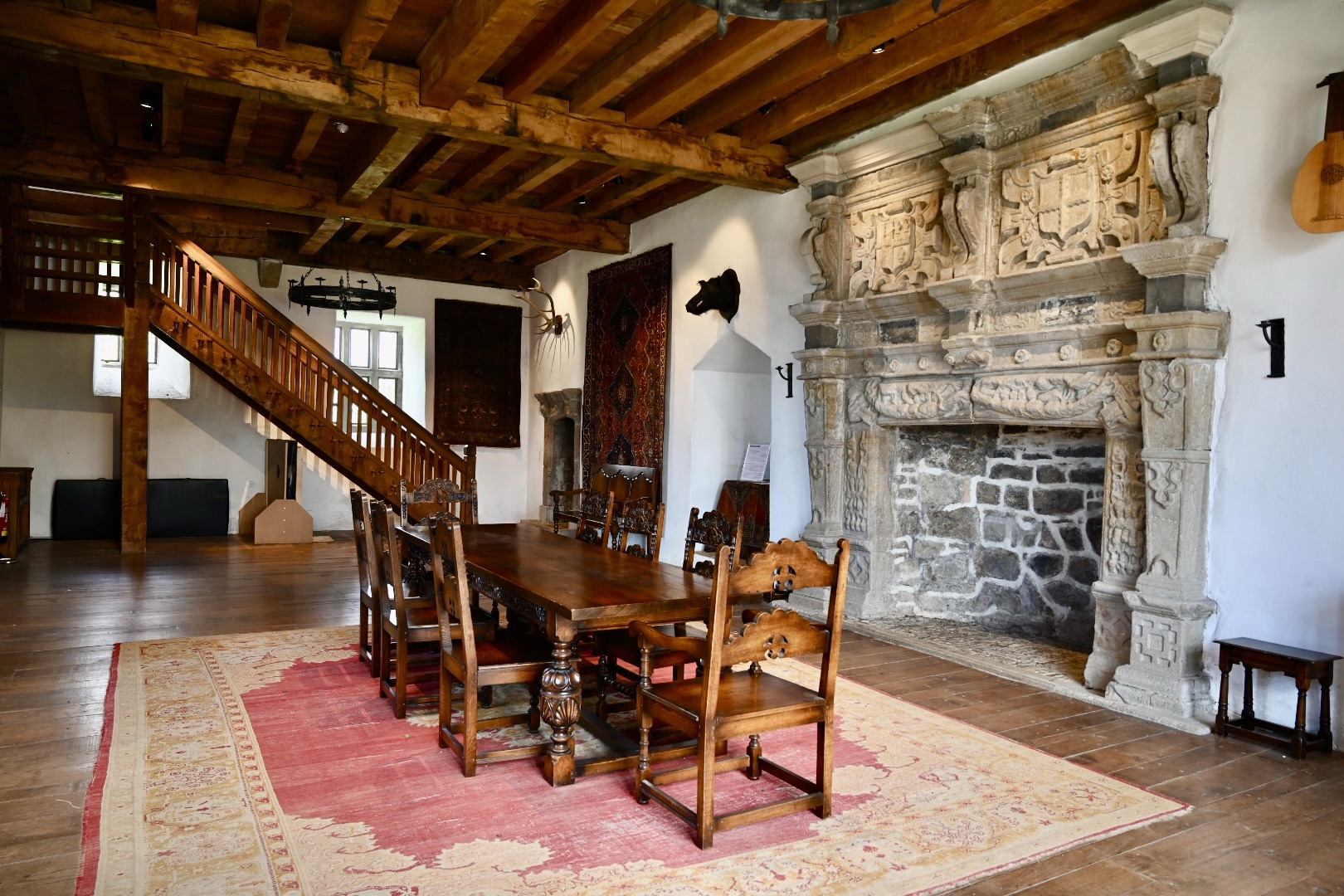
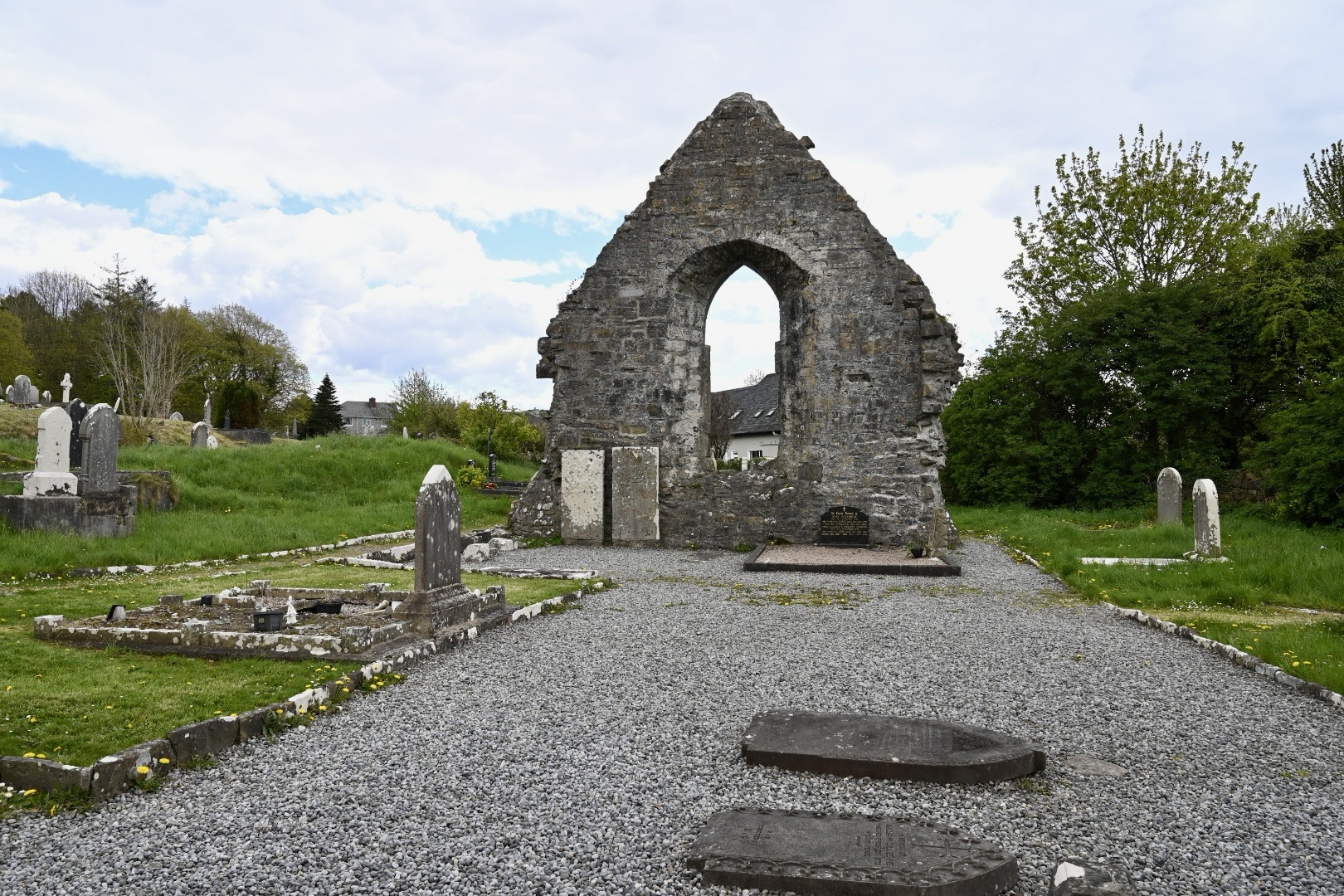
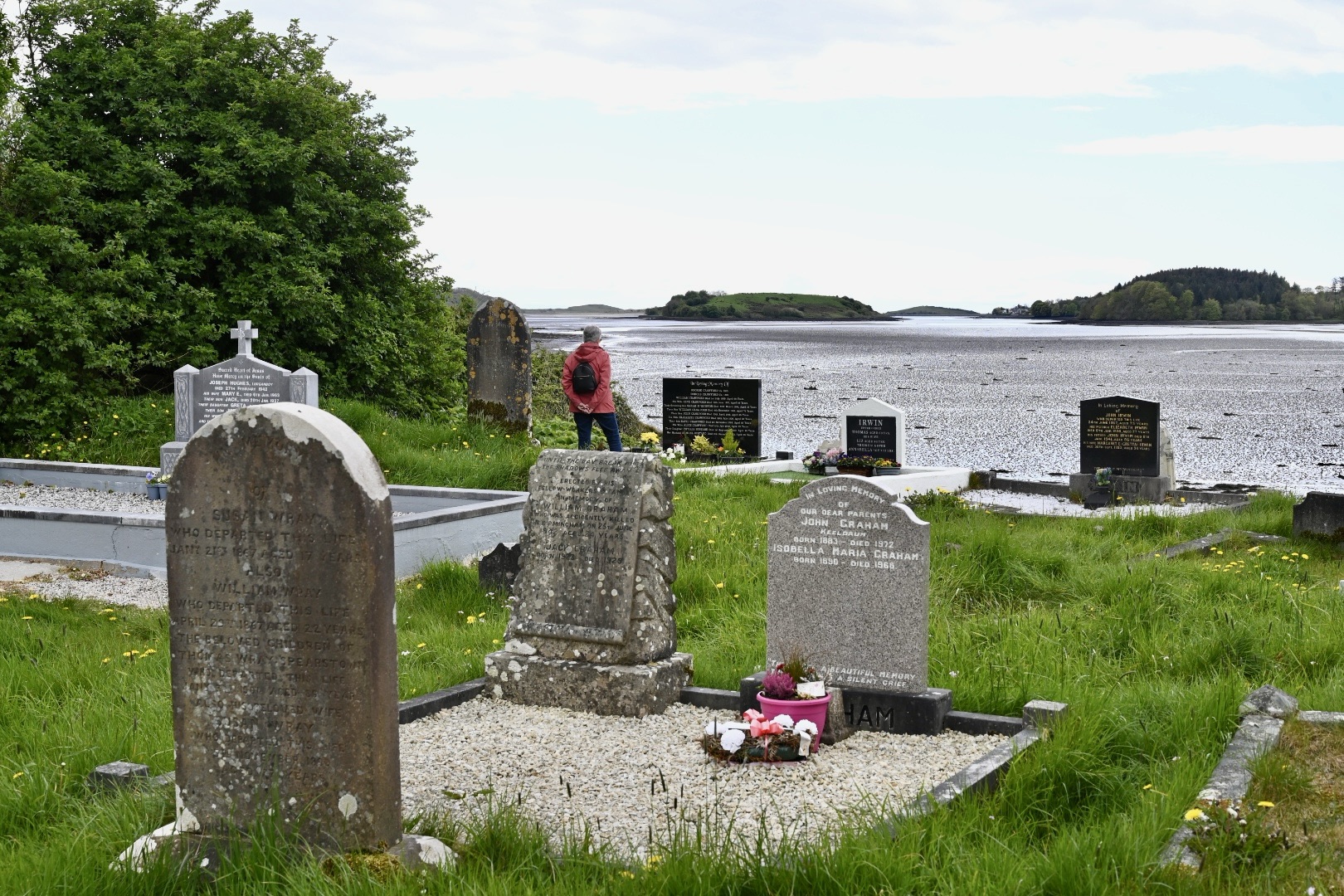
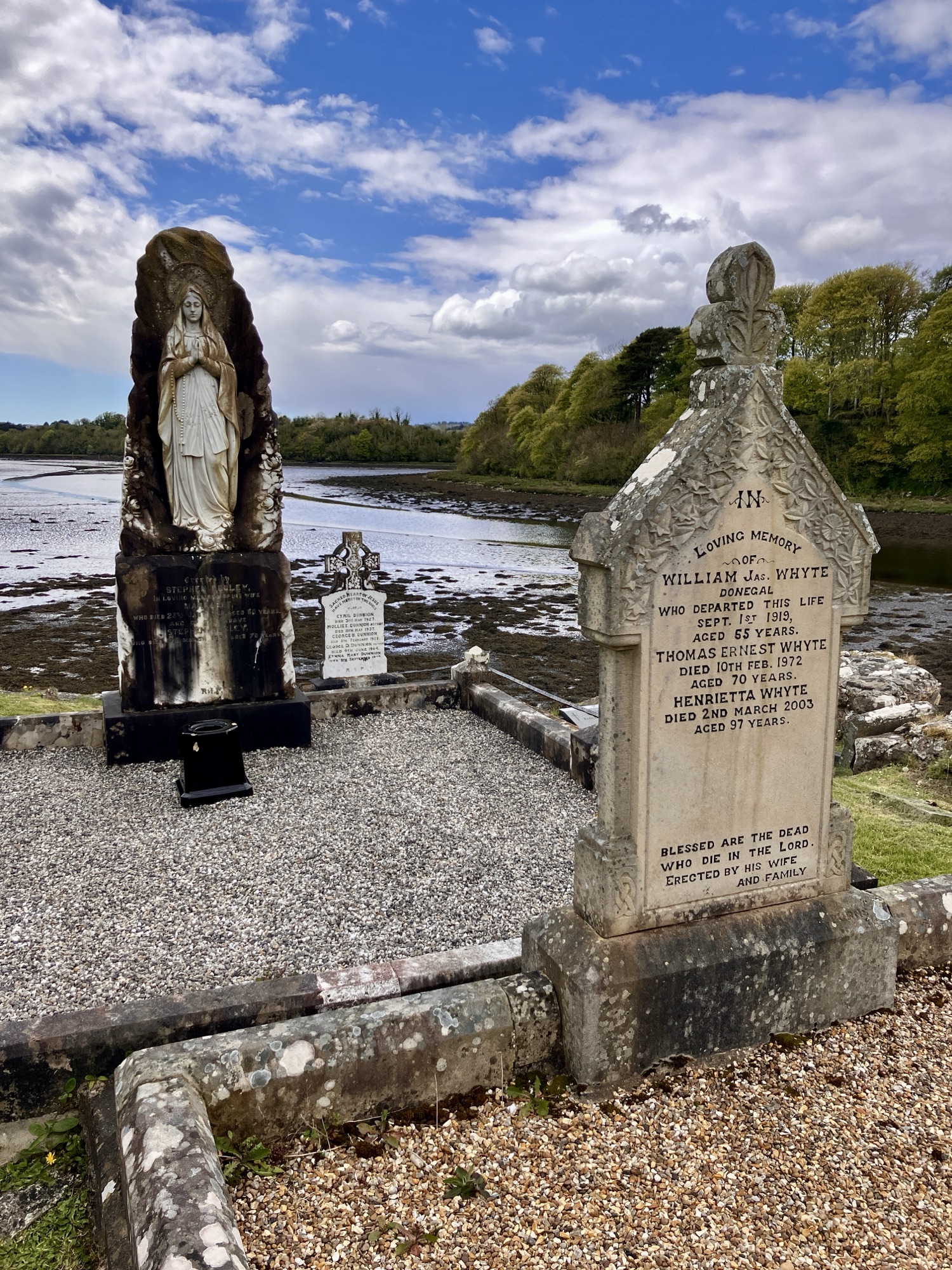
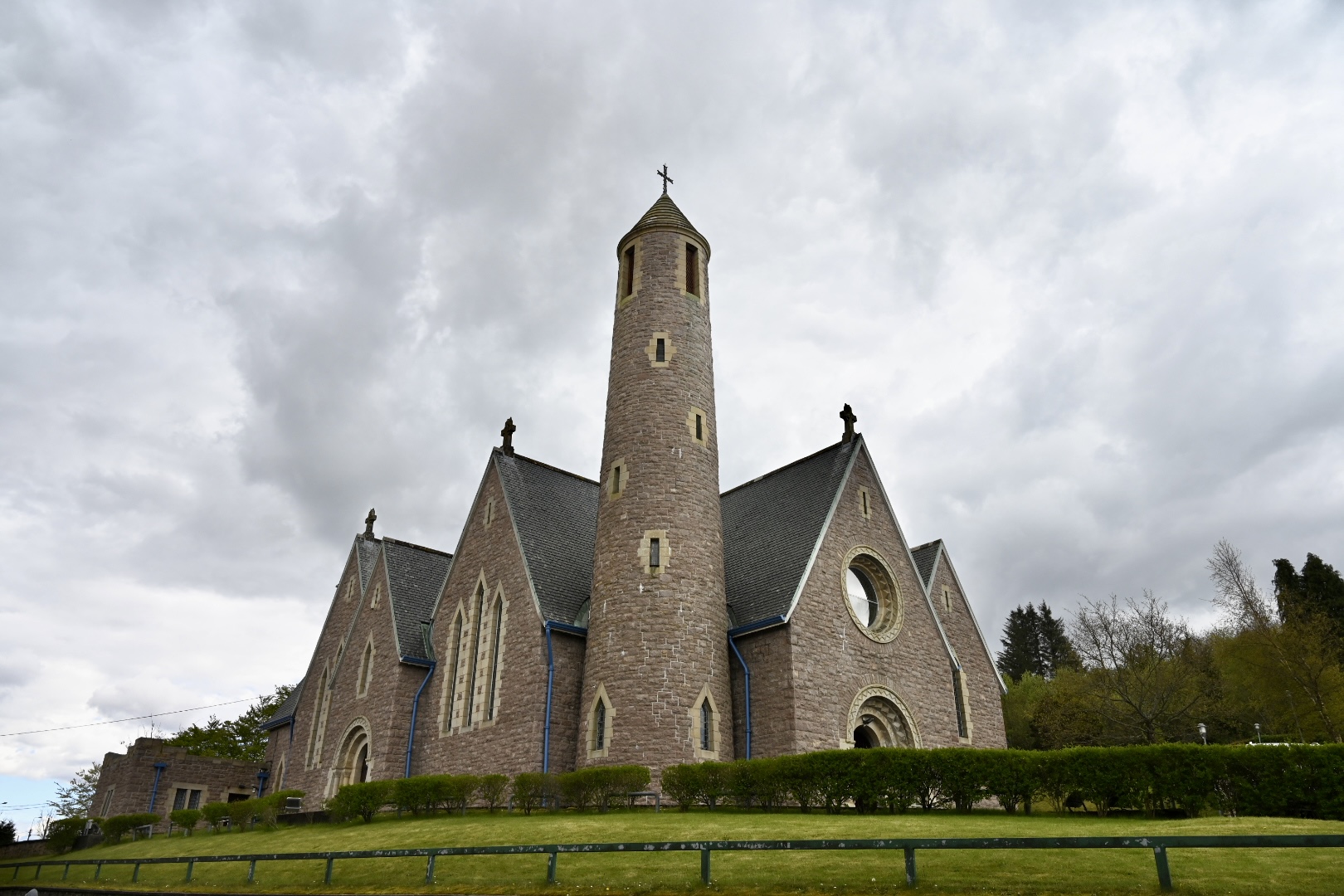
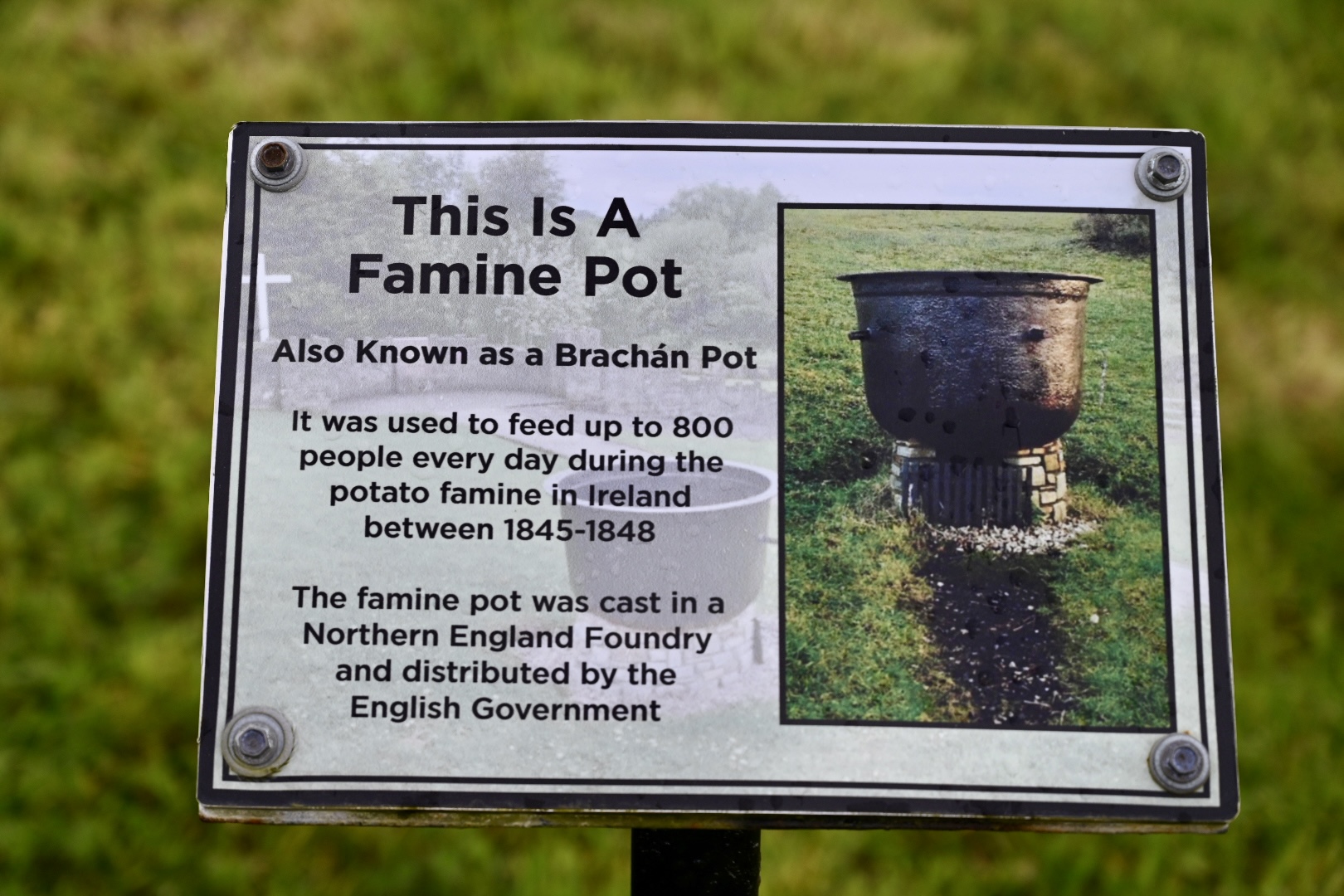
Elsewhere in town, at the Paupers Graveyard near St Patrick’s Church (1935), we found a Famine Pot and memorials to those who died in both the Famine and the Easter Rising of 1916.
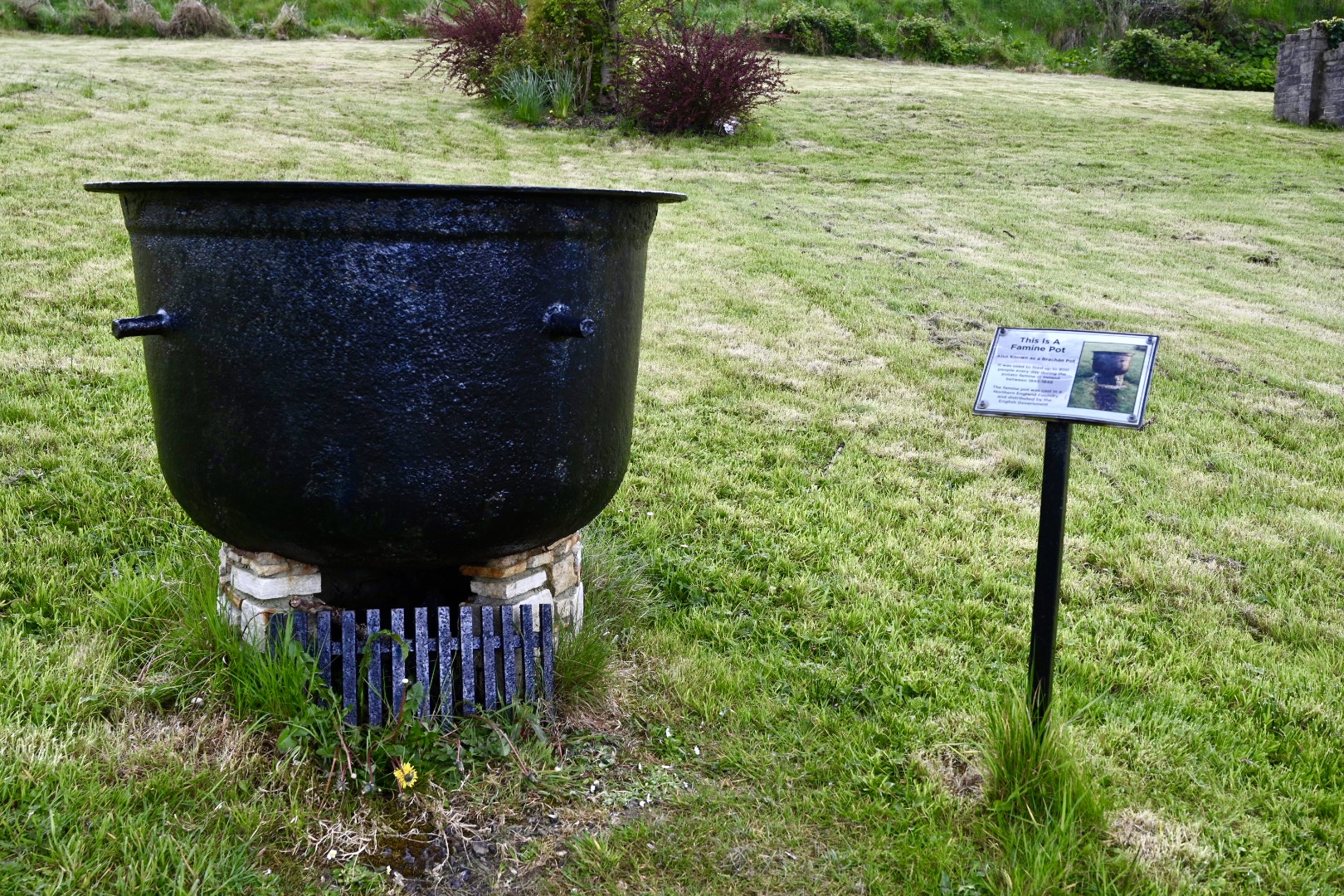
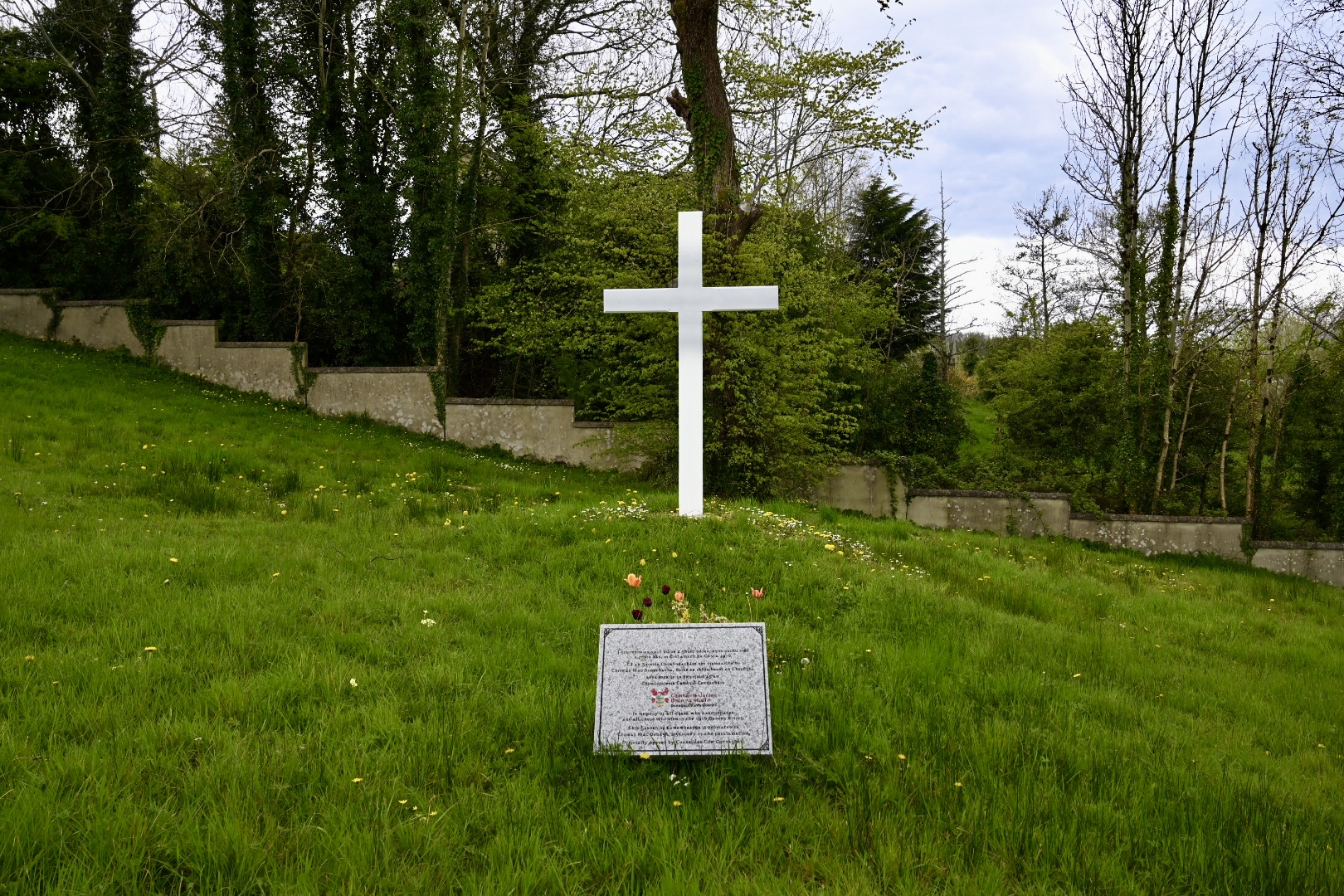
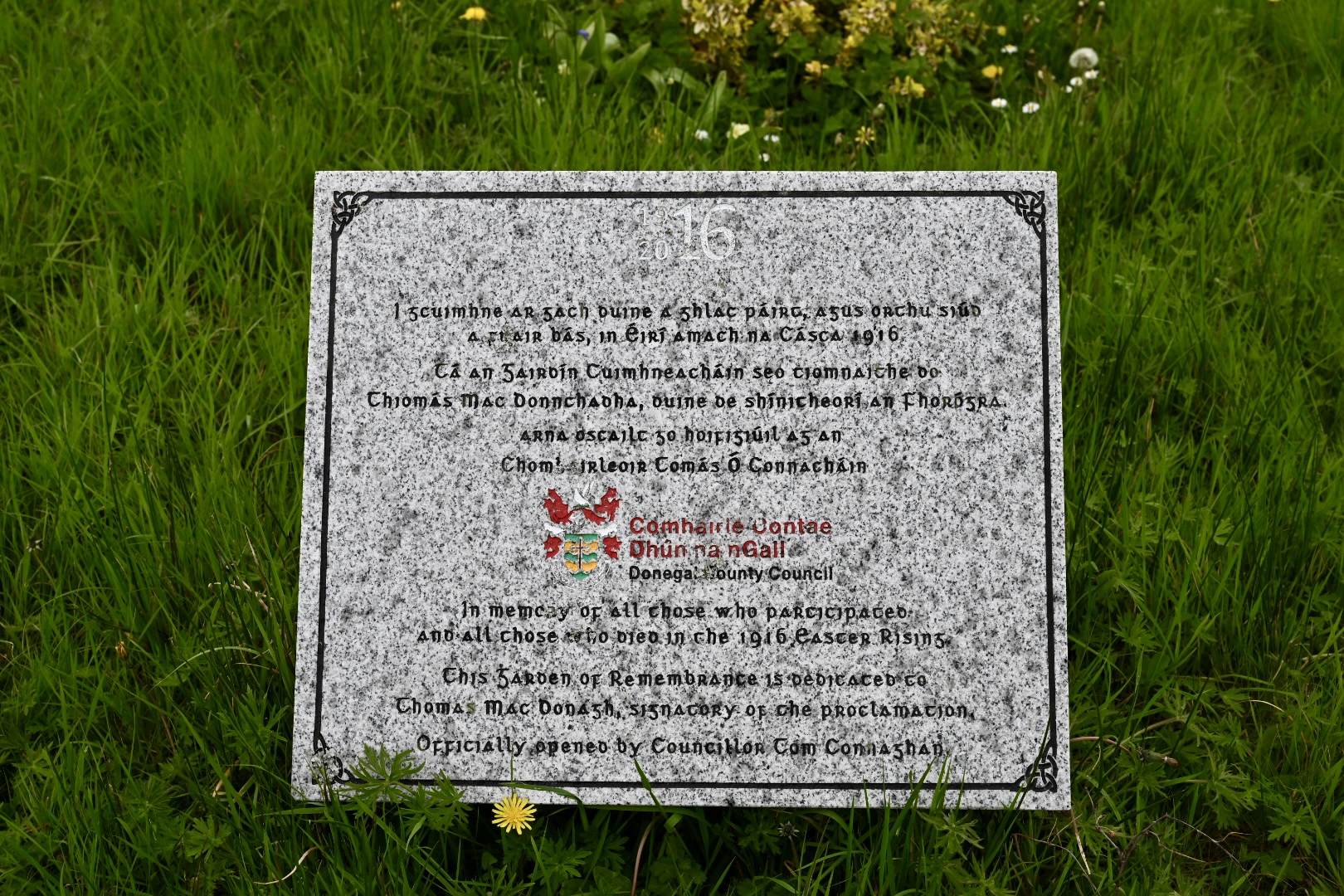
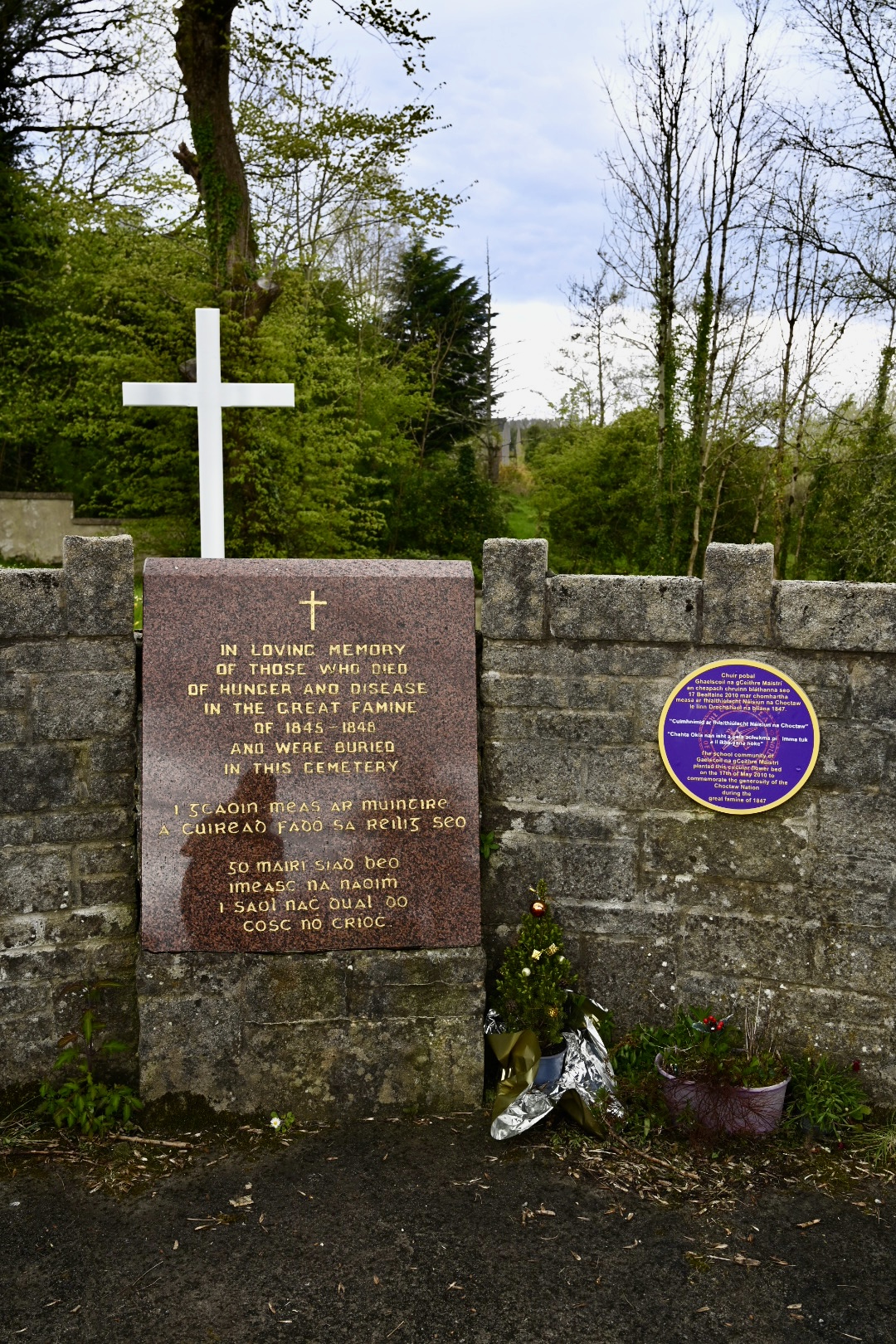
Bundoran
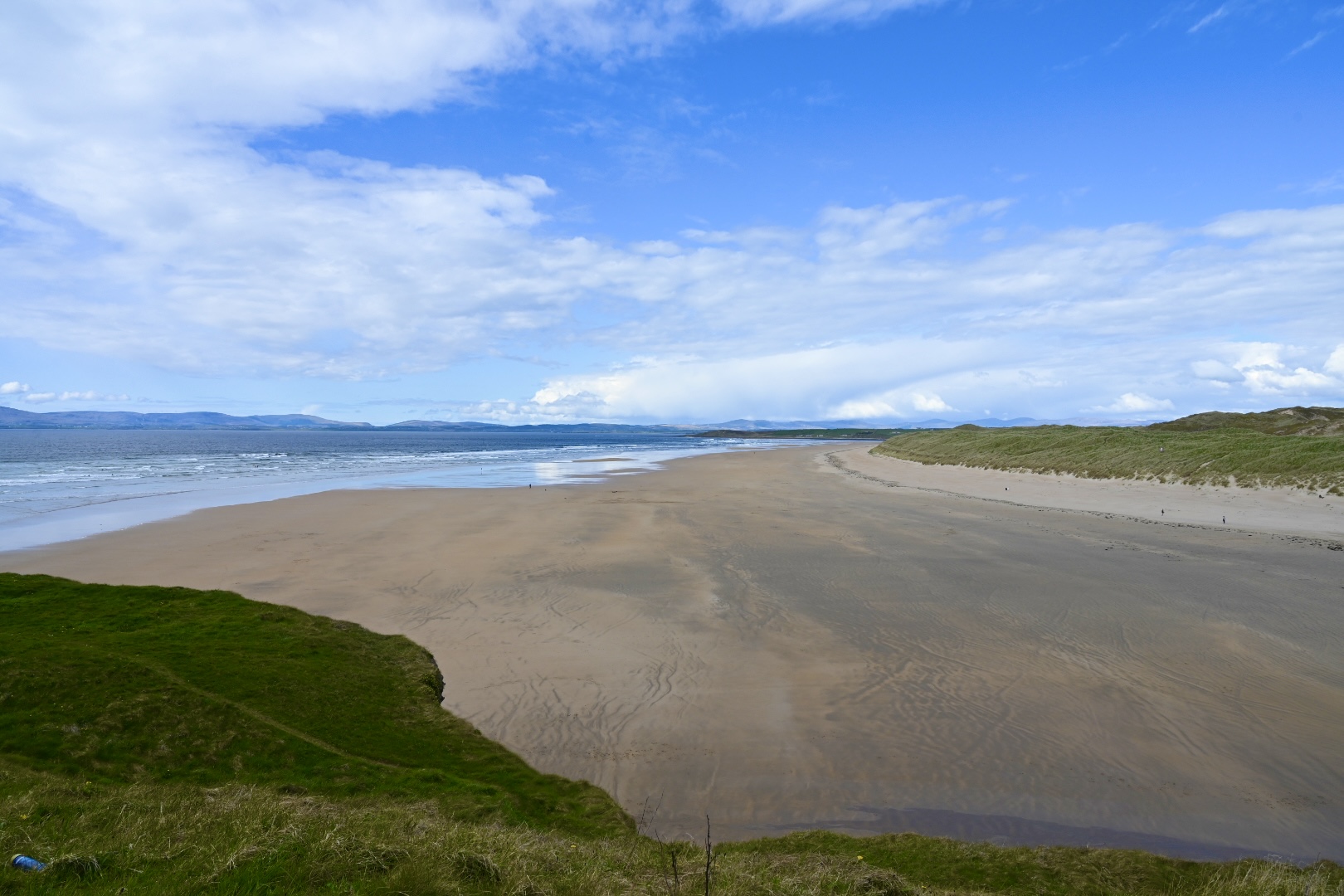
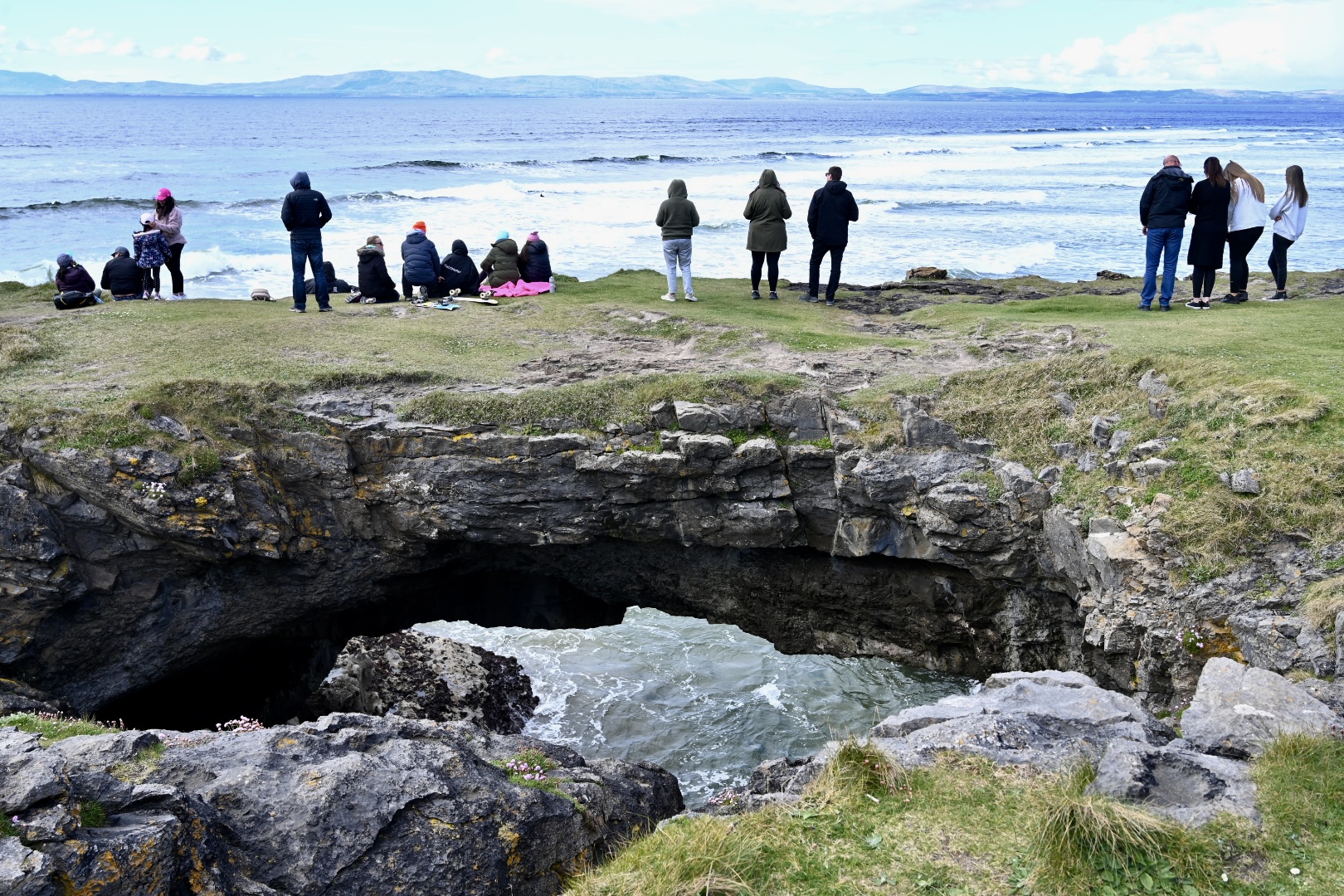
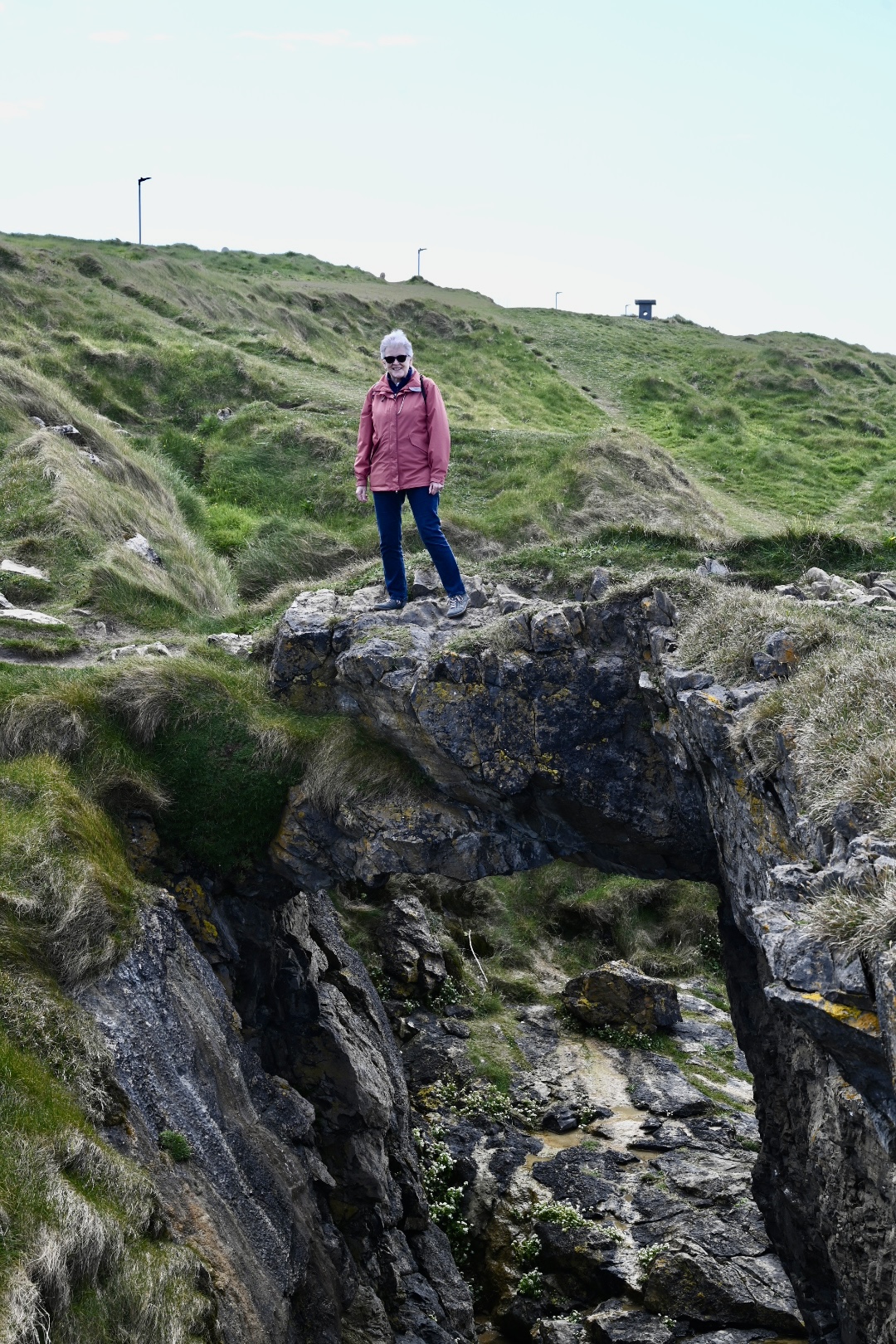
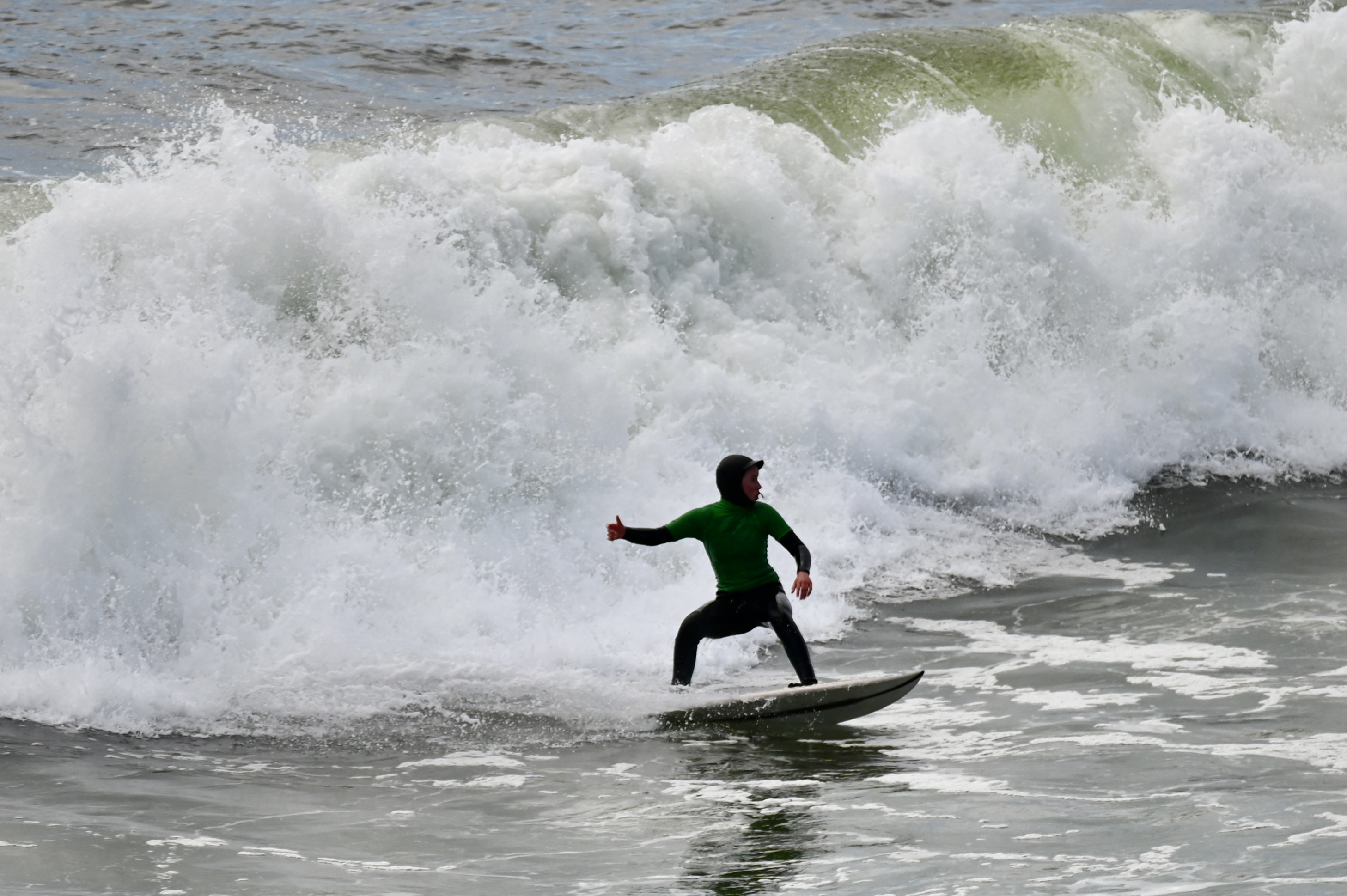
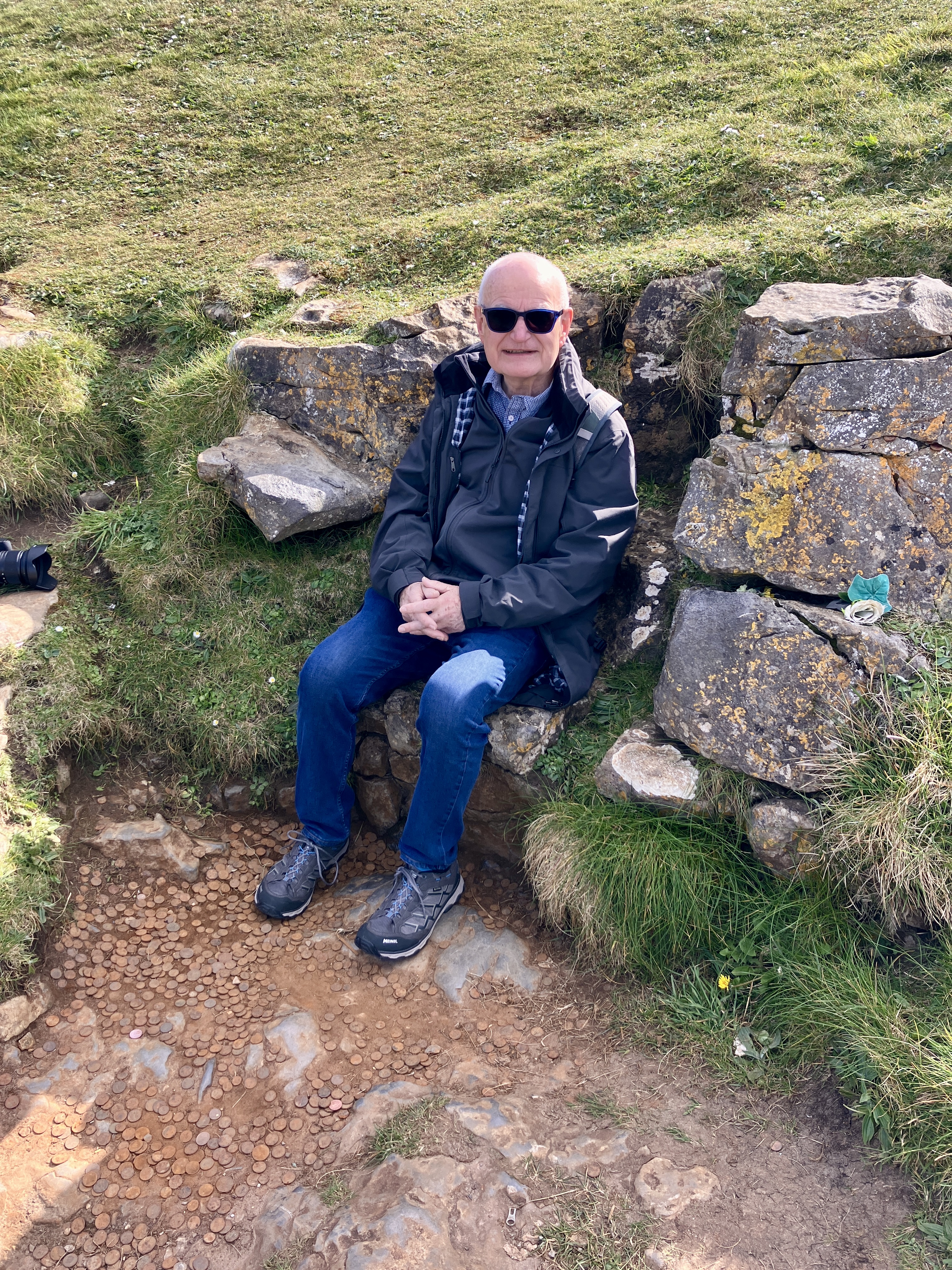
On the southern end of Bundoran’s Tullan Strand are the “Fairy Bridges”, which pass over blowholes created by the sea, and the Wishing Chair carved out of the rock. The afternoon we visited a surfing competition was taking place.
Glencolmcille
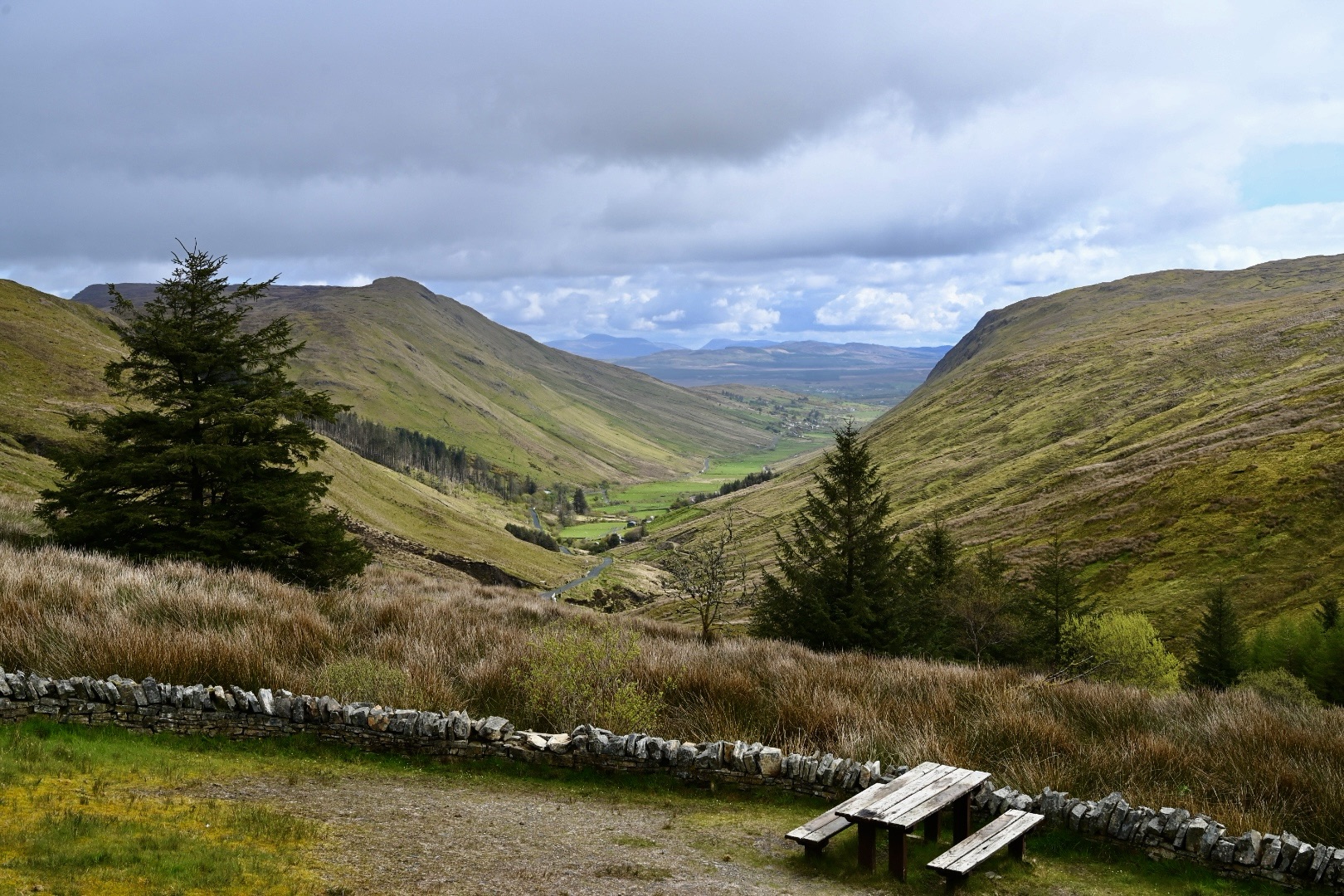
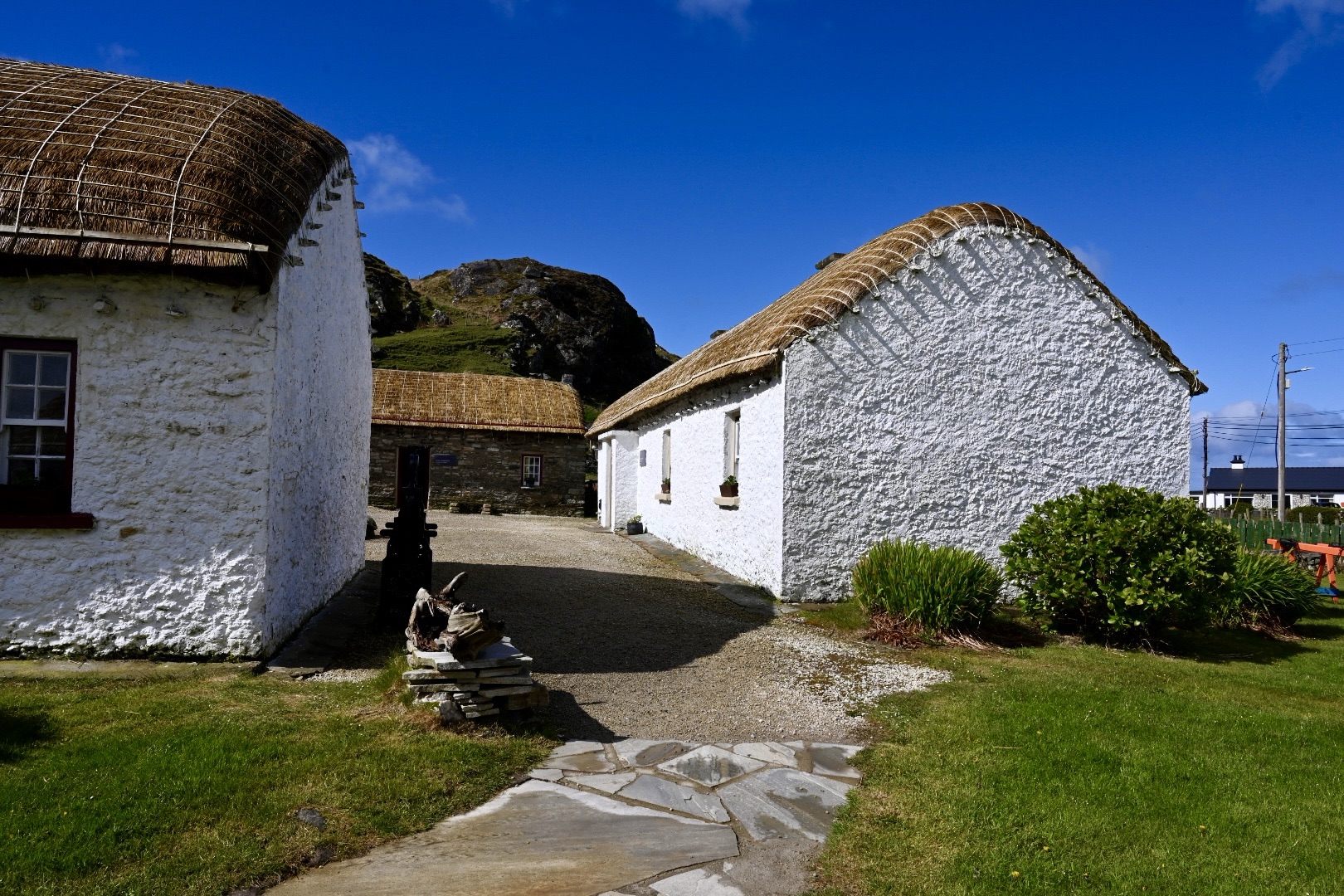
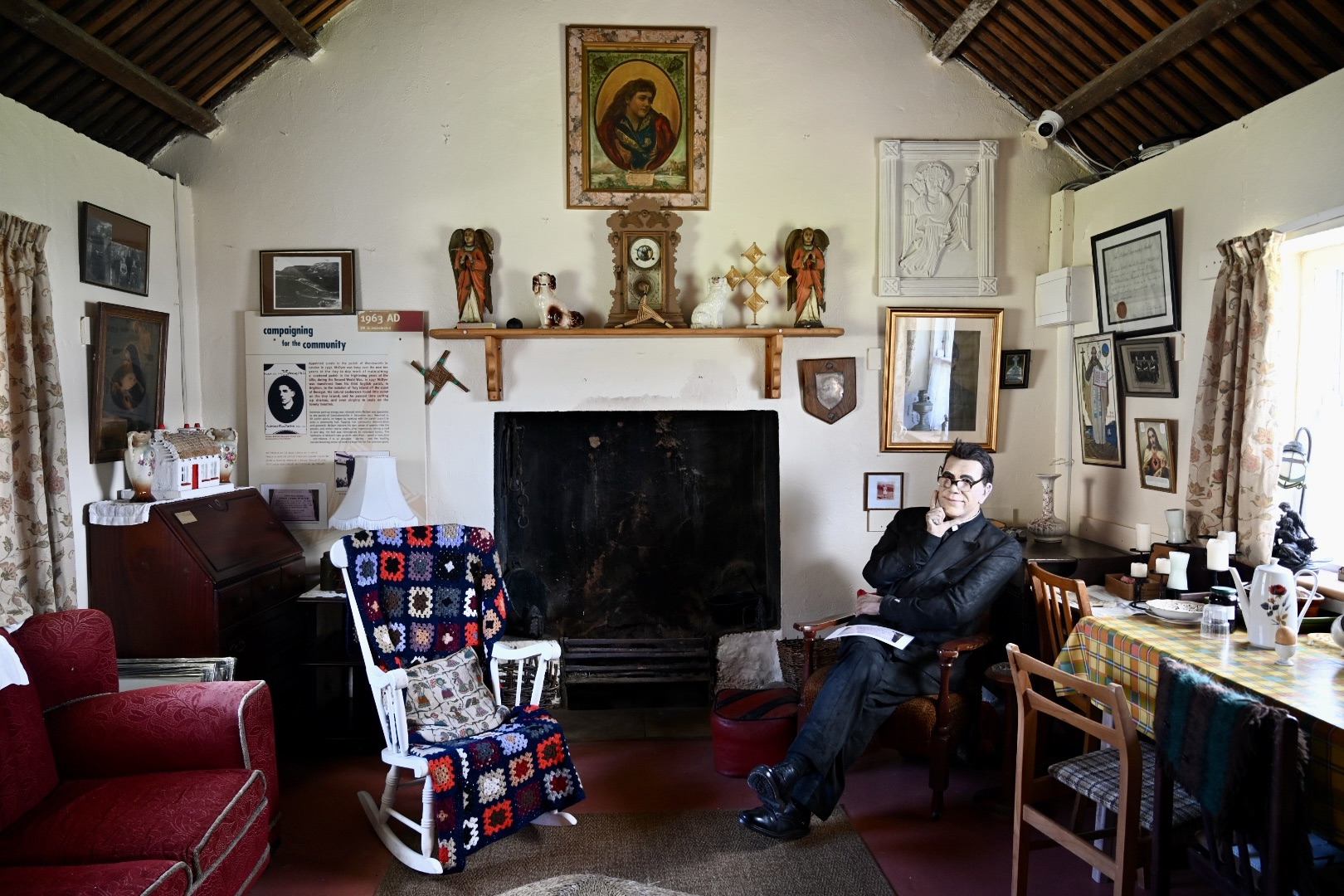
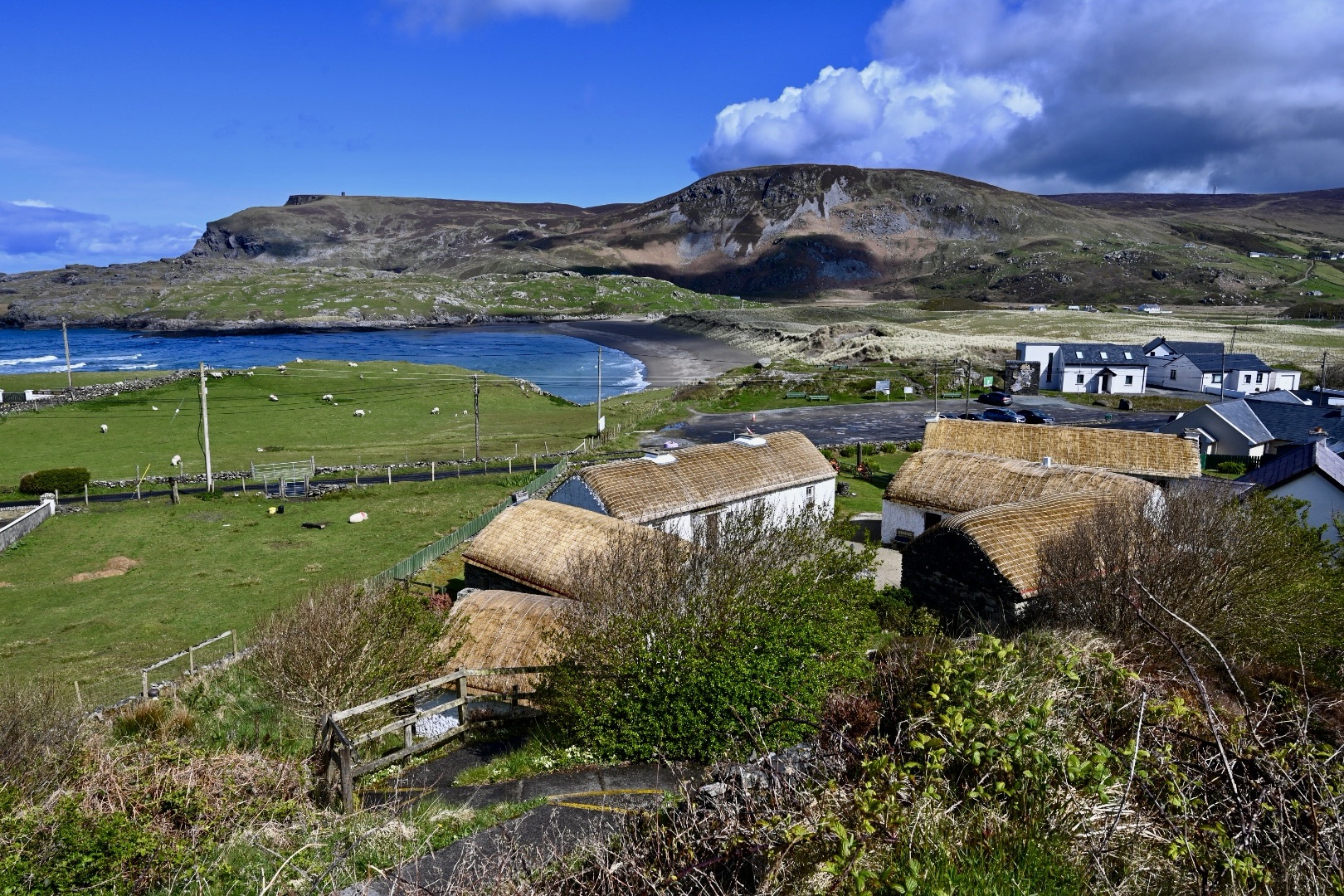
Glencolmcille’s main attraction is the Folk Village Museum, a cluster of replica cottages depicting Donegal lifestyles of the 18th, 19th, and 20th centuries. It was started in the 1950s by Father James McDyer as a sort of job creation scheme to tackle poverty in the local area and the subsequent high levels of emigration. I almost said hello to the very life like version of him in one of the rooms.
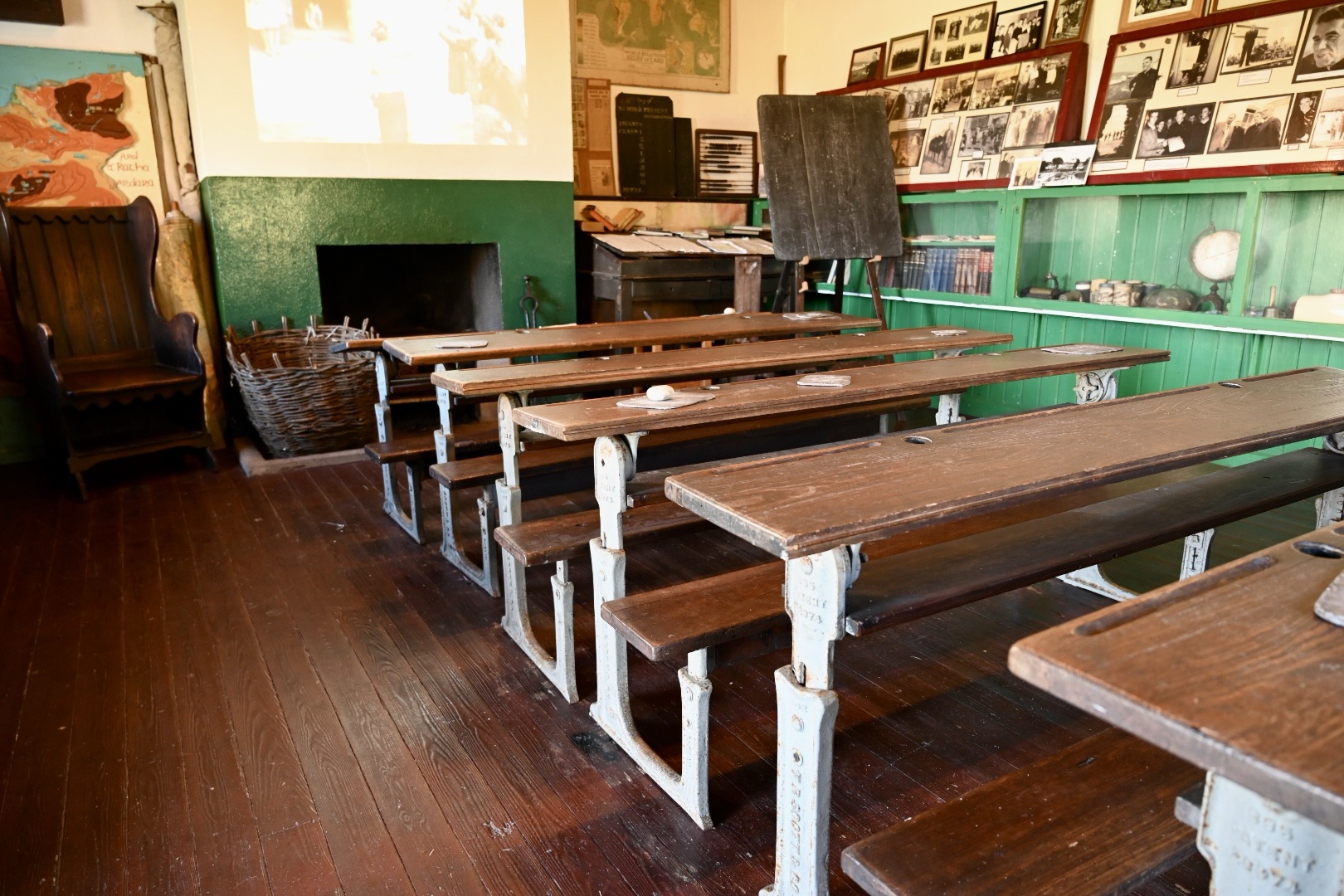
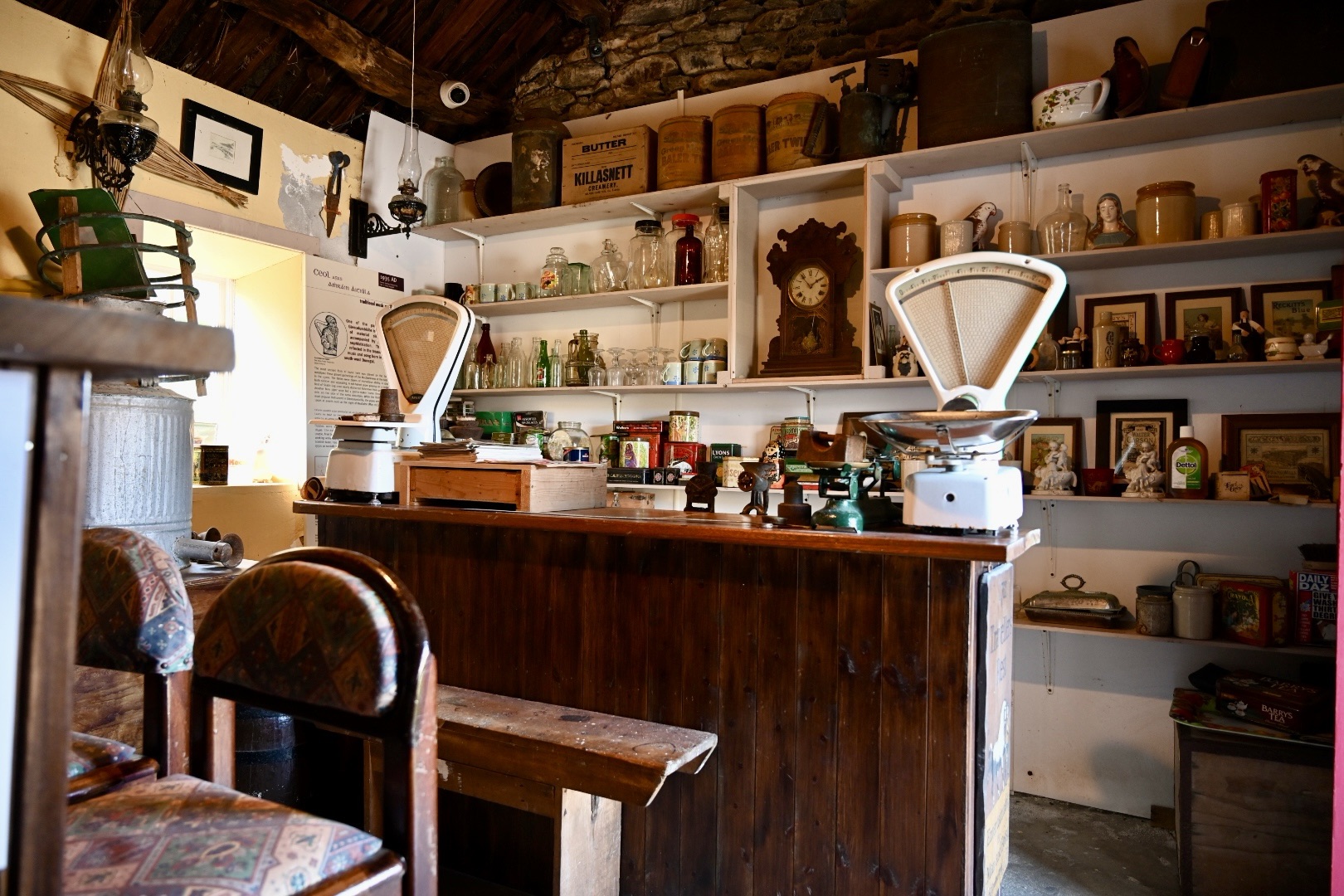
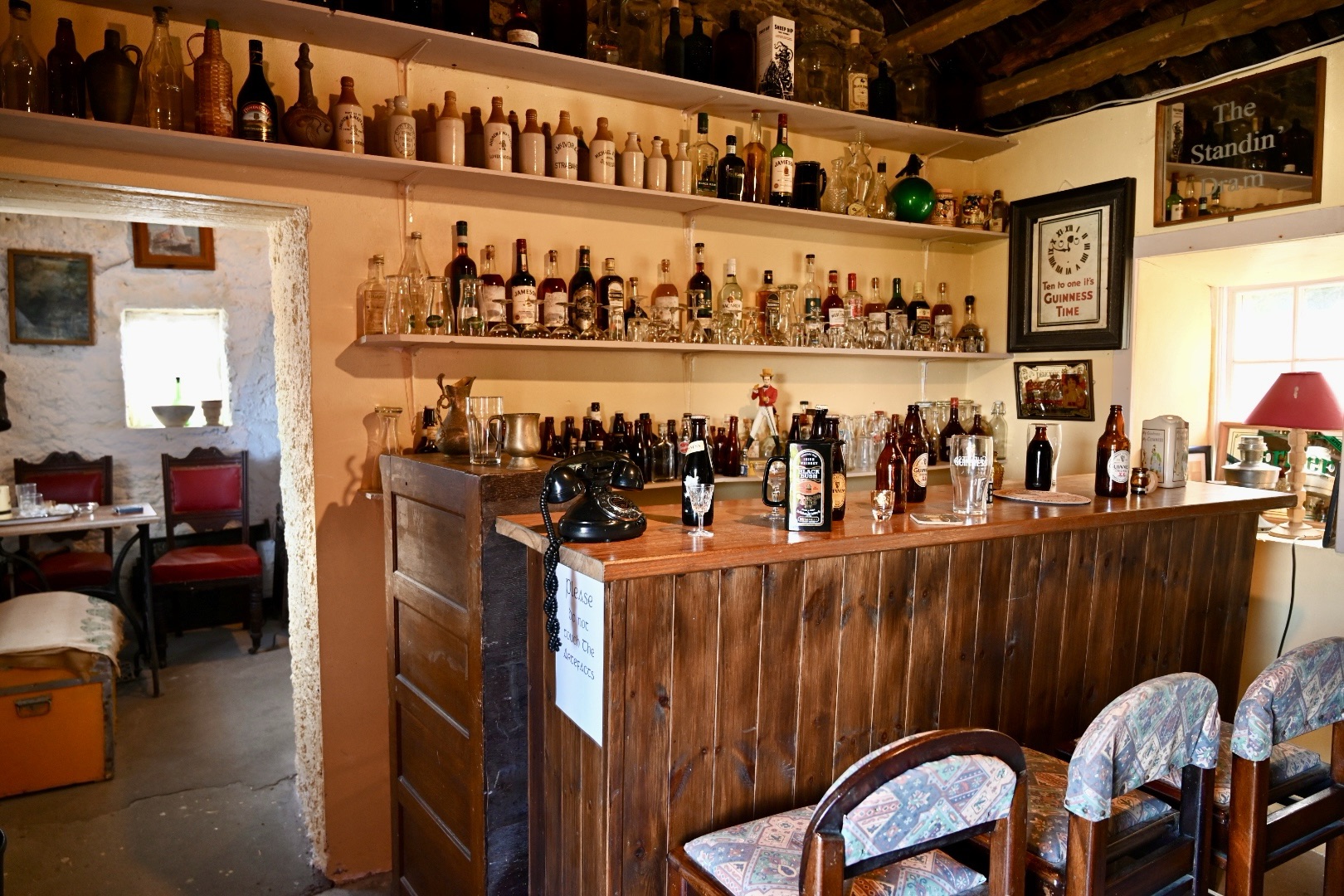
We noted that this was a town which liked its Guinness!
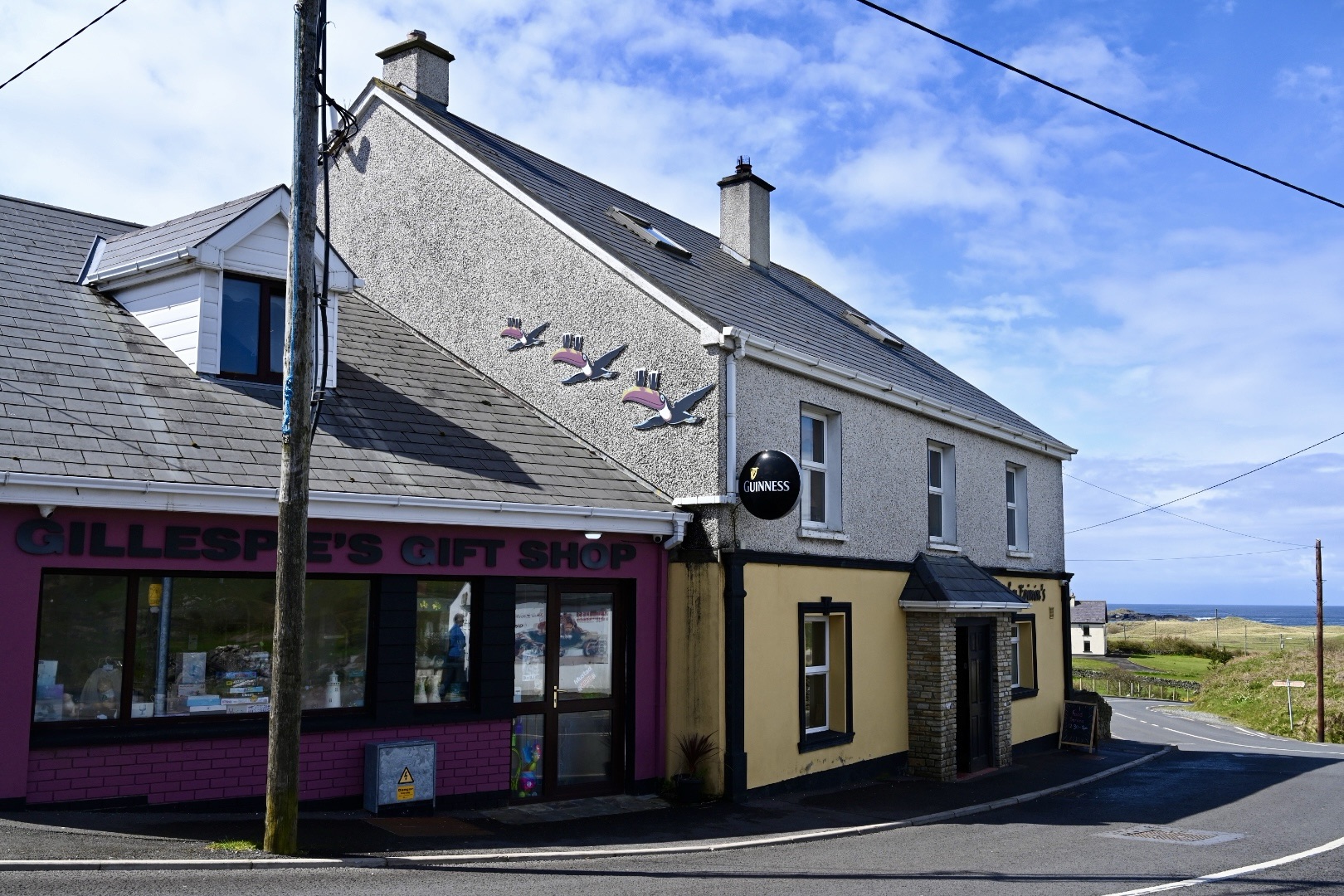
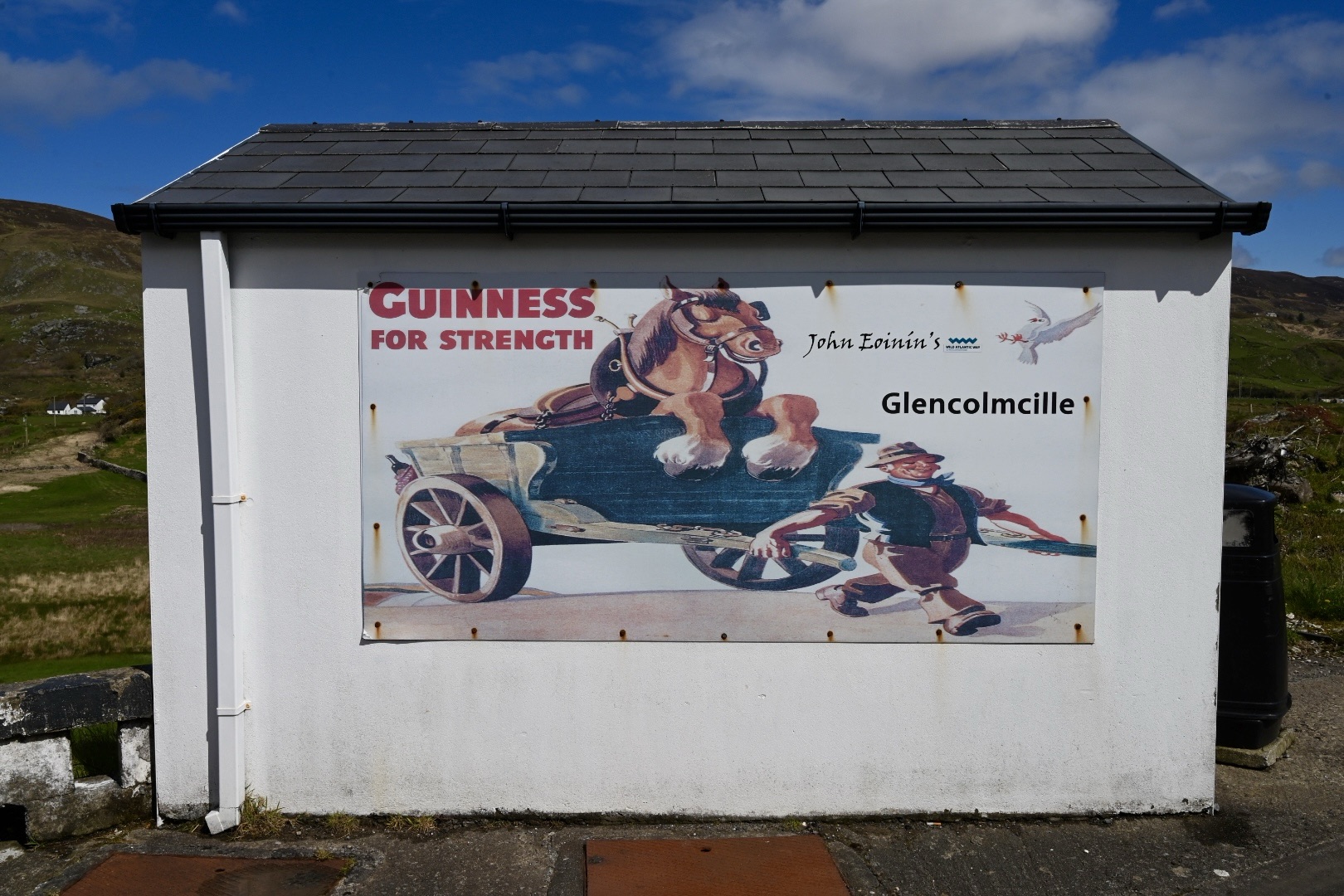
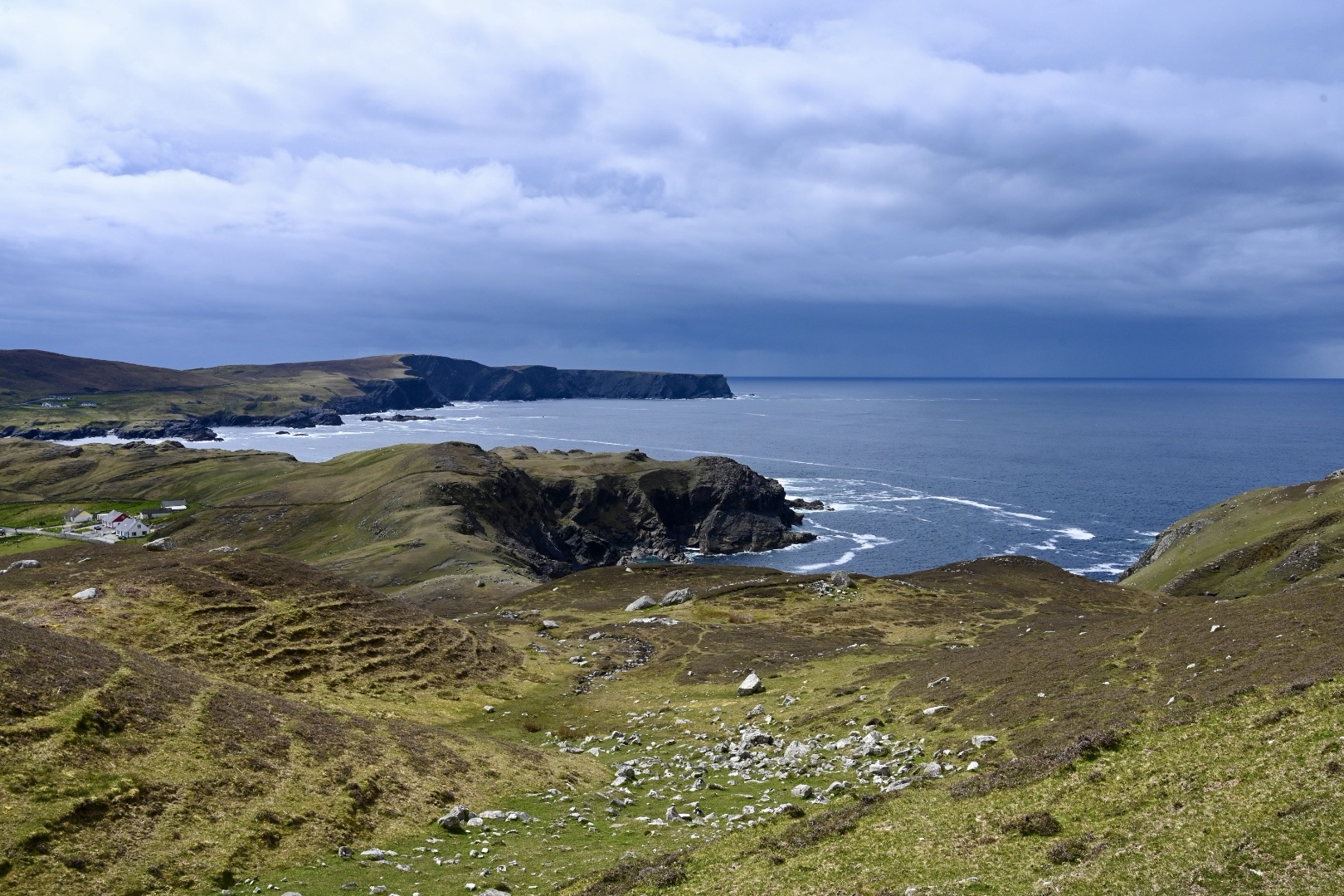
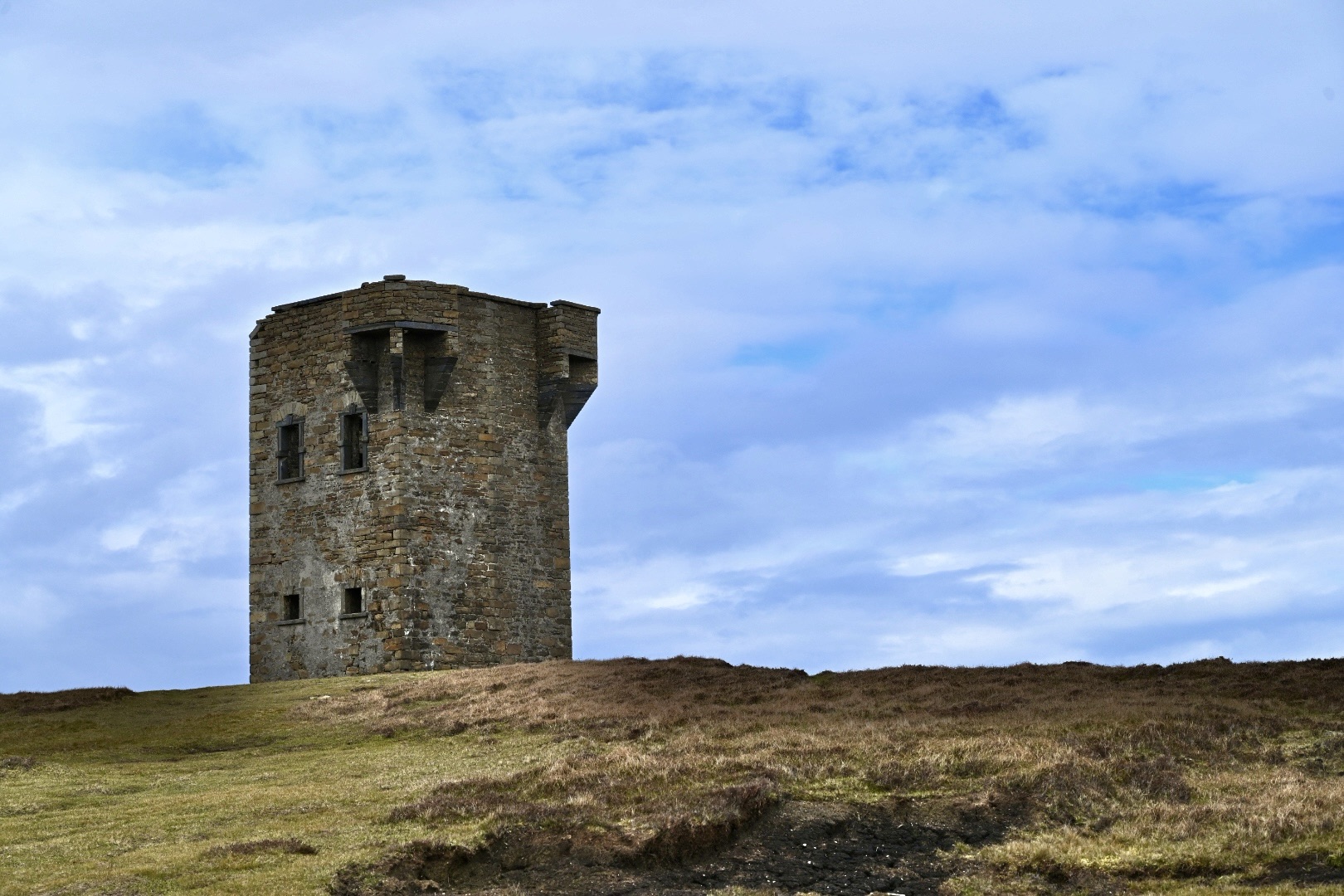
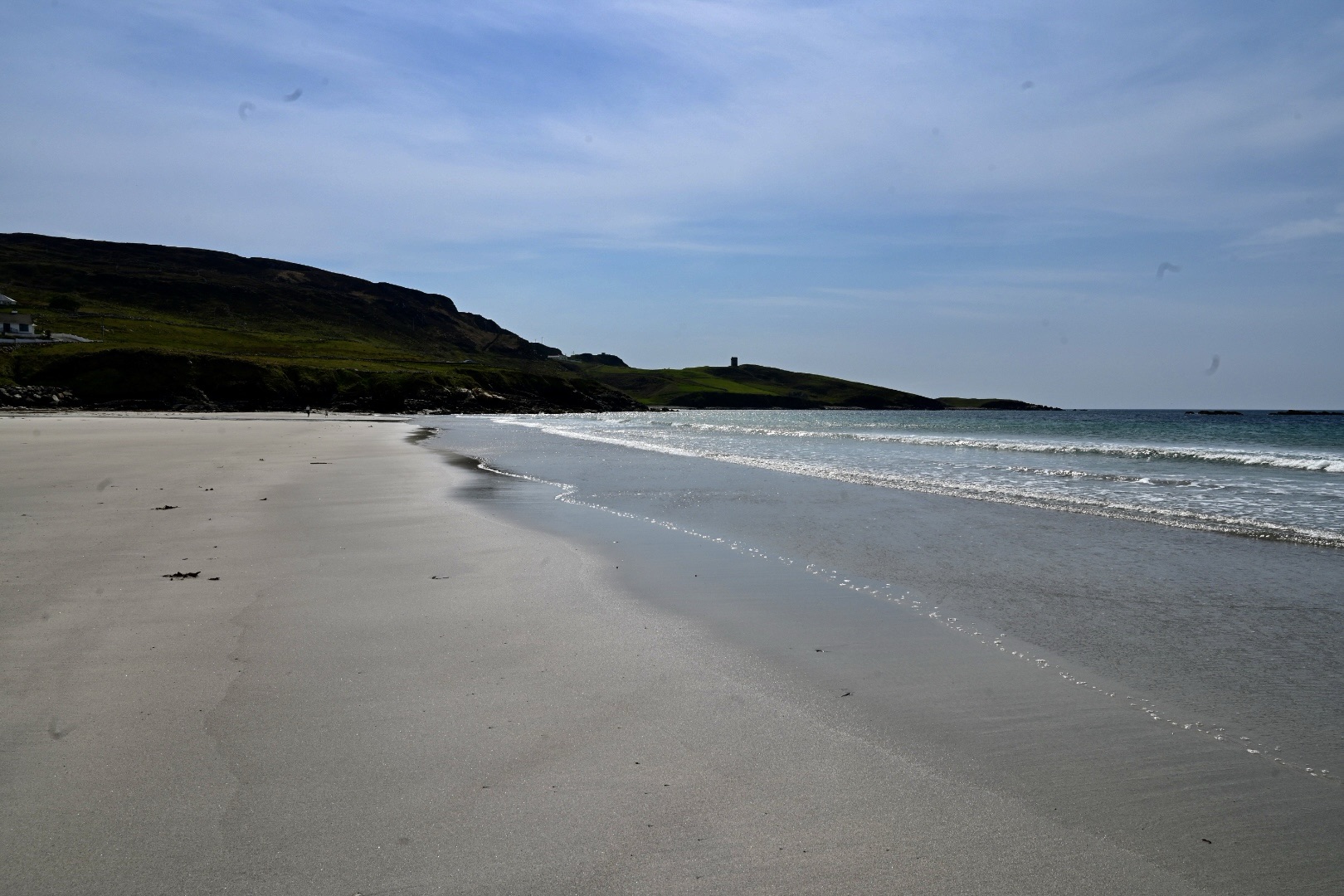
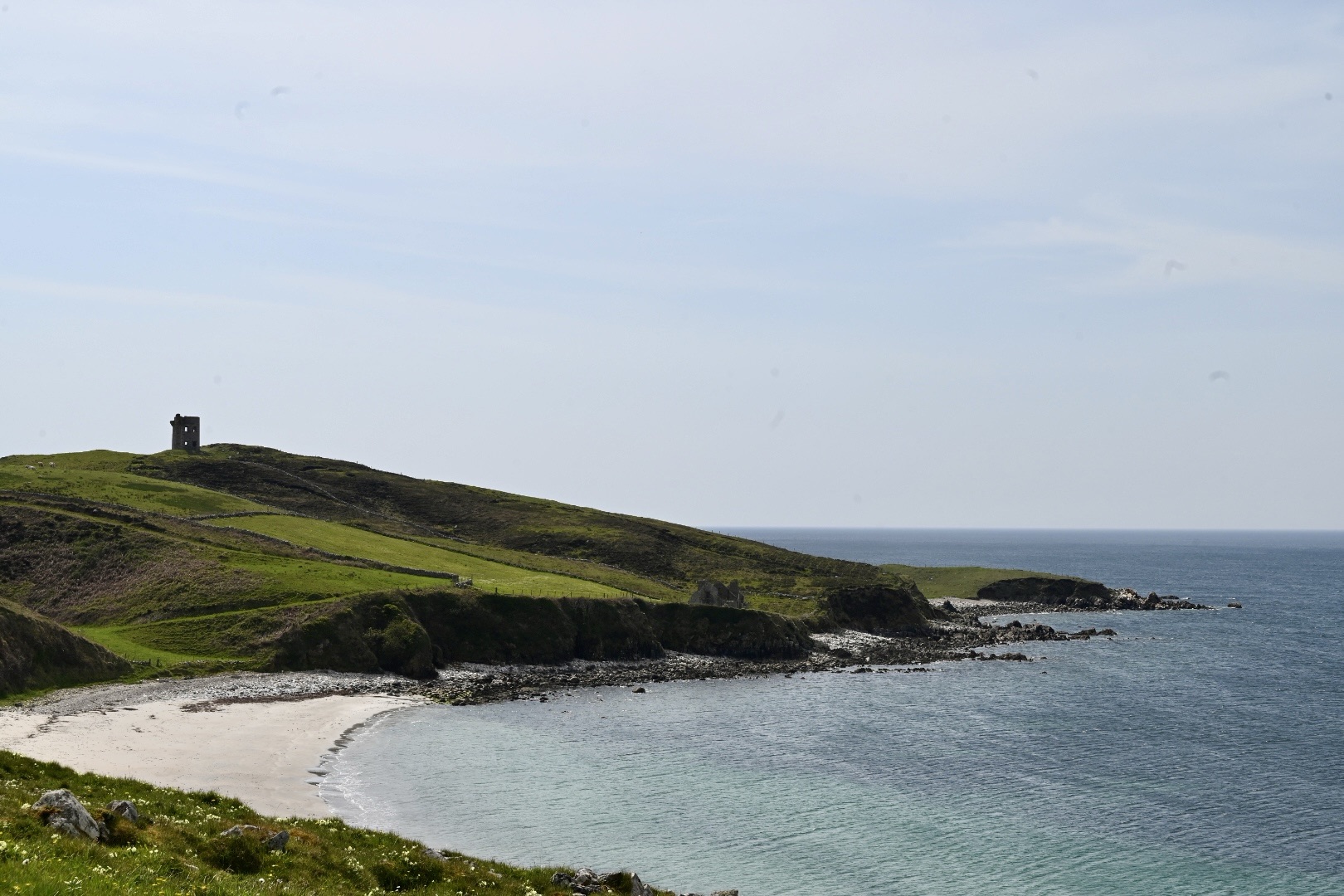
In the afternoon we took a beautiful circular walk from the village which took us over cliffs to a Napoleonic signal tower and some early Christian pillars.
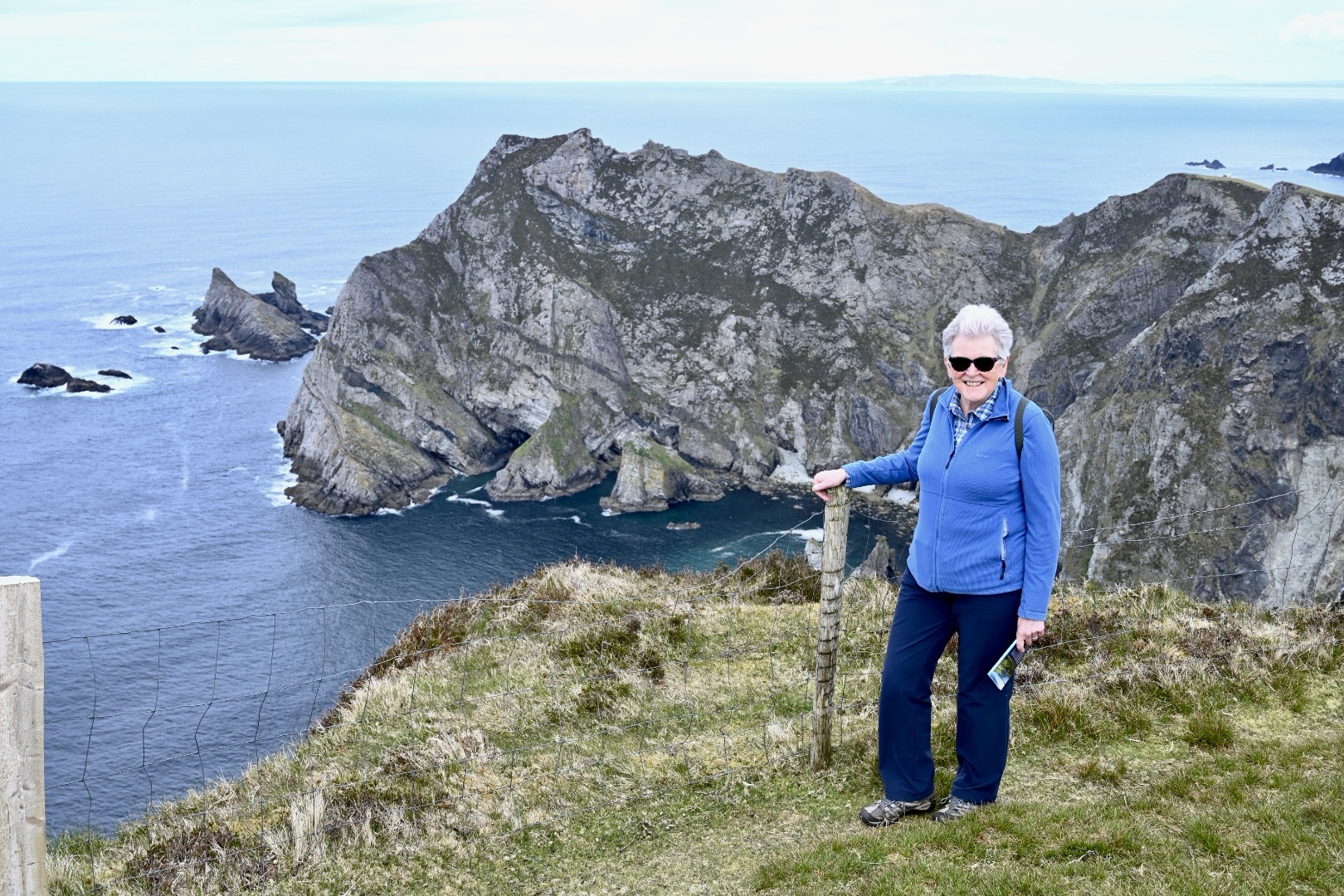
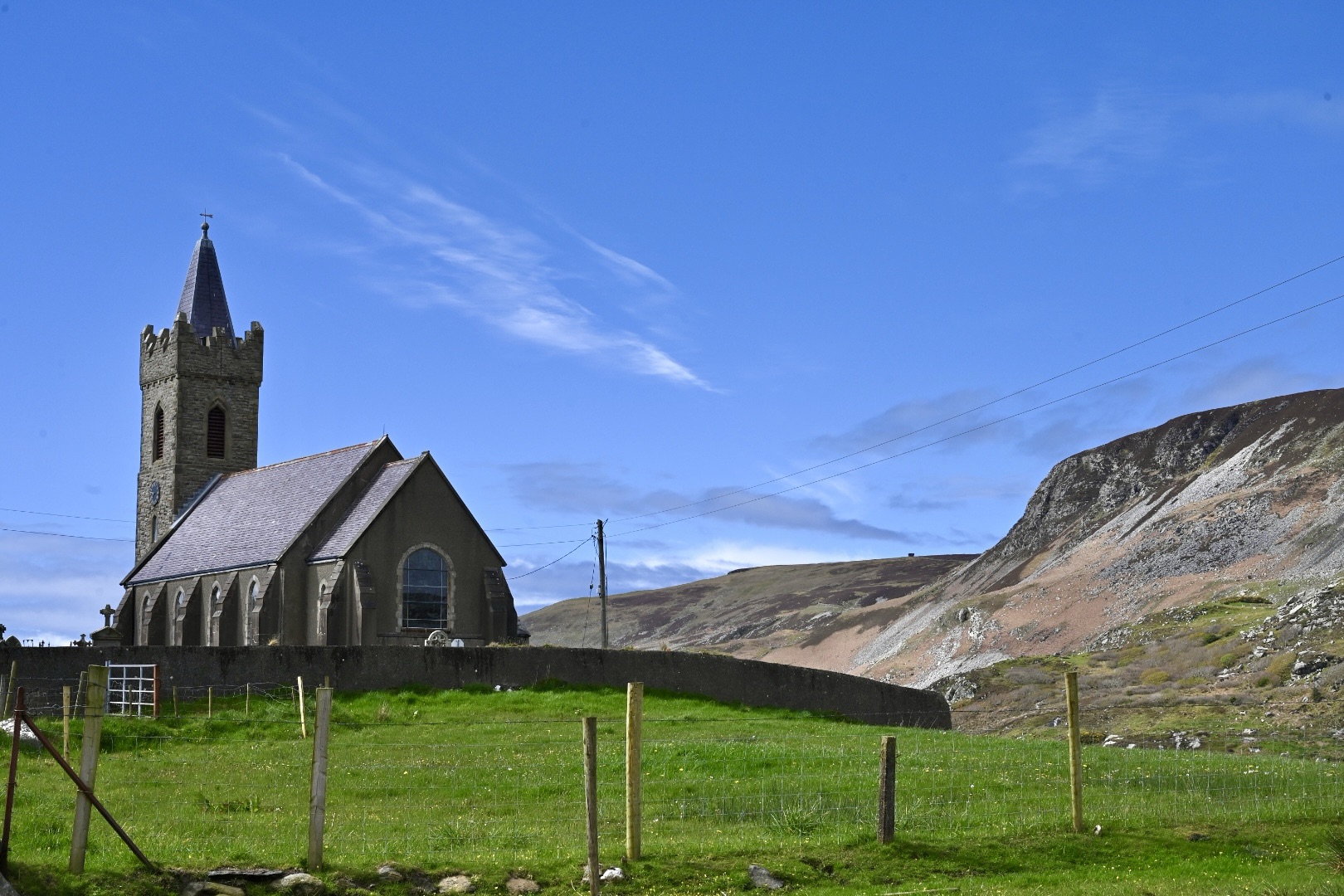
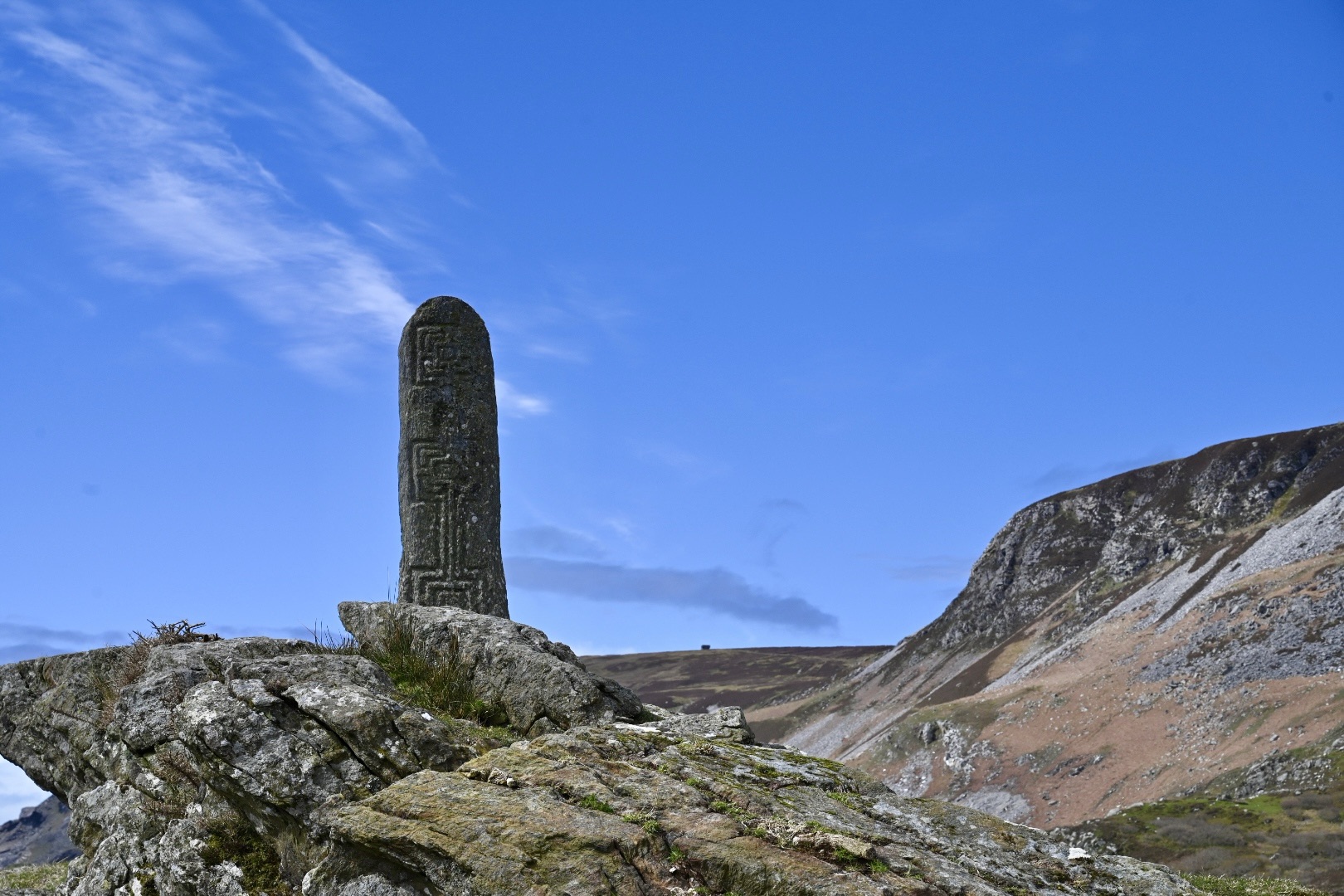
Glenveagh
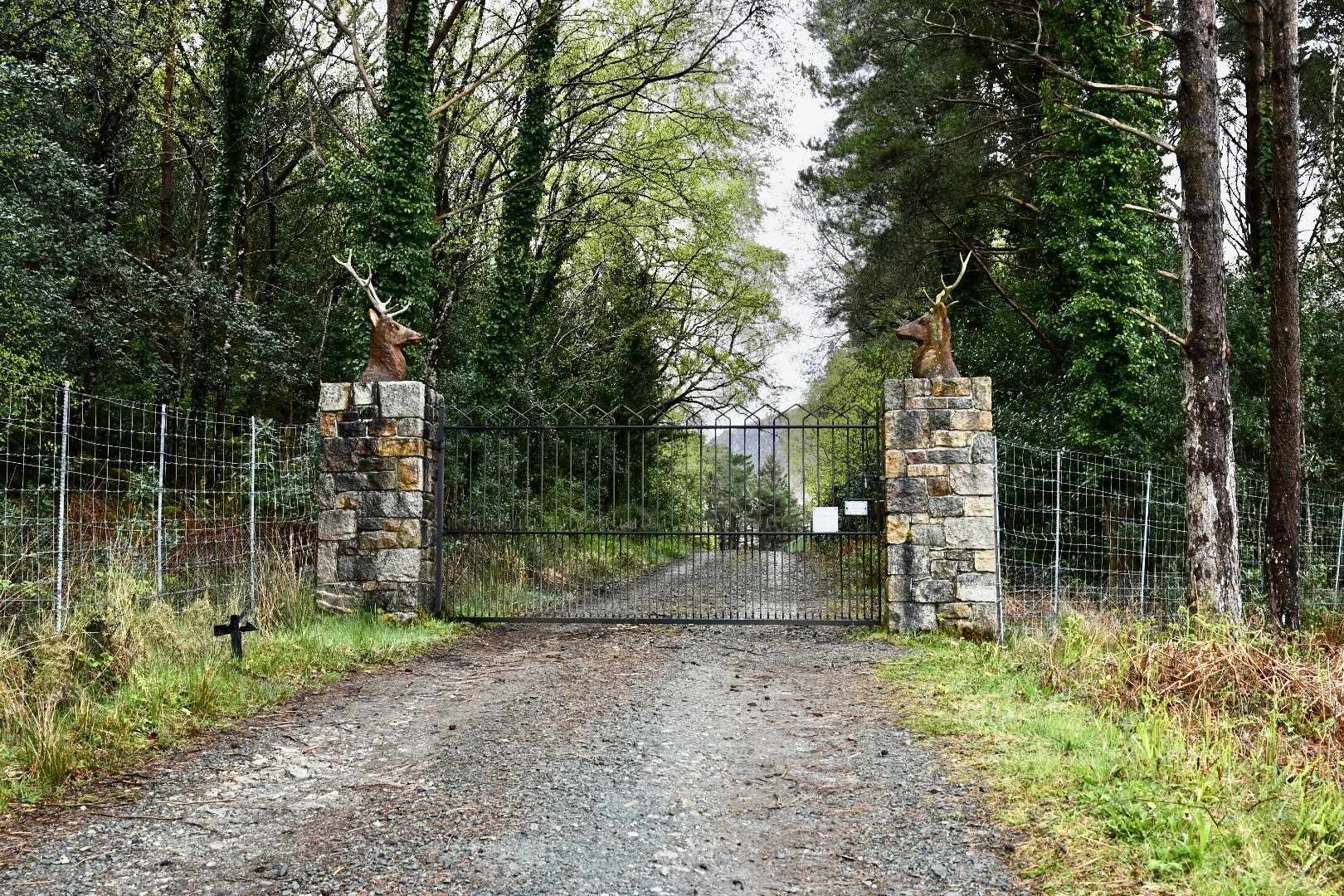
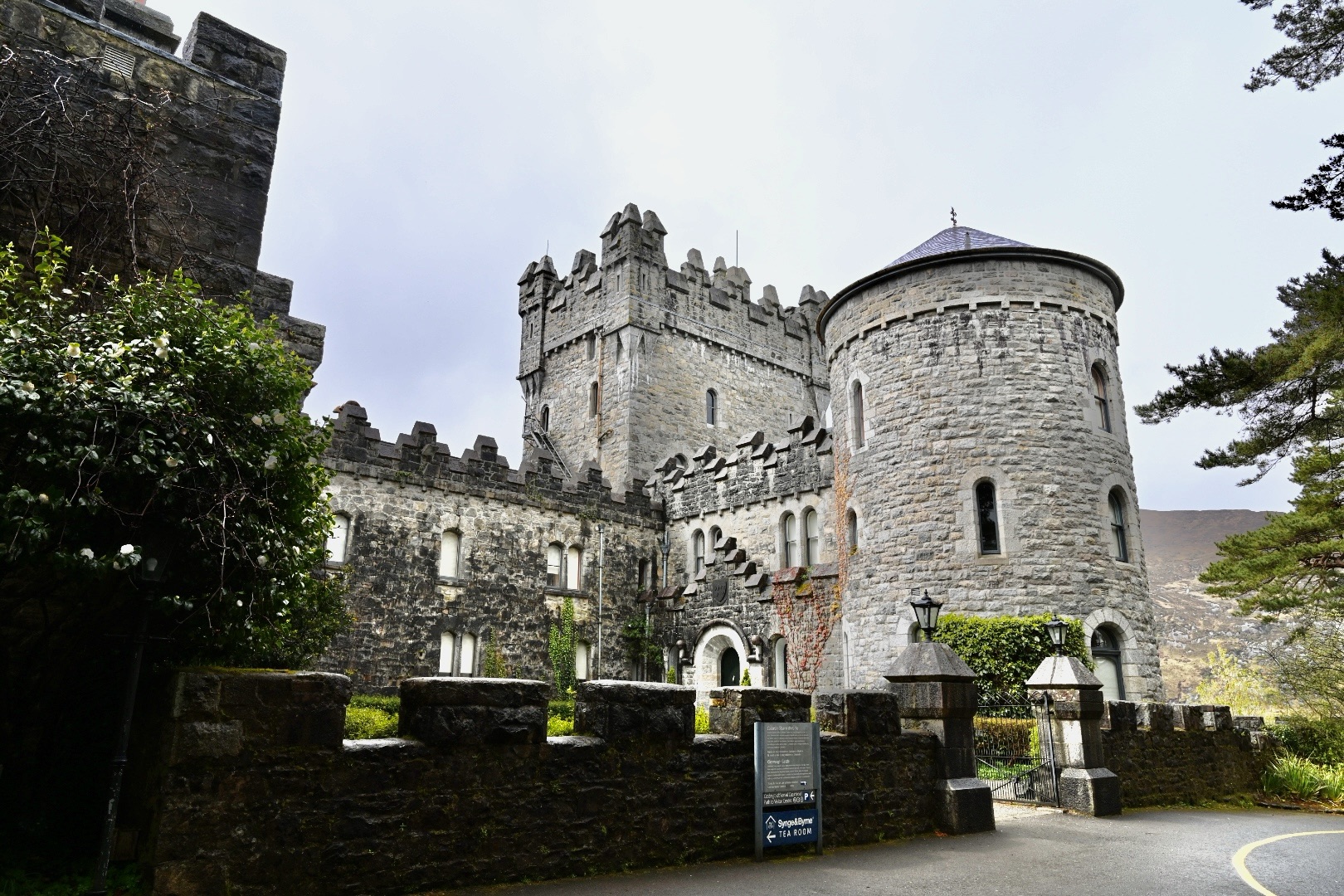
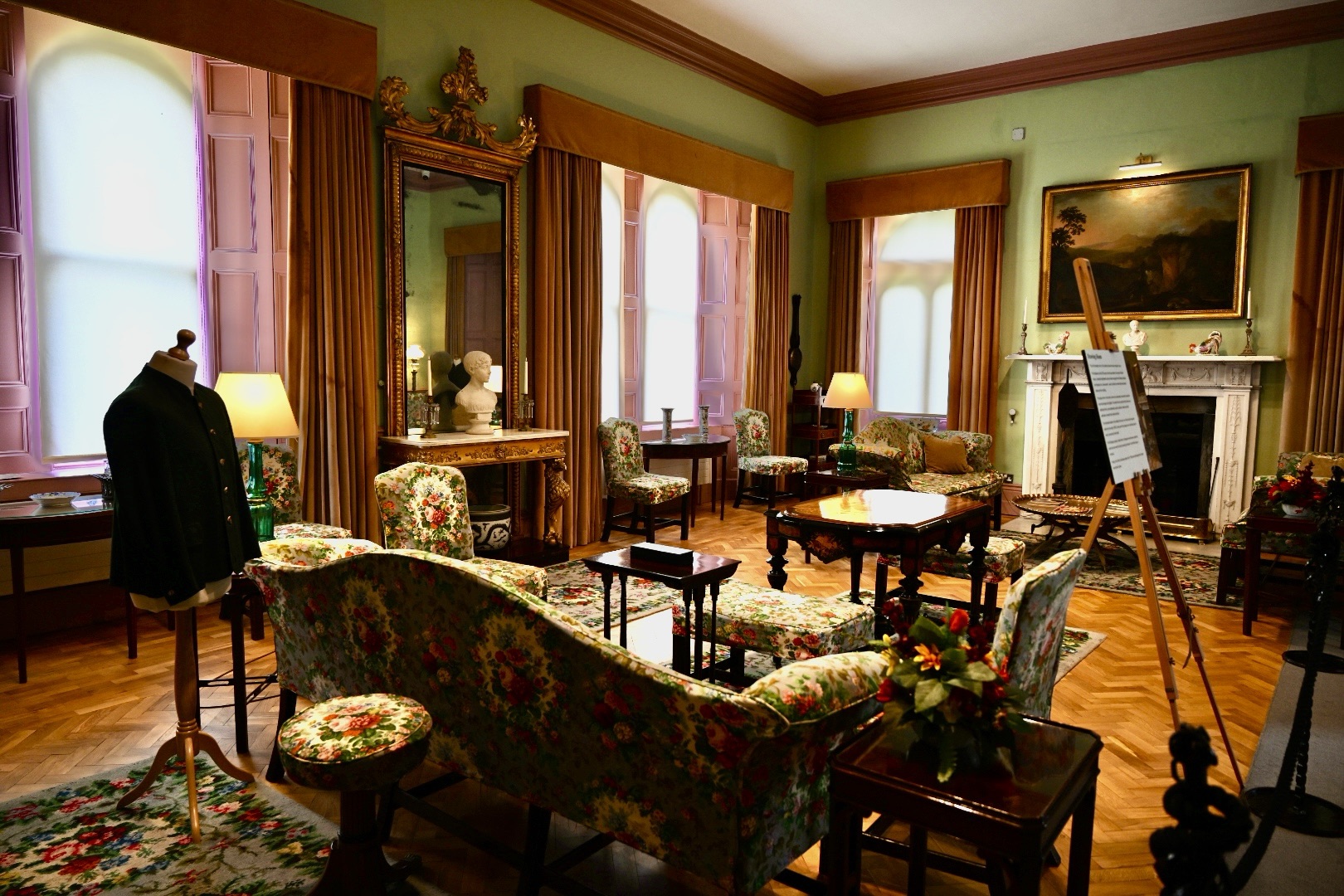
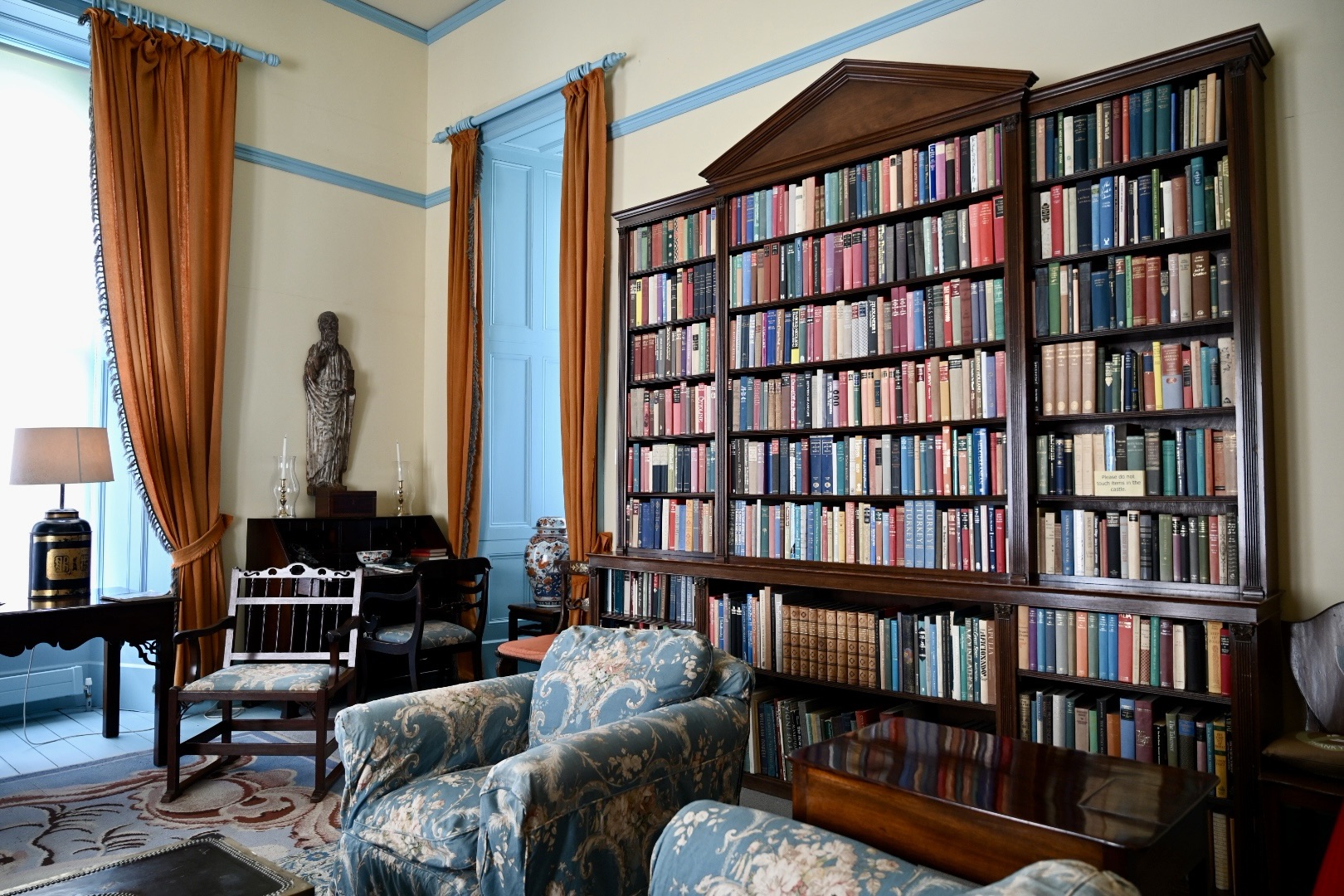
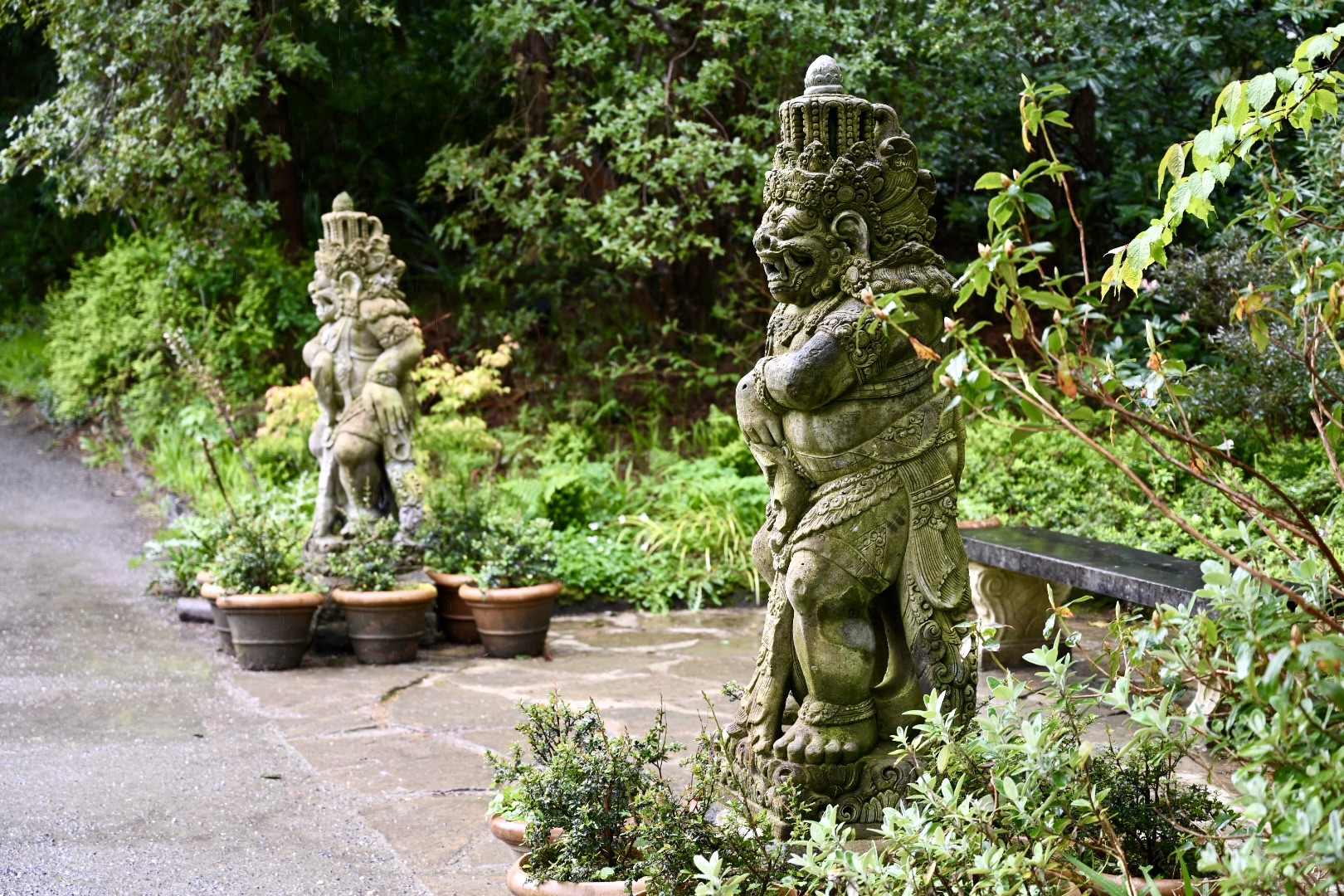
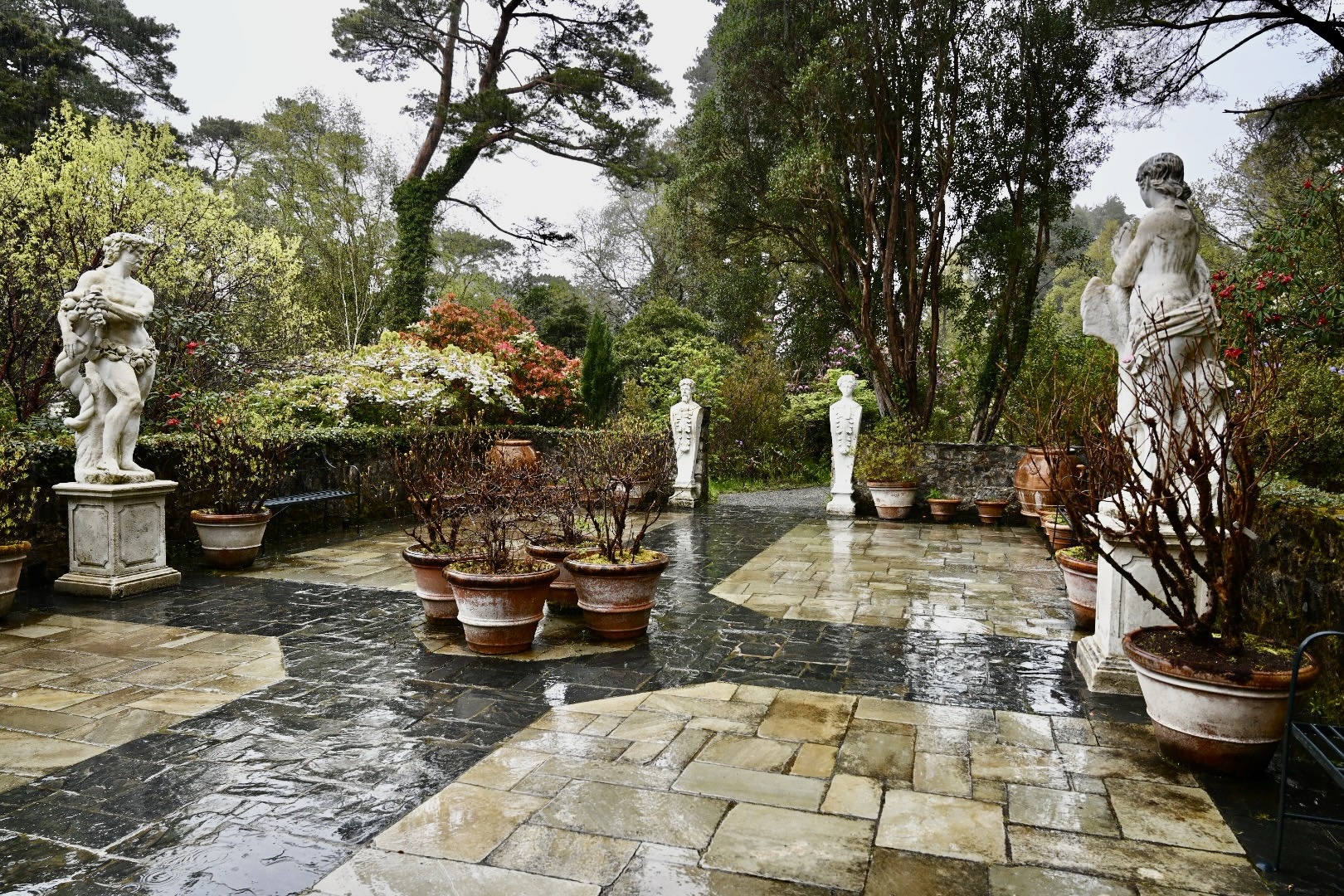
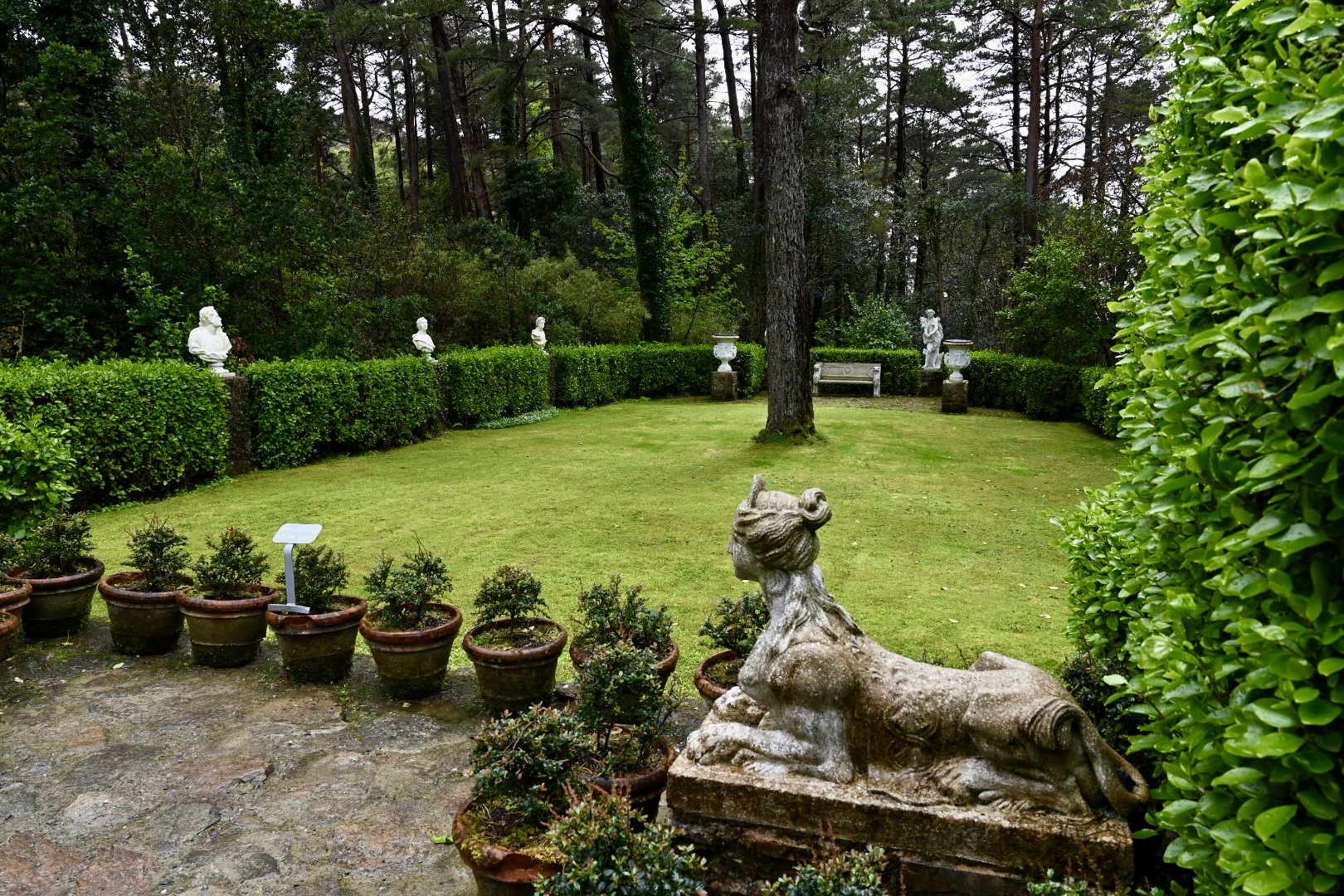
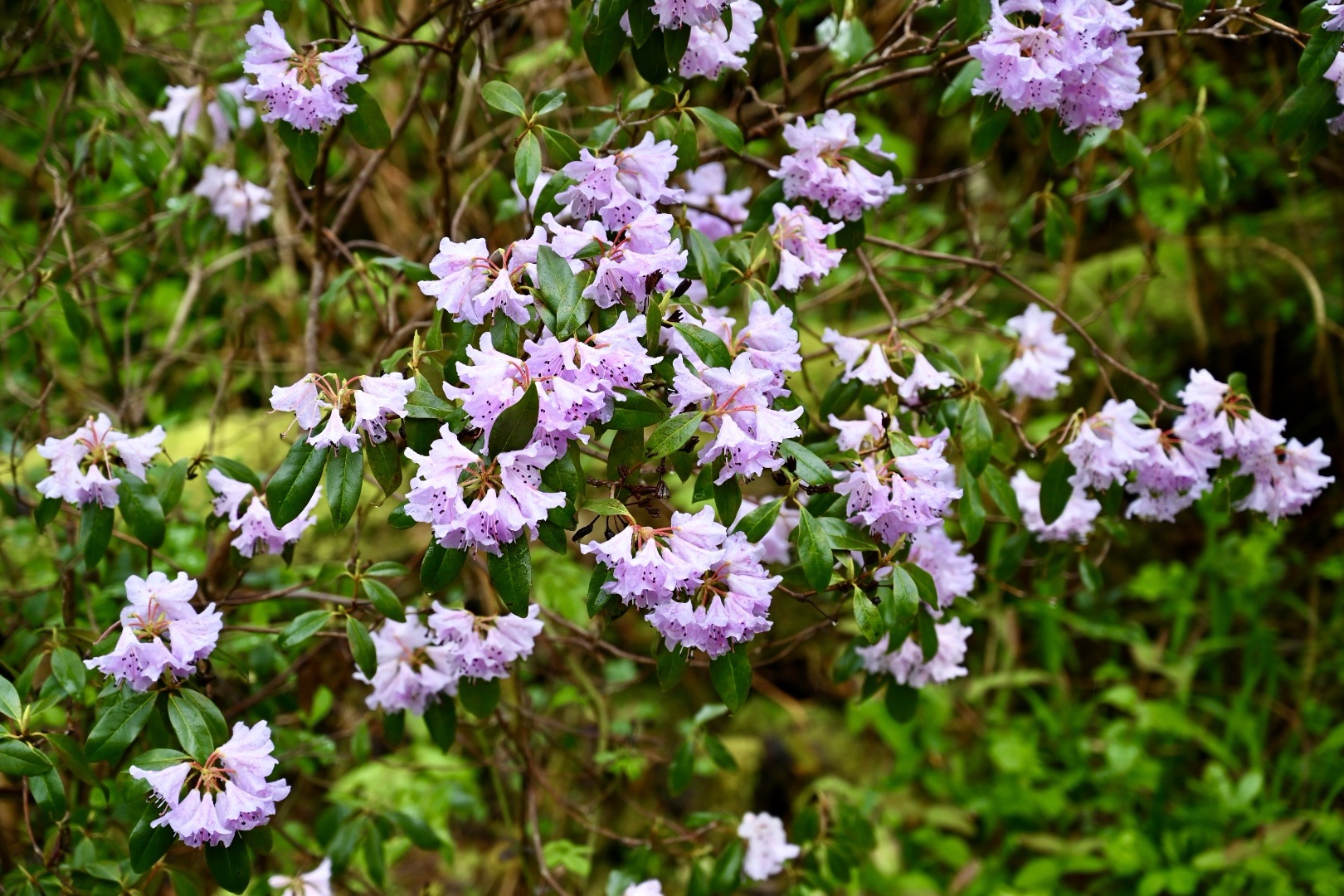
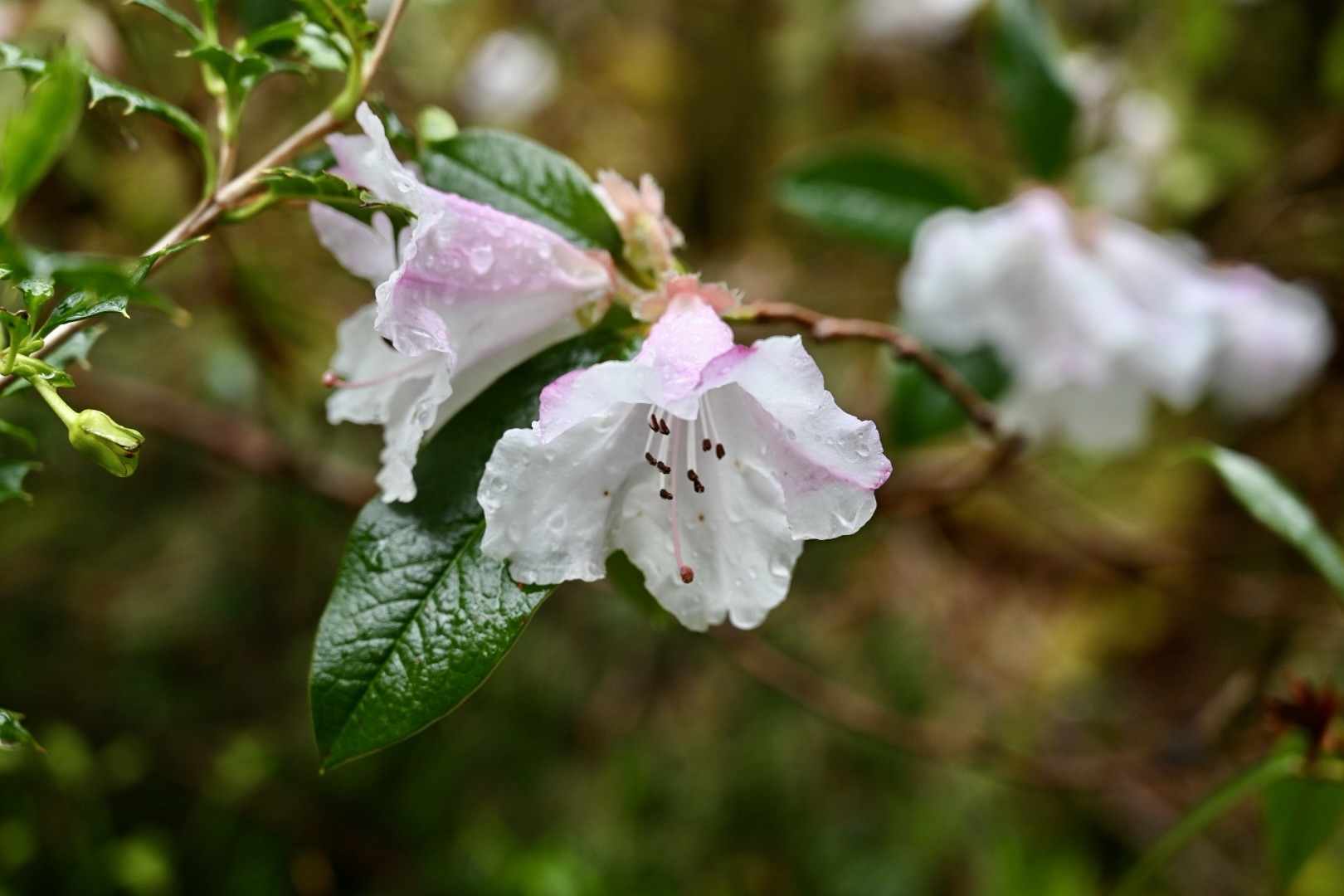
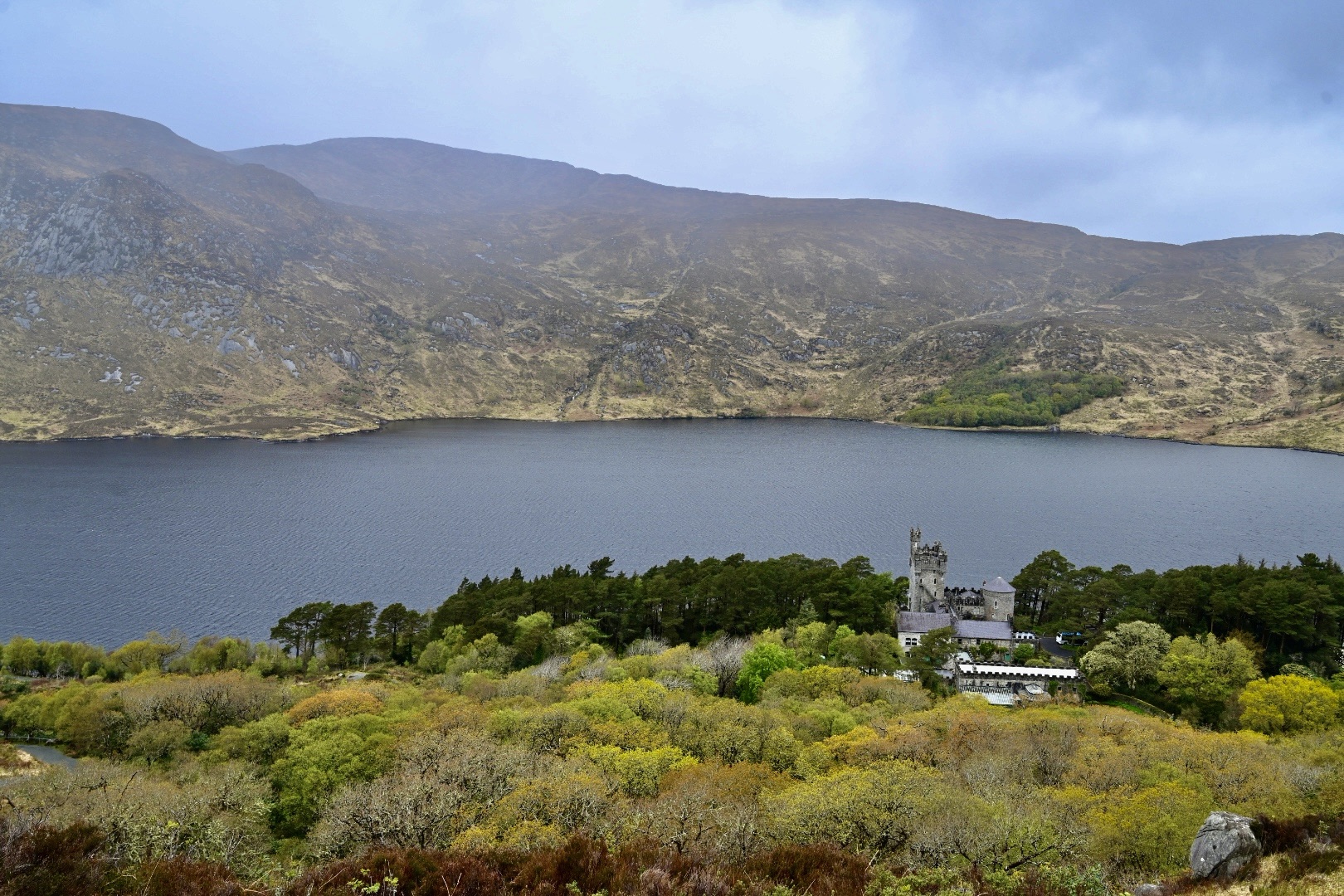
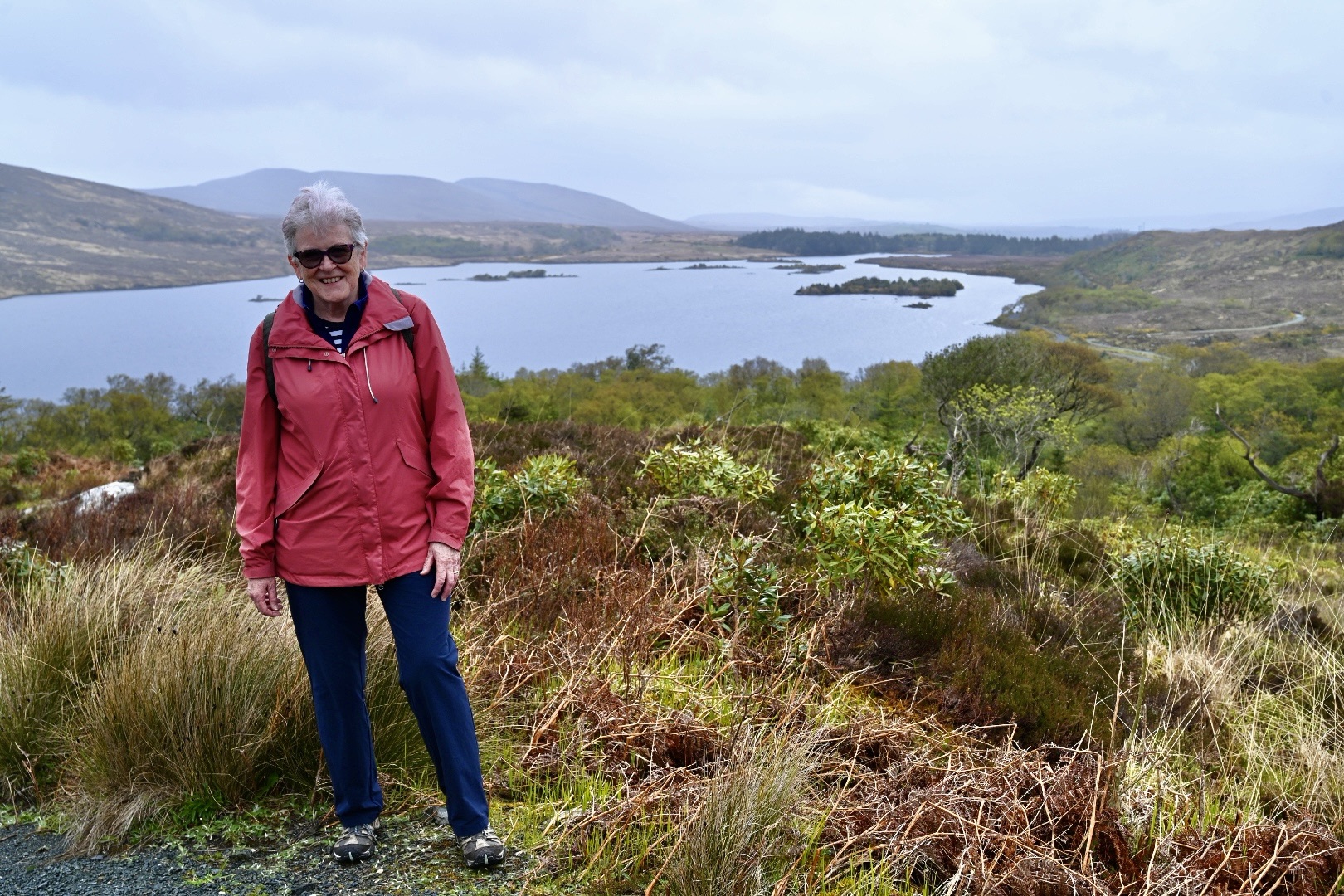
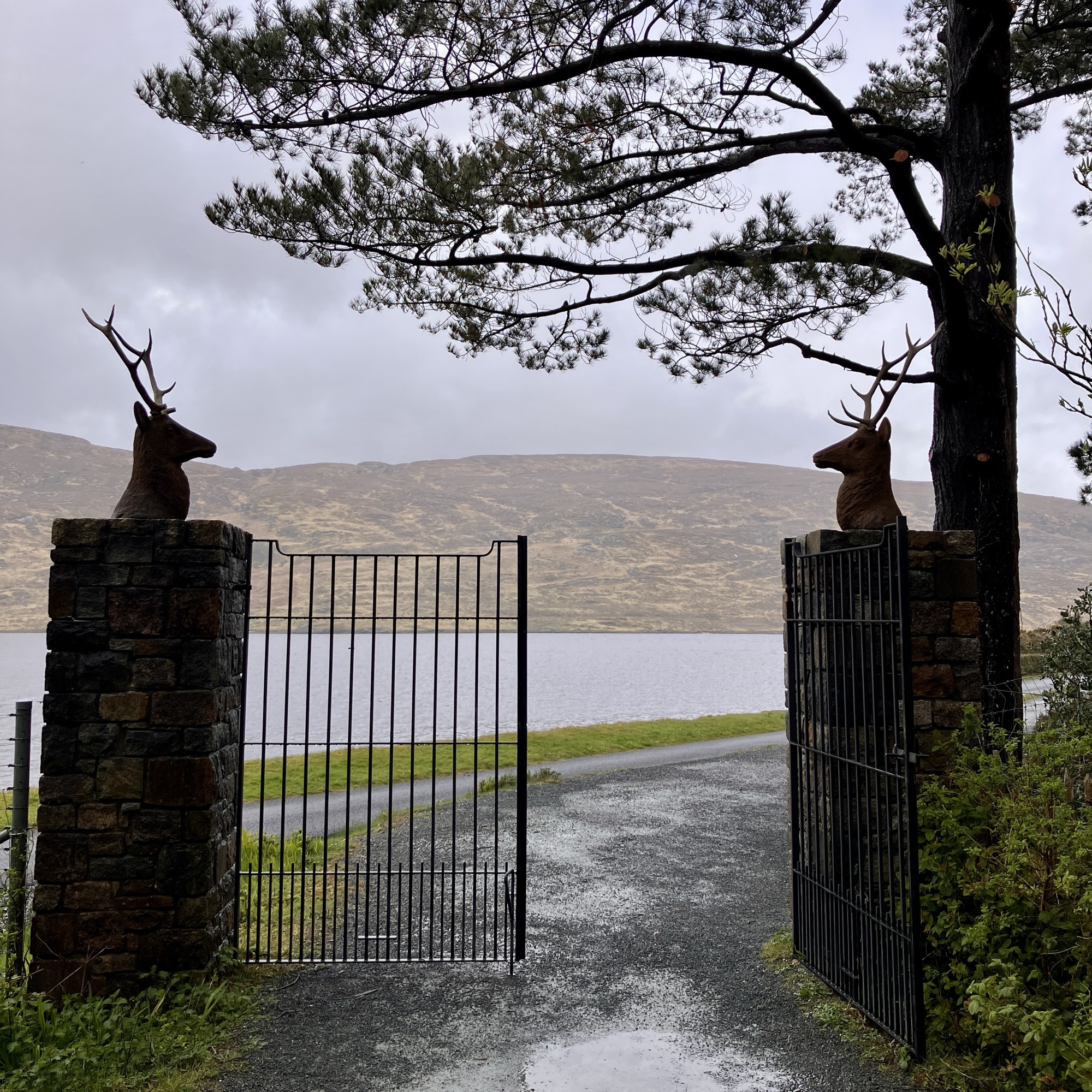
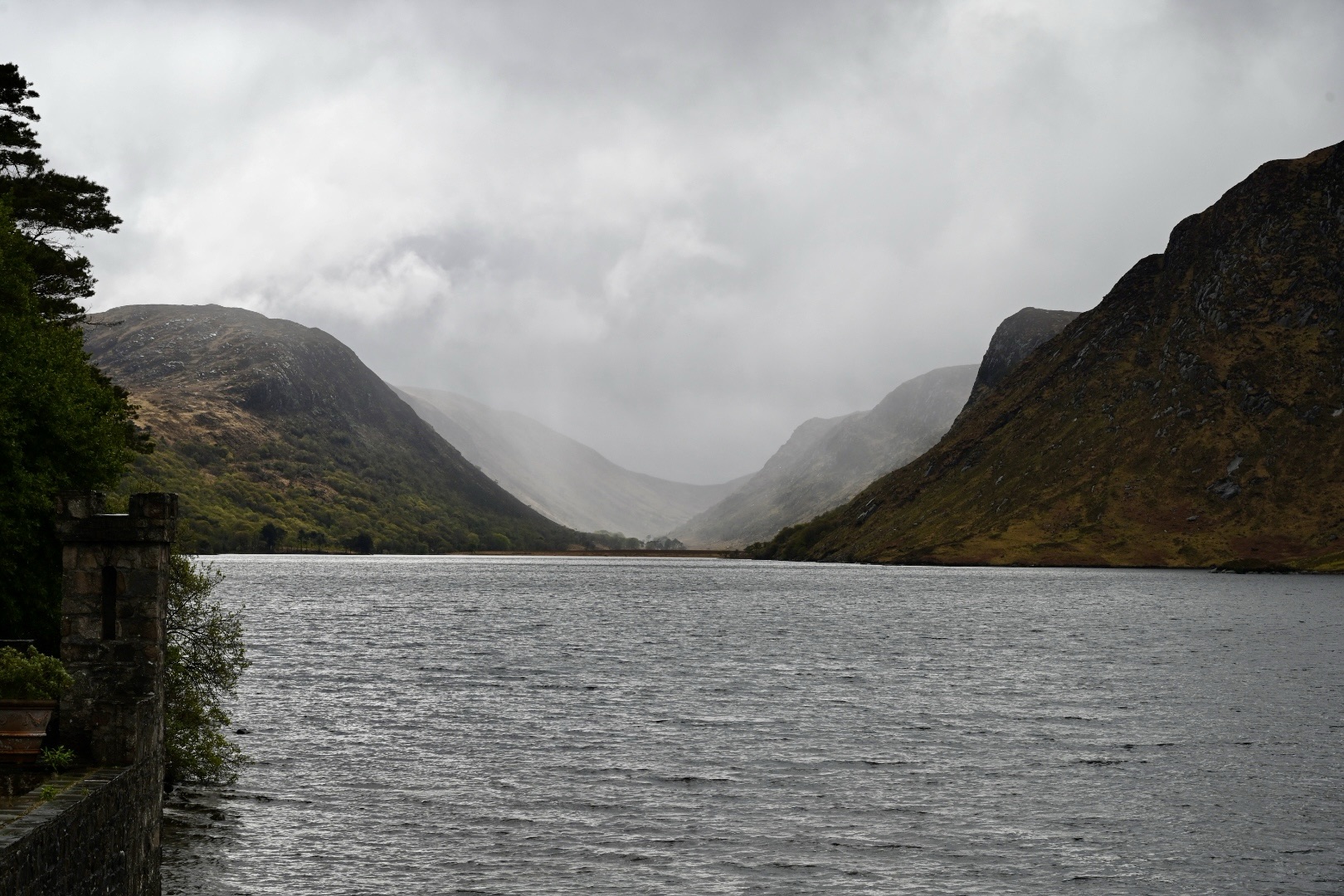
Glenveagh Castle, overlooking Lough Veagh, was built in the 1870s by the Adair family. Today it and its surrounding gardens are part of a National Park. We visited on a rather dreich day but the pink rhododendrons gave some colour.
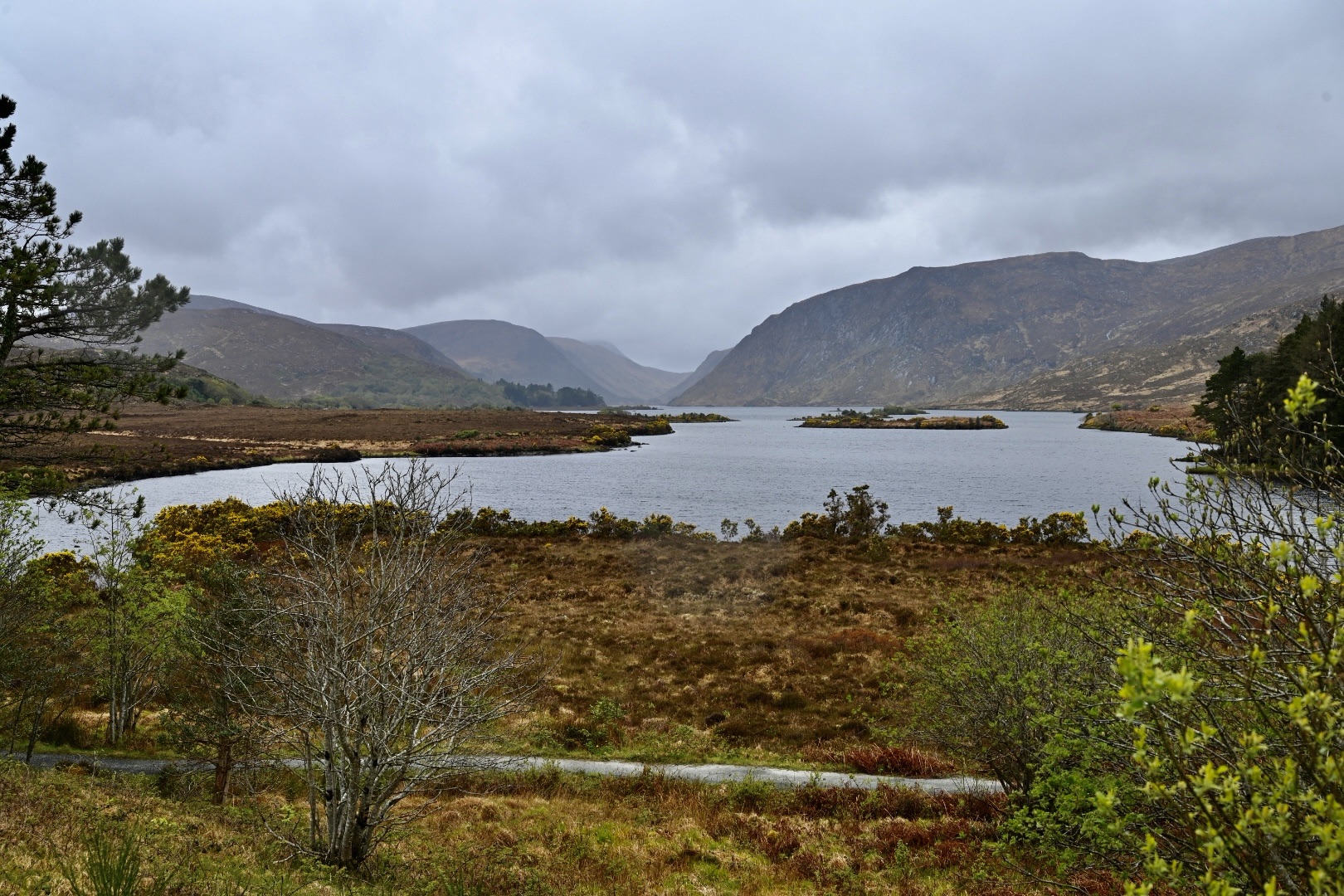
Narin / Portnoo
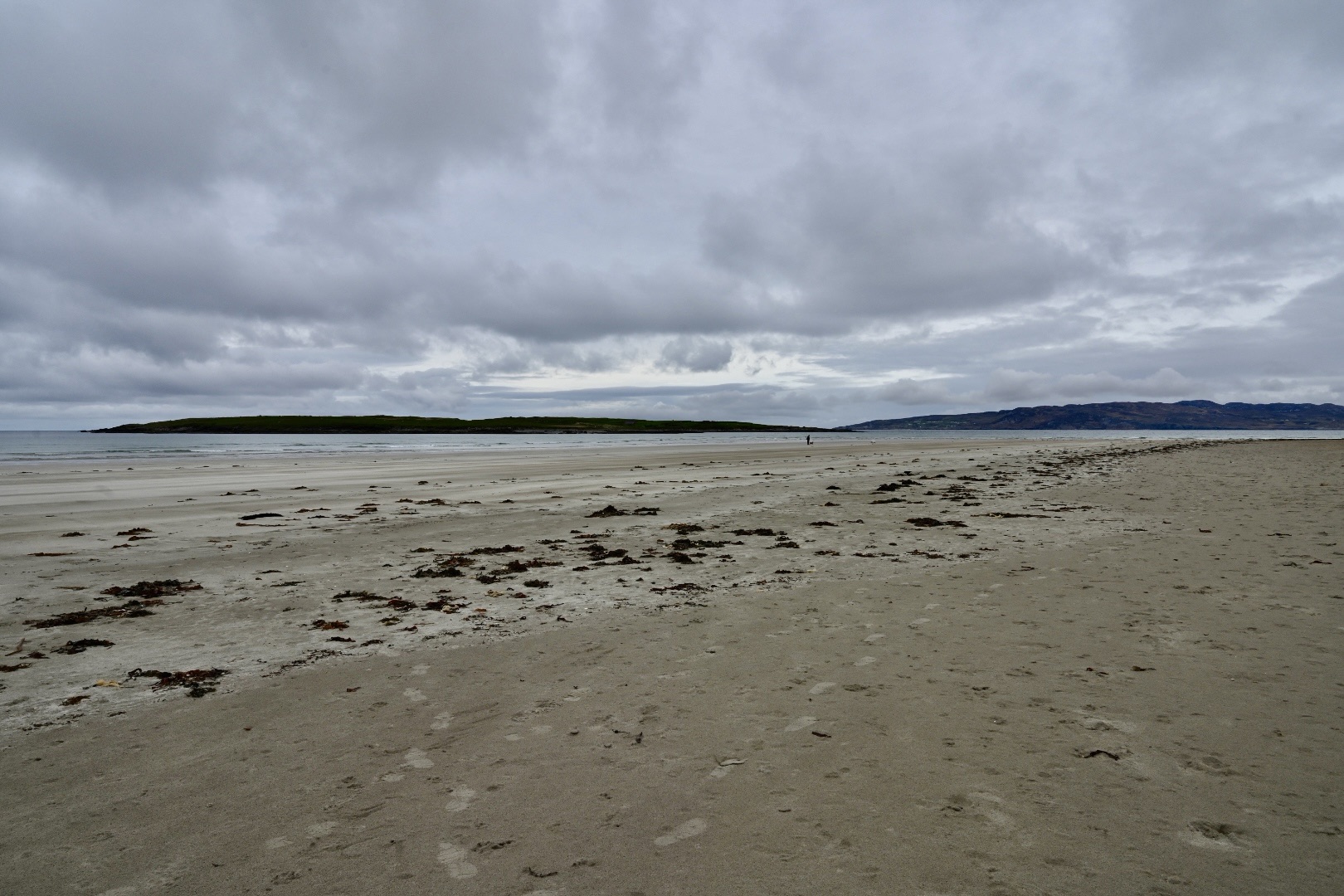
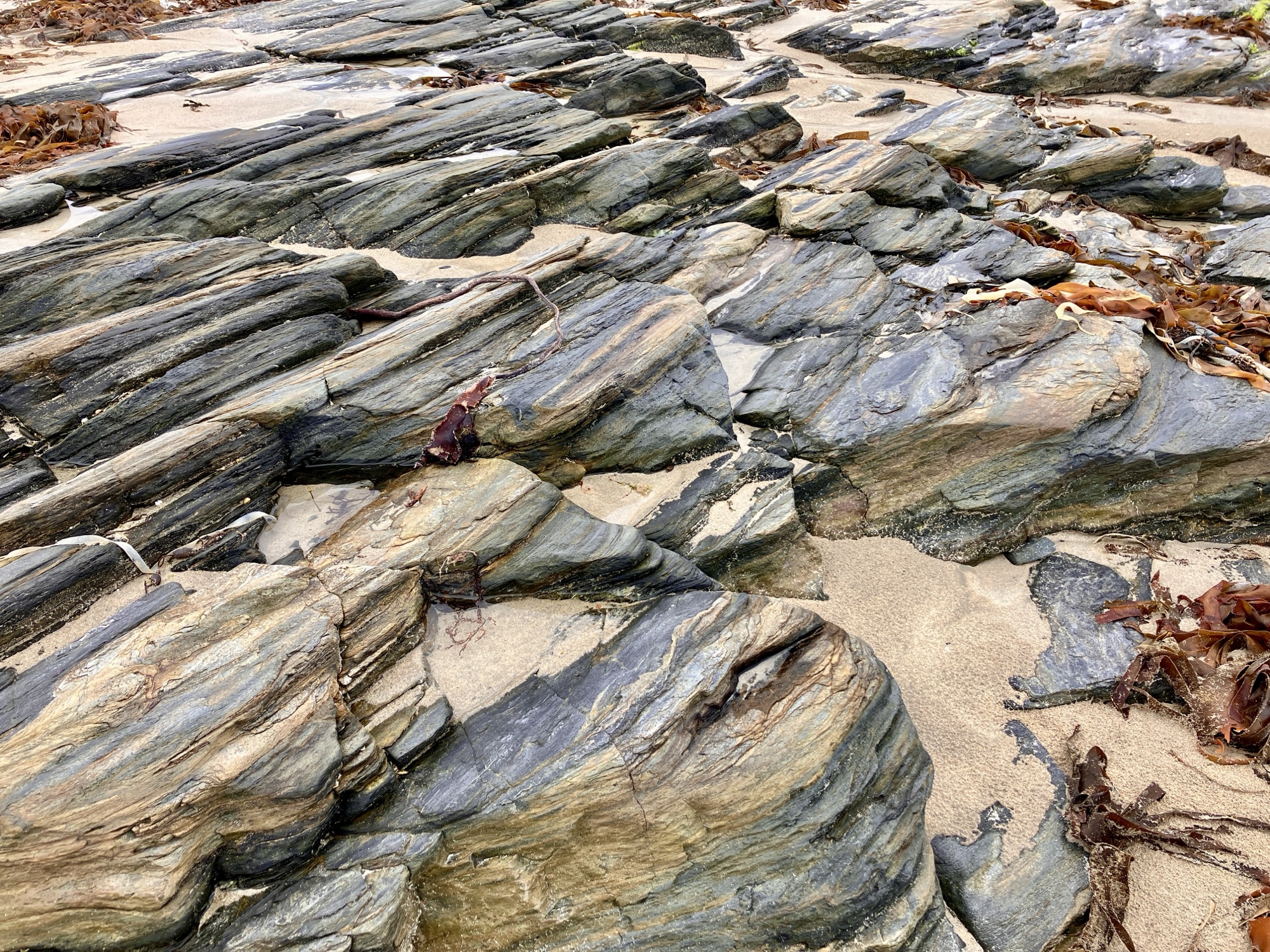
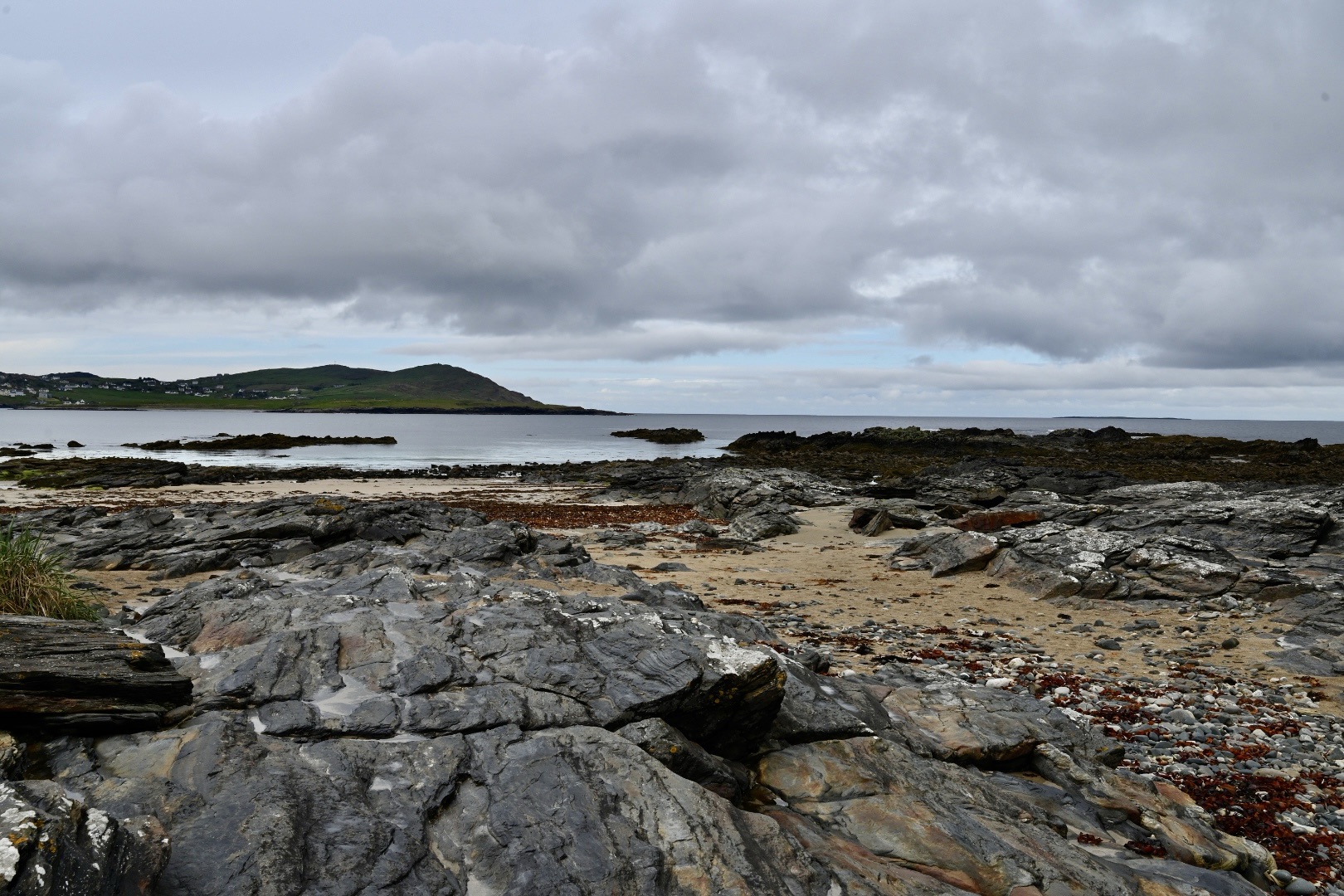
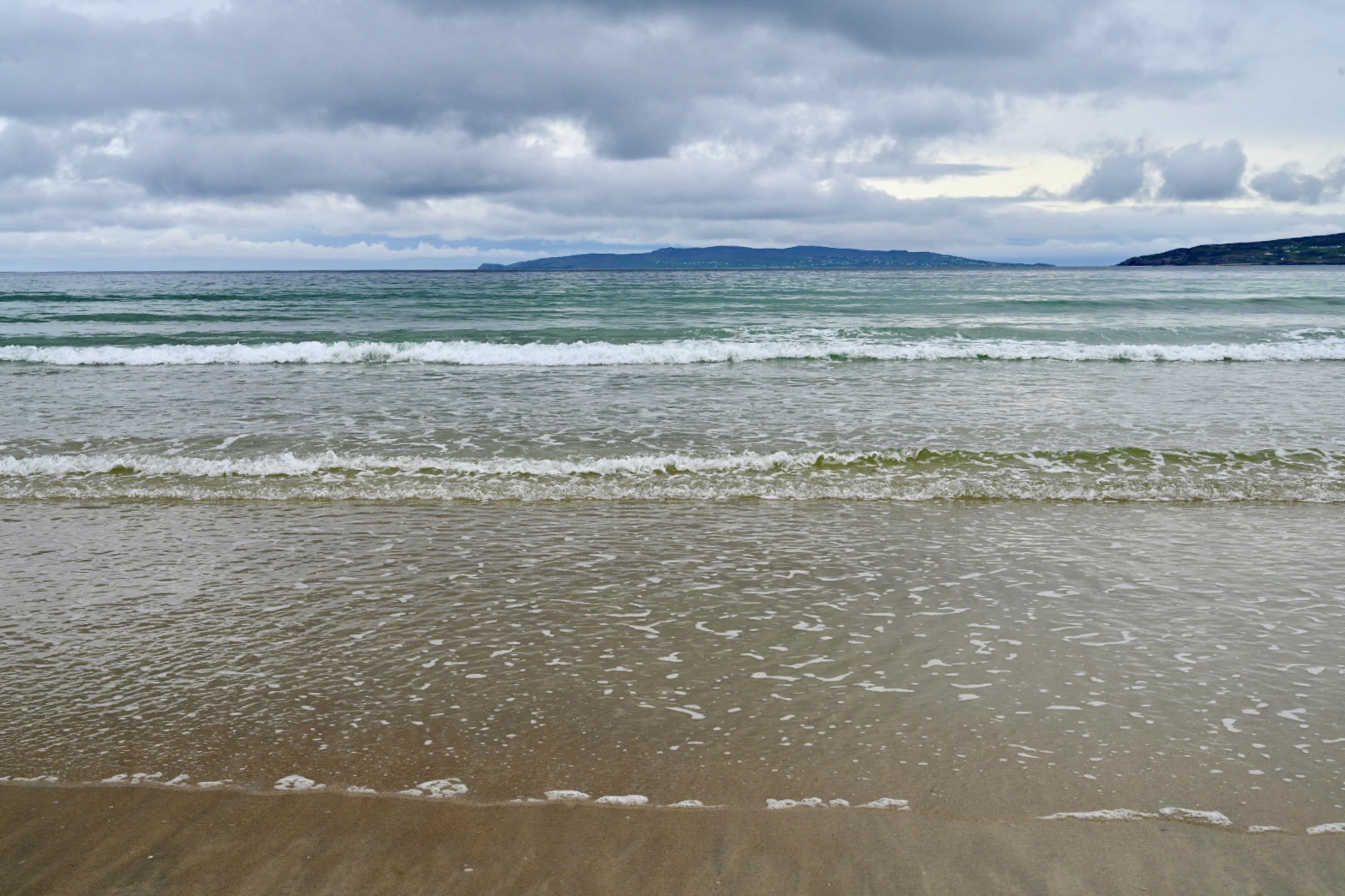
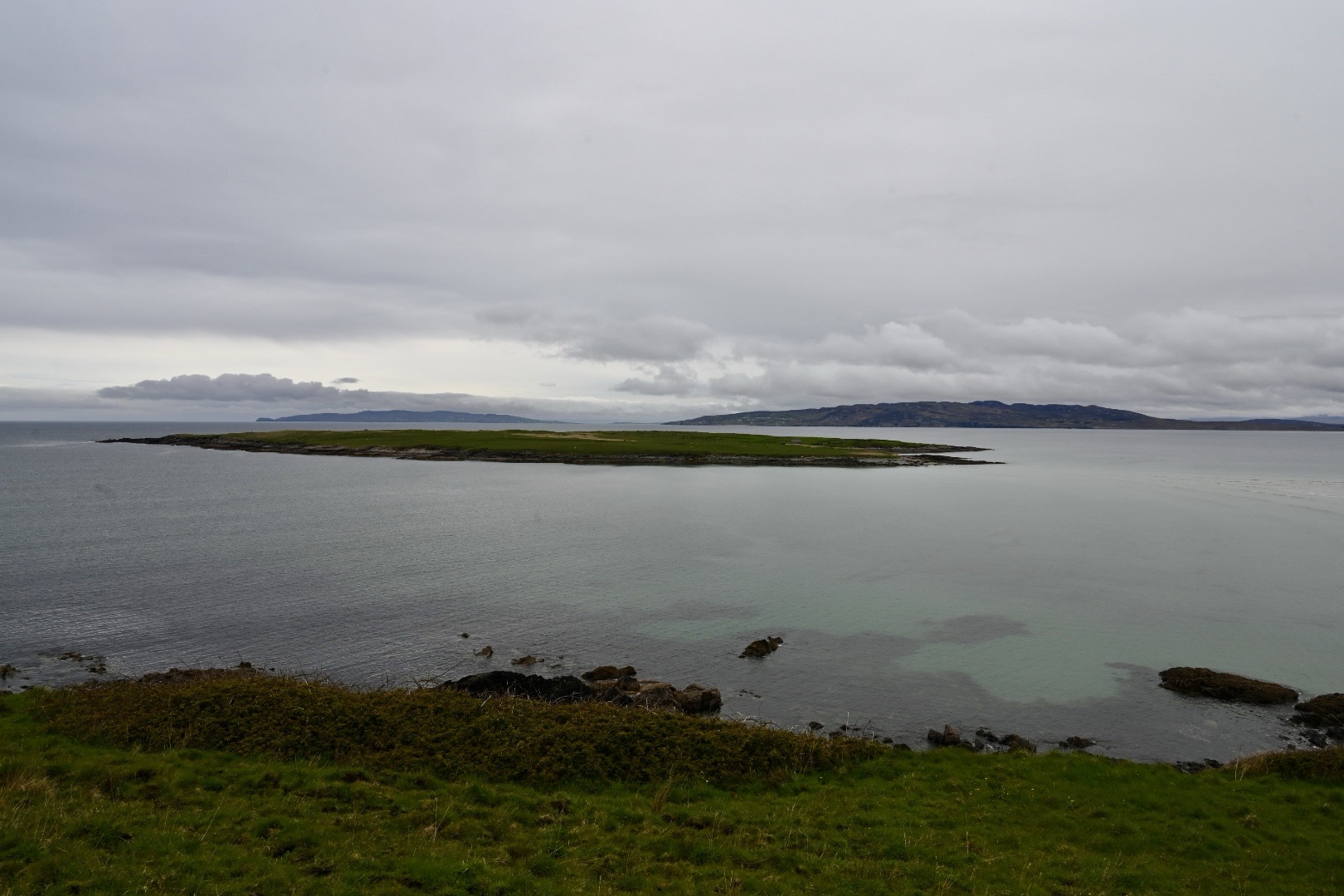
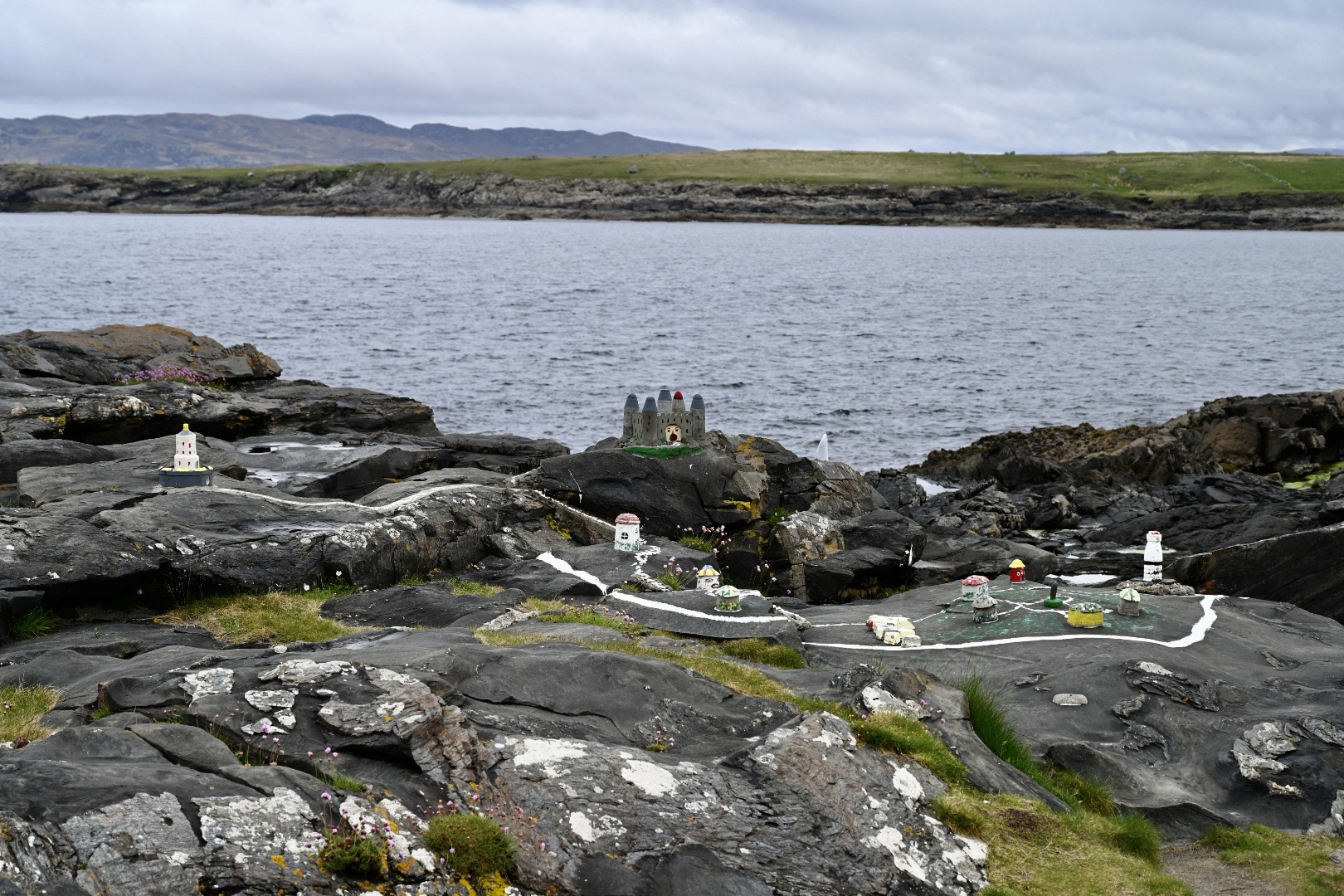
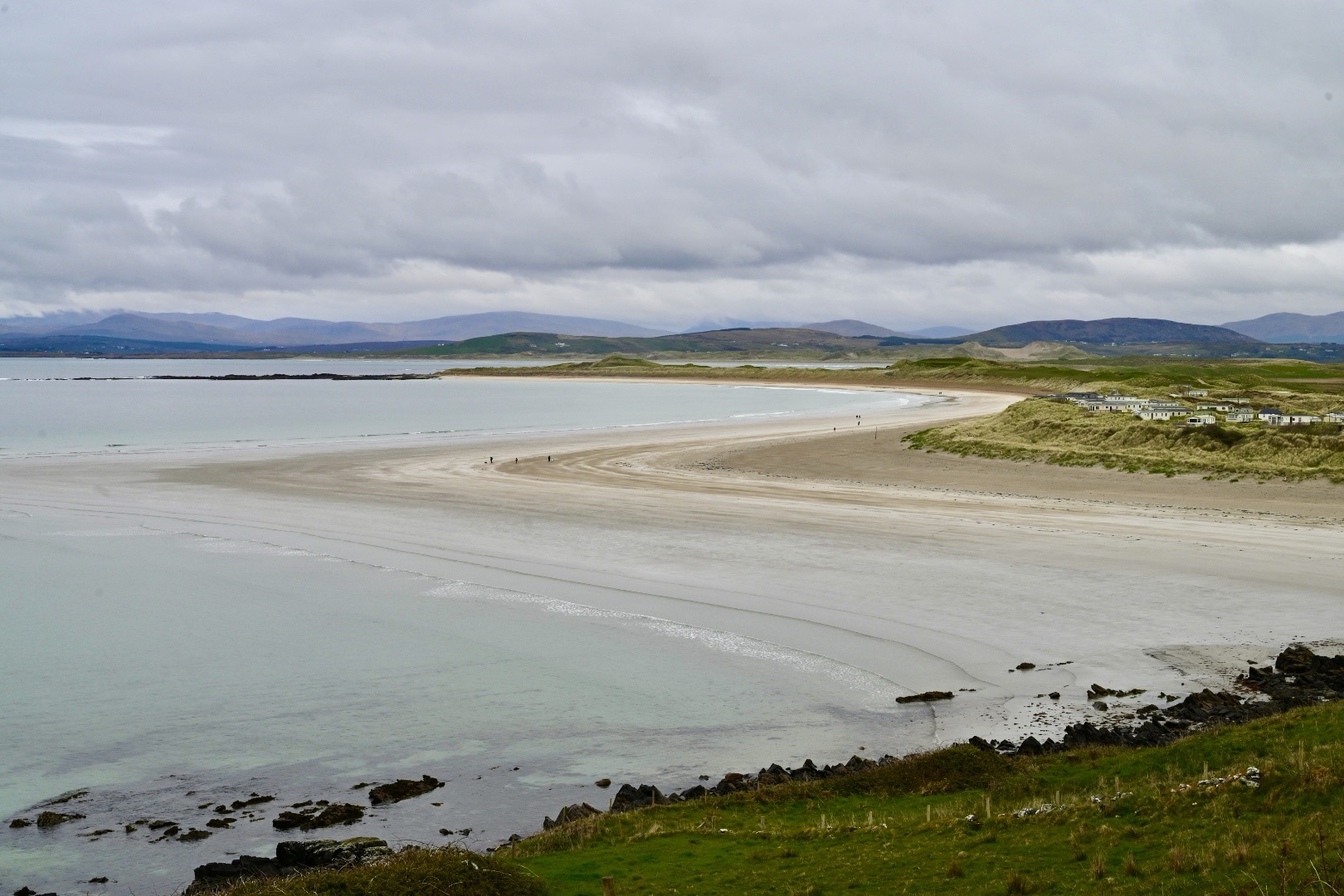
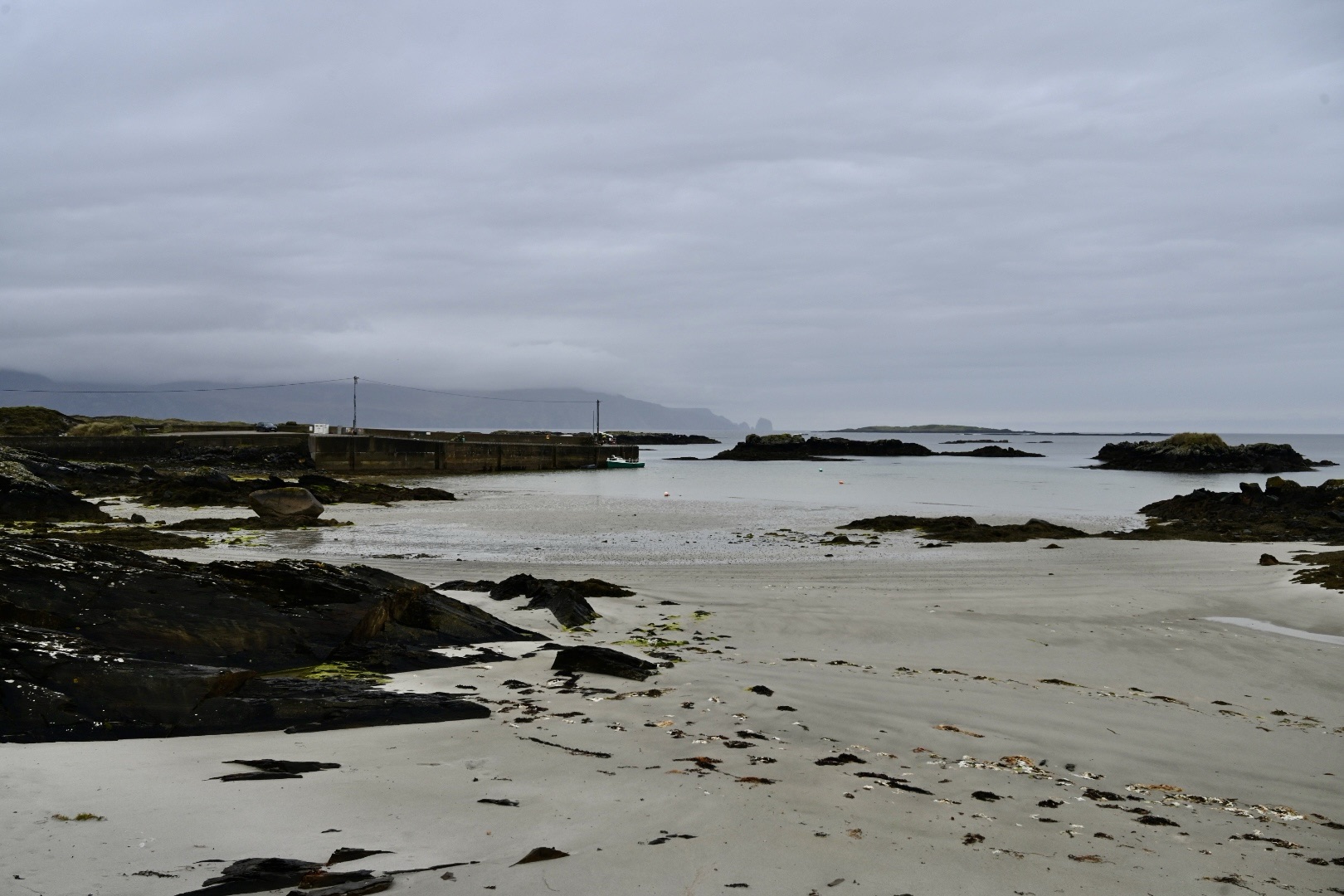
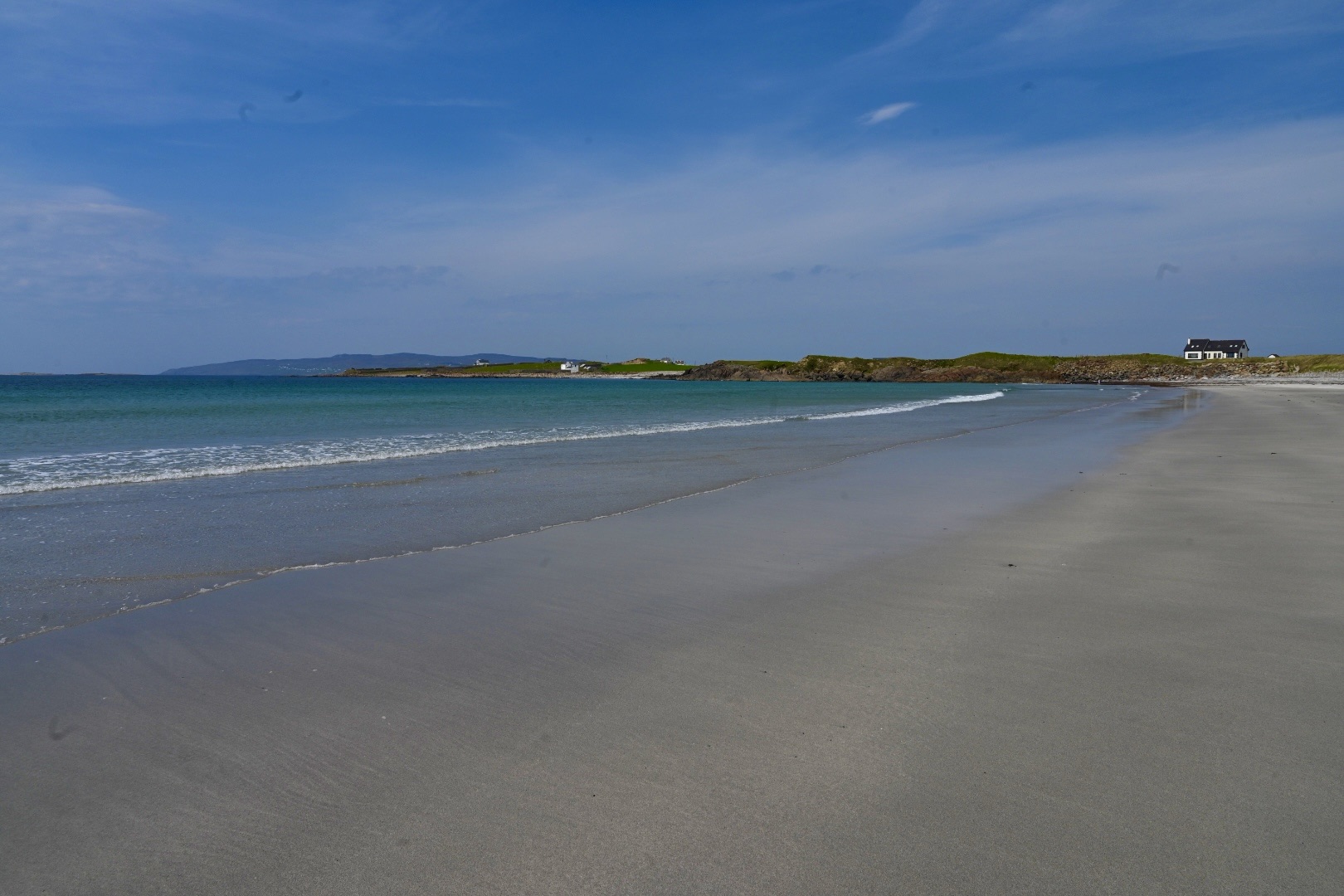
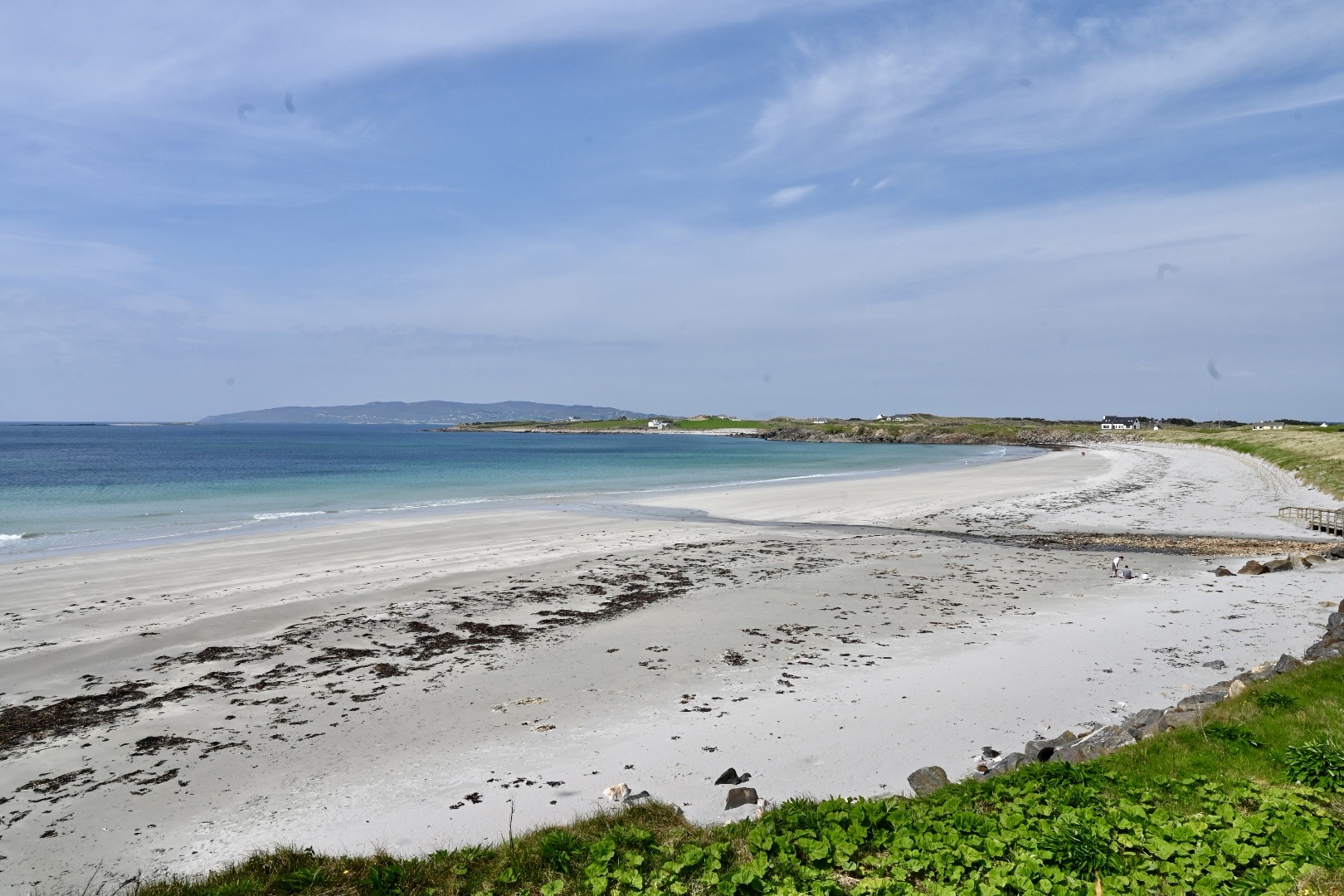
Two beautiful beaches on another dreich, if atmospheric, day. There’s even a little fairy village.
Slieve League
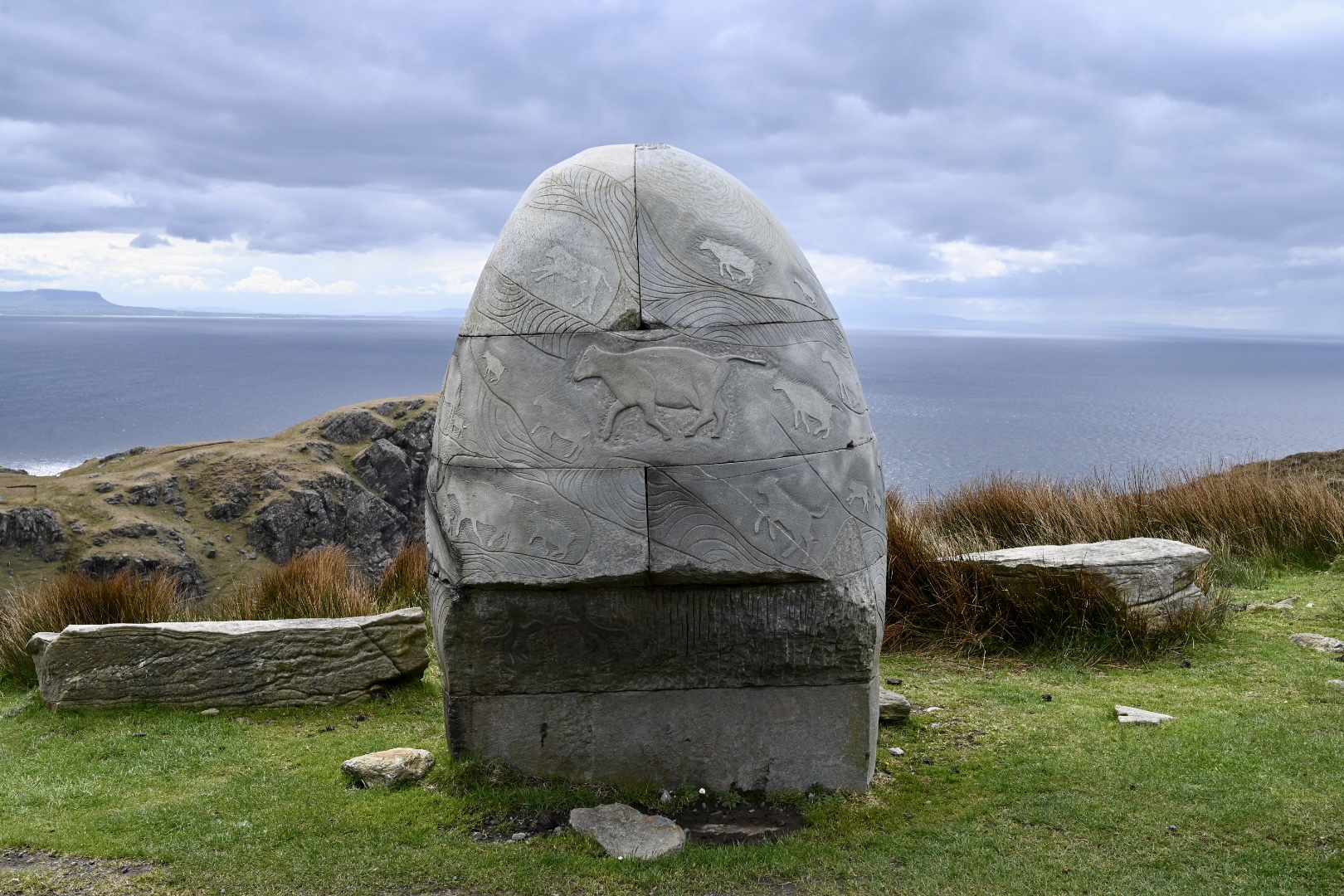
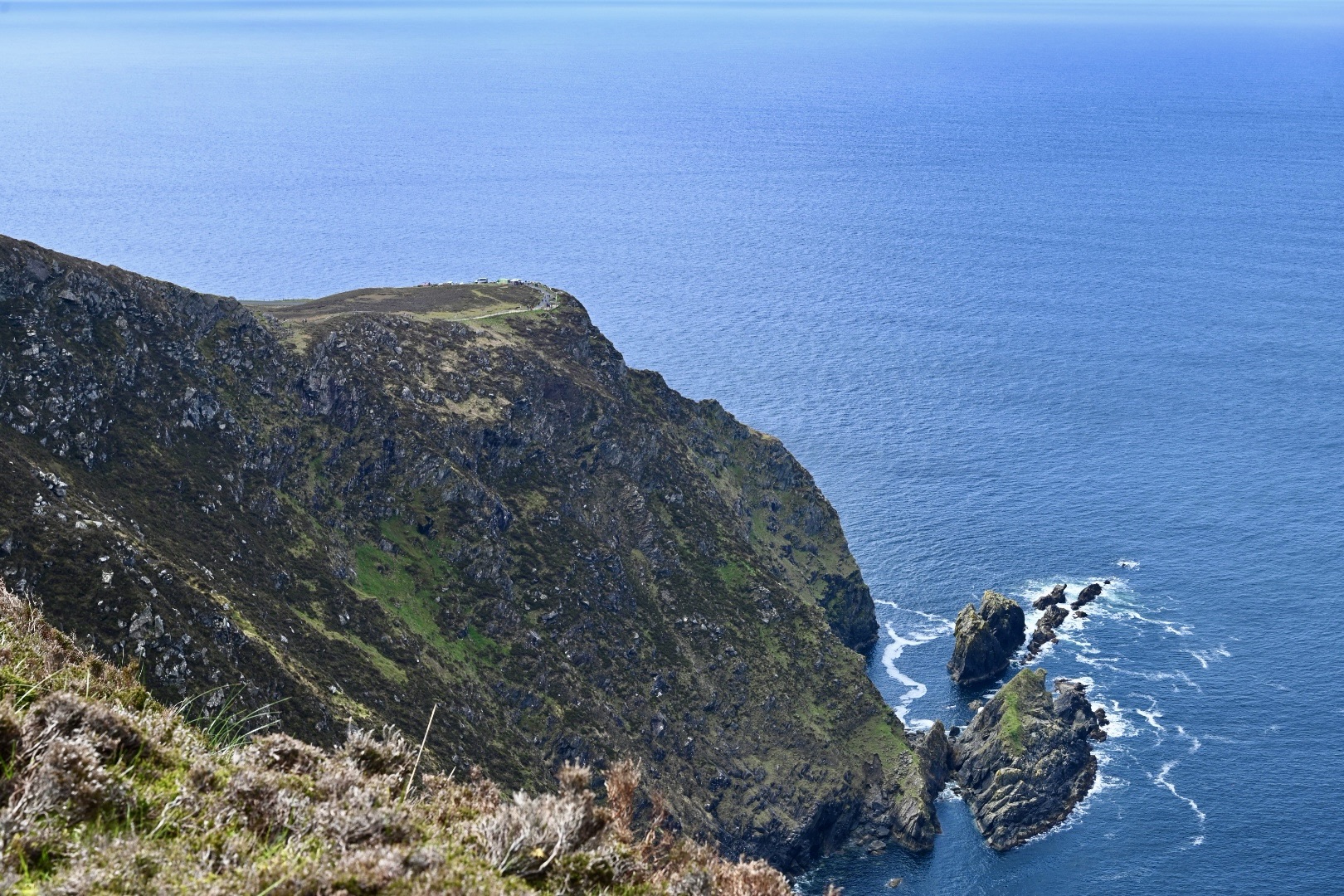
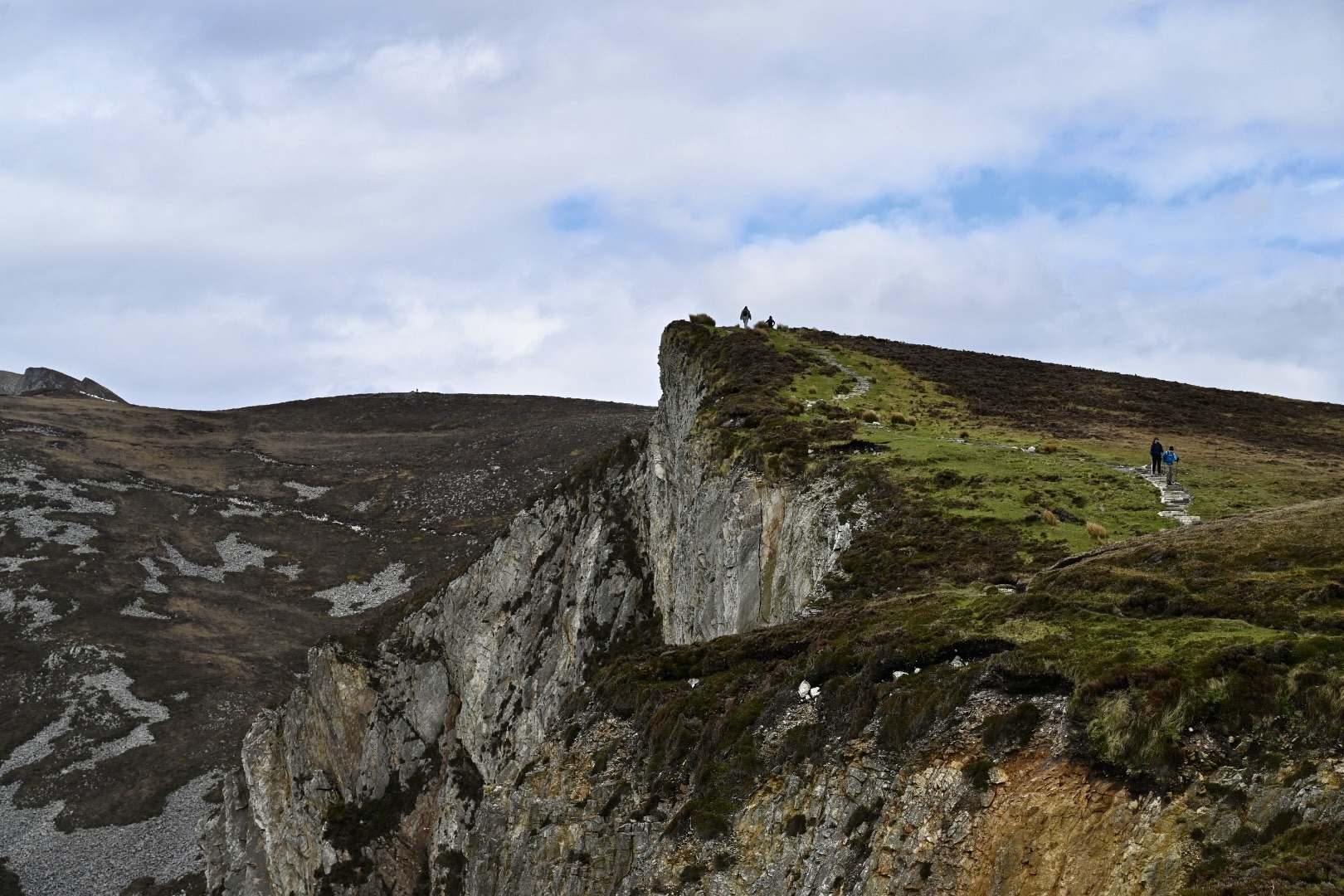
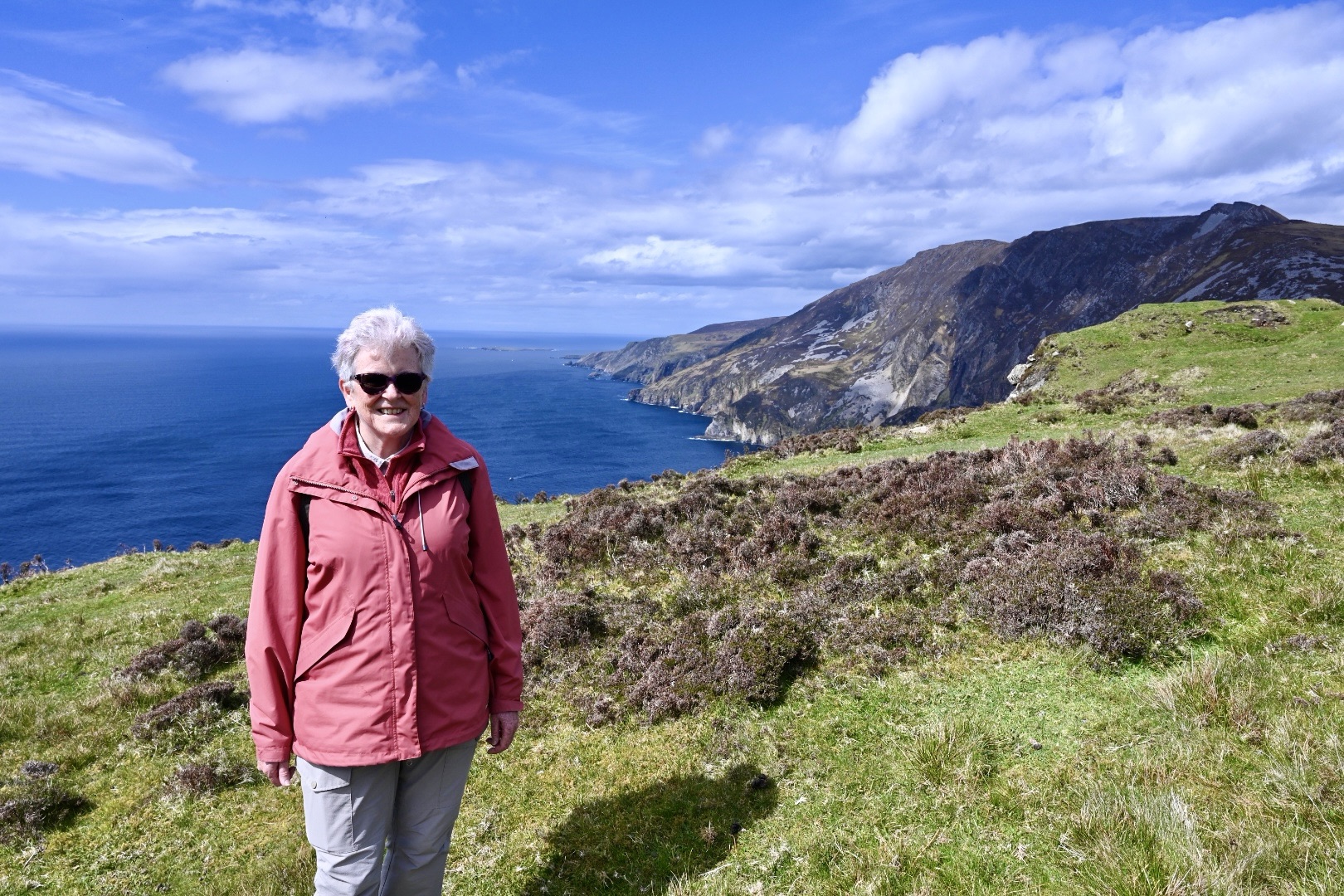
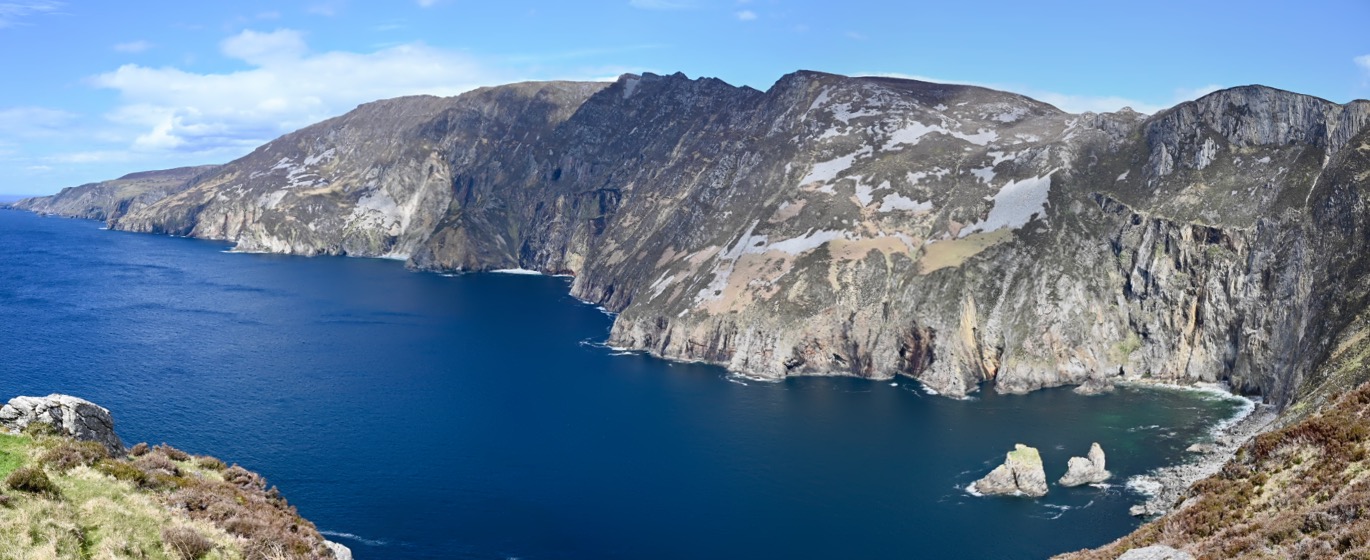
Slieve League is home to some of the highest sea cliffs in Europe. We walked part of the way up and then back to the carpark.
Killybegs and Assaranca Waterfall
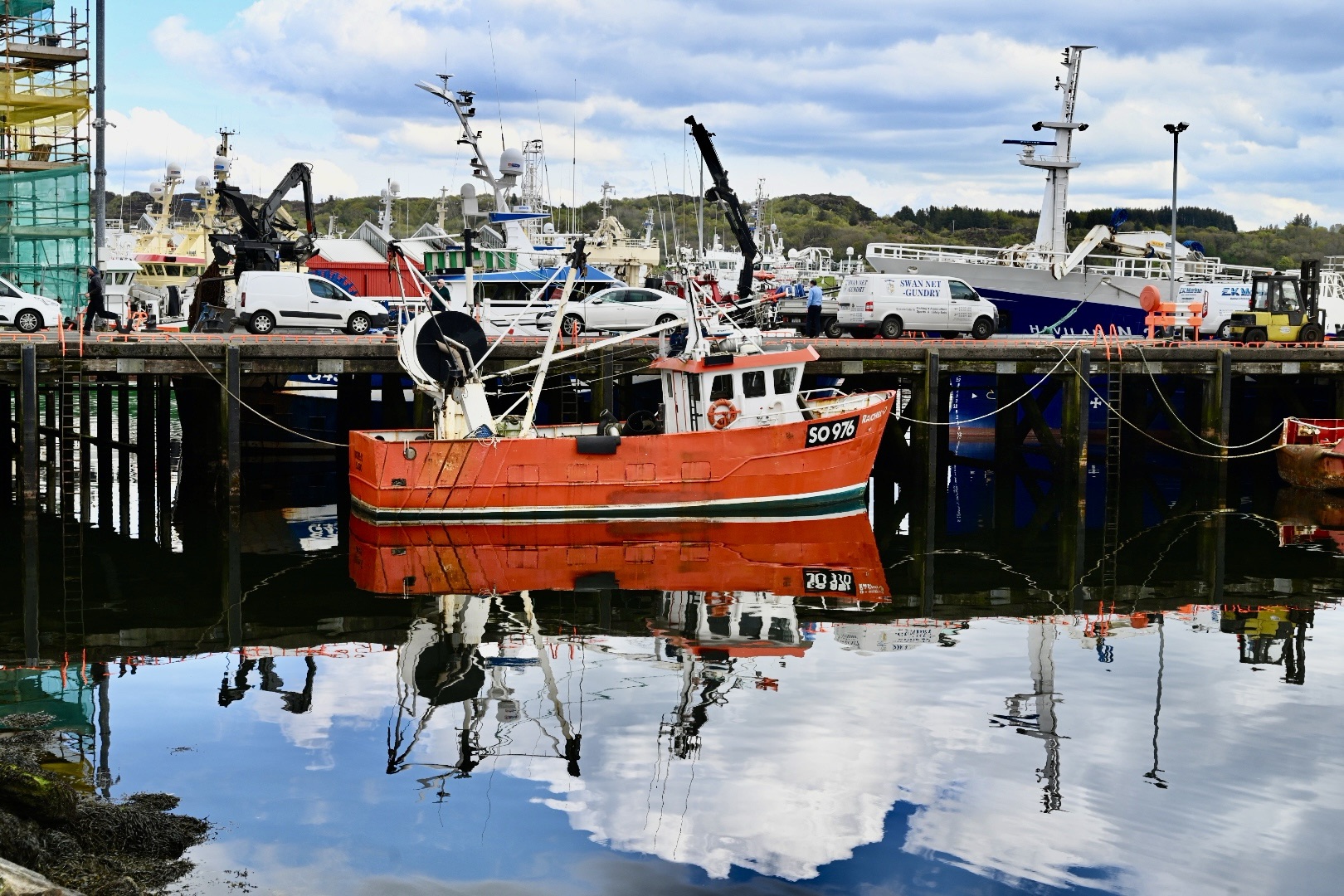
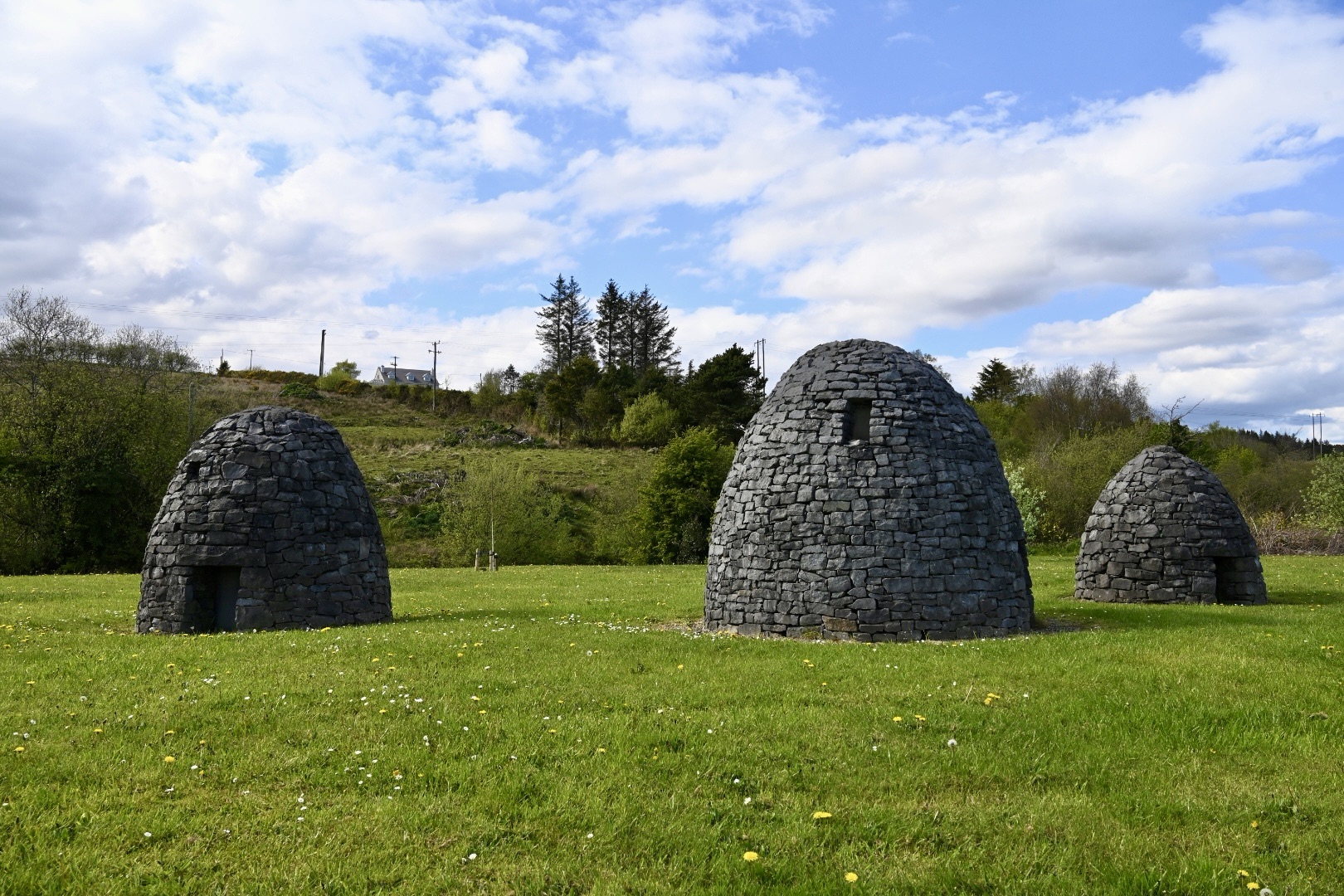
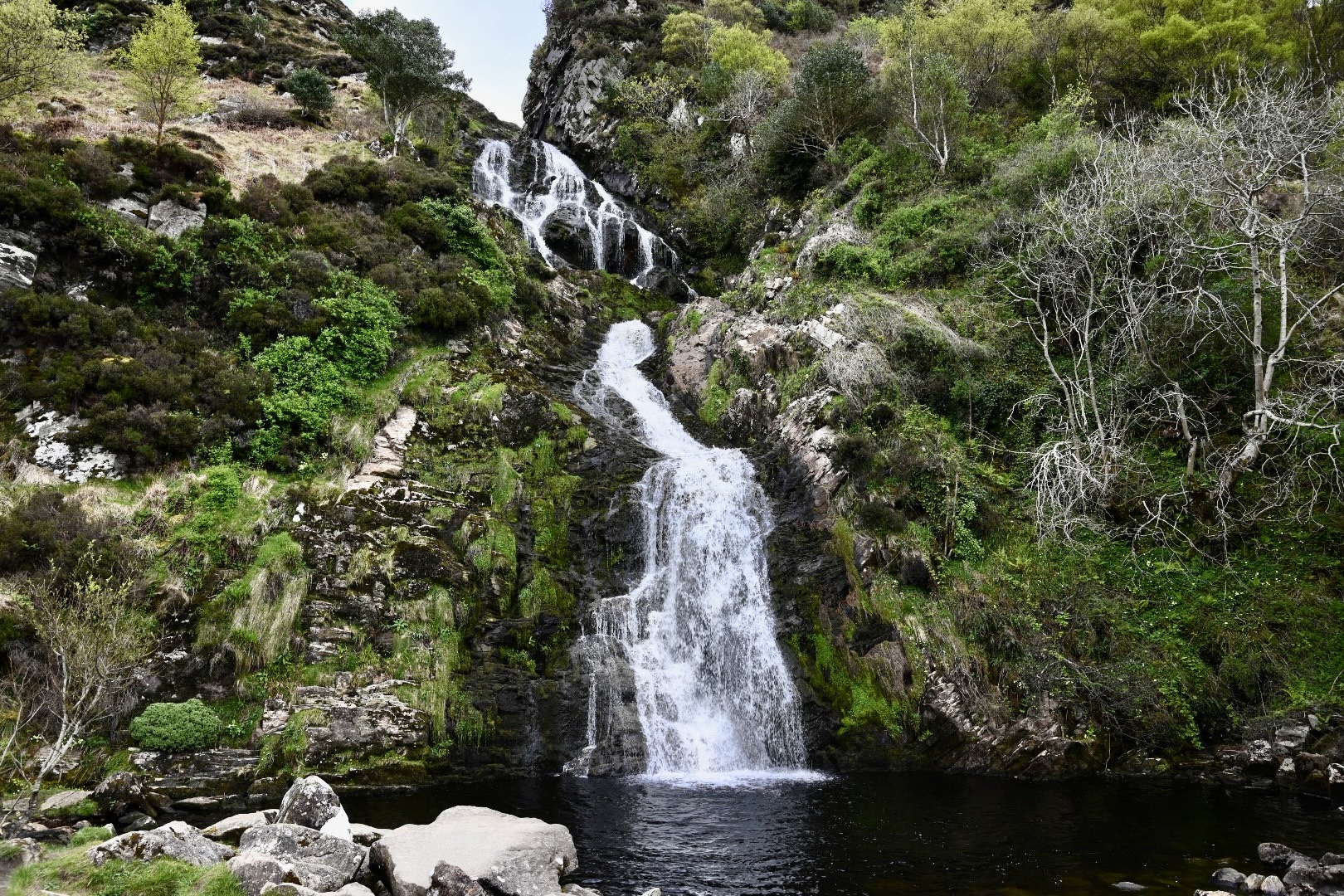
These were stops on the way back from Slieve League. Killybegs is one of Ireland’s busiest fishing ports and also has replica “Little Cells” due to an association with a 5th century monastic settlement of Coptic monks. Assaranca Waterfall is easily visited being right next to the roadside.
The Rosses
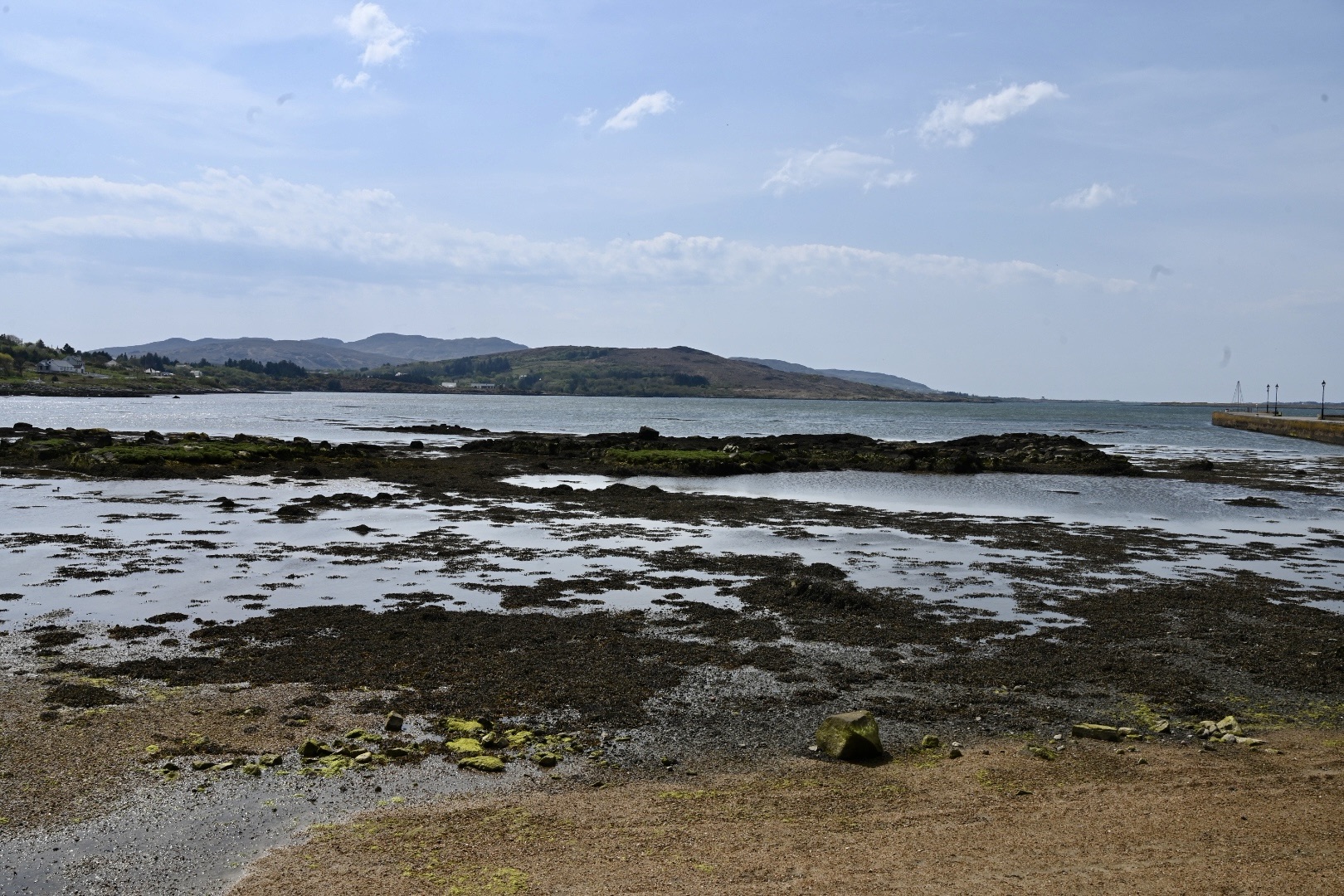
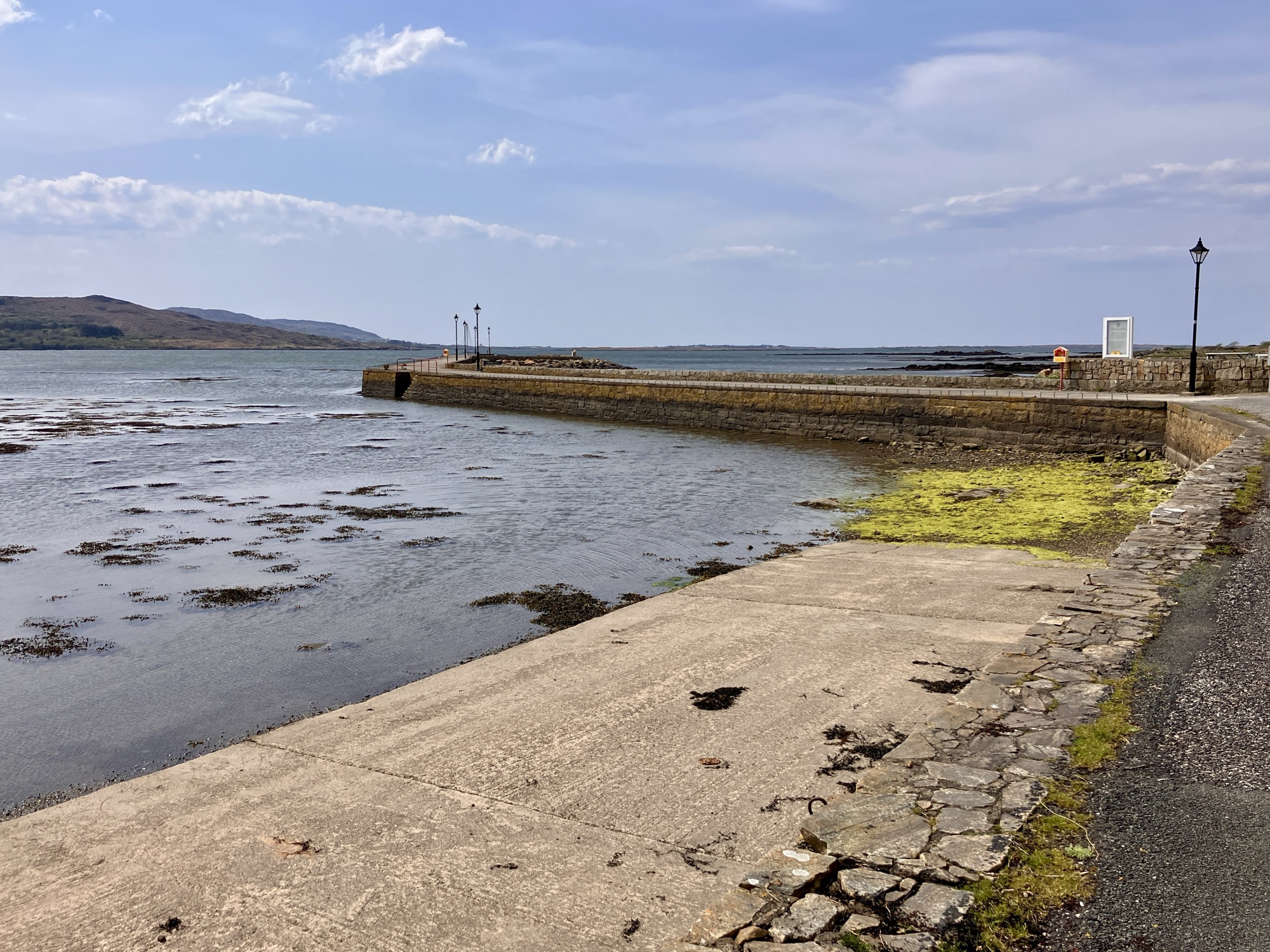
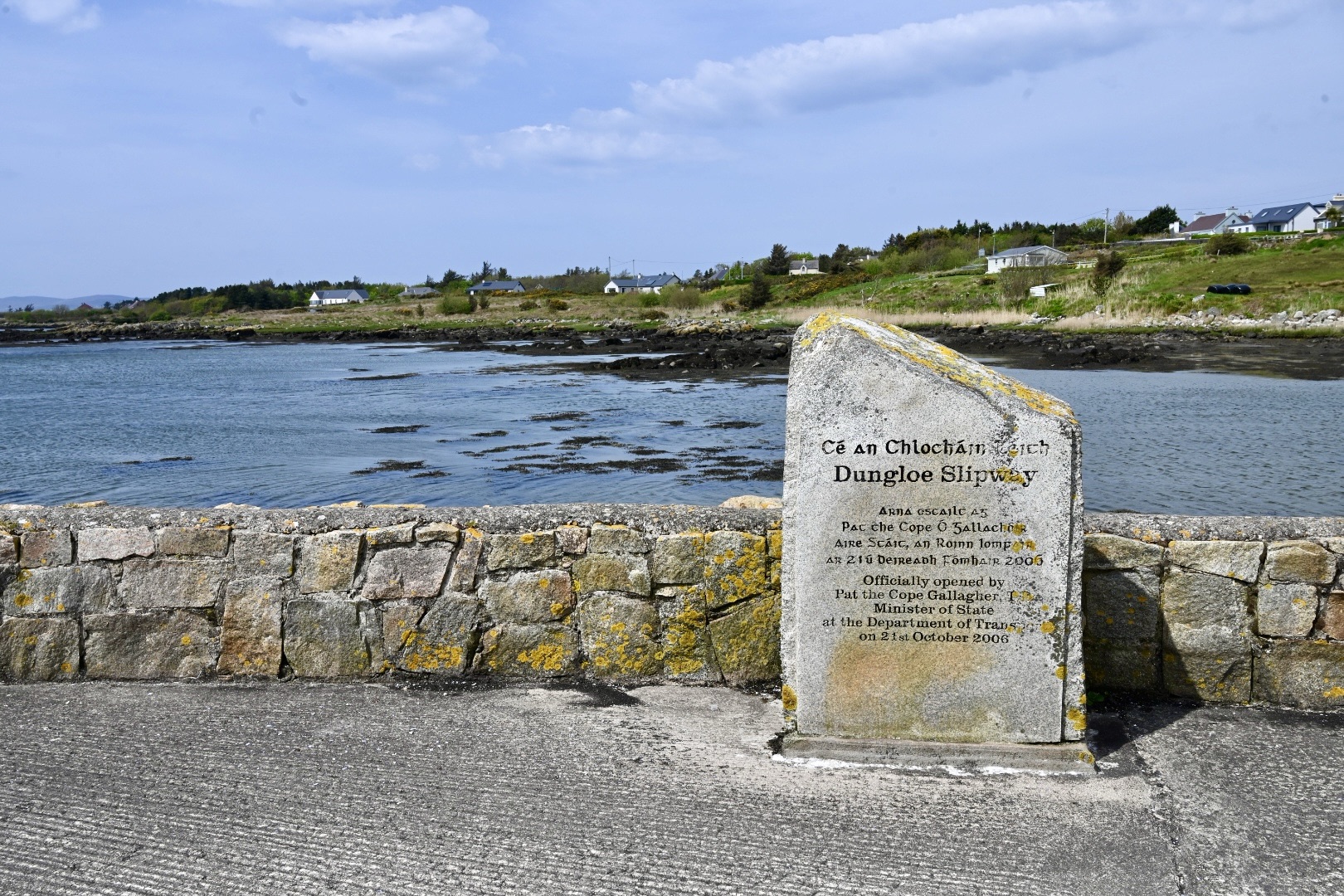
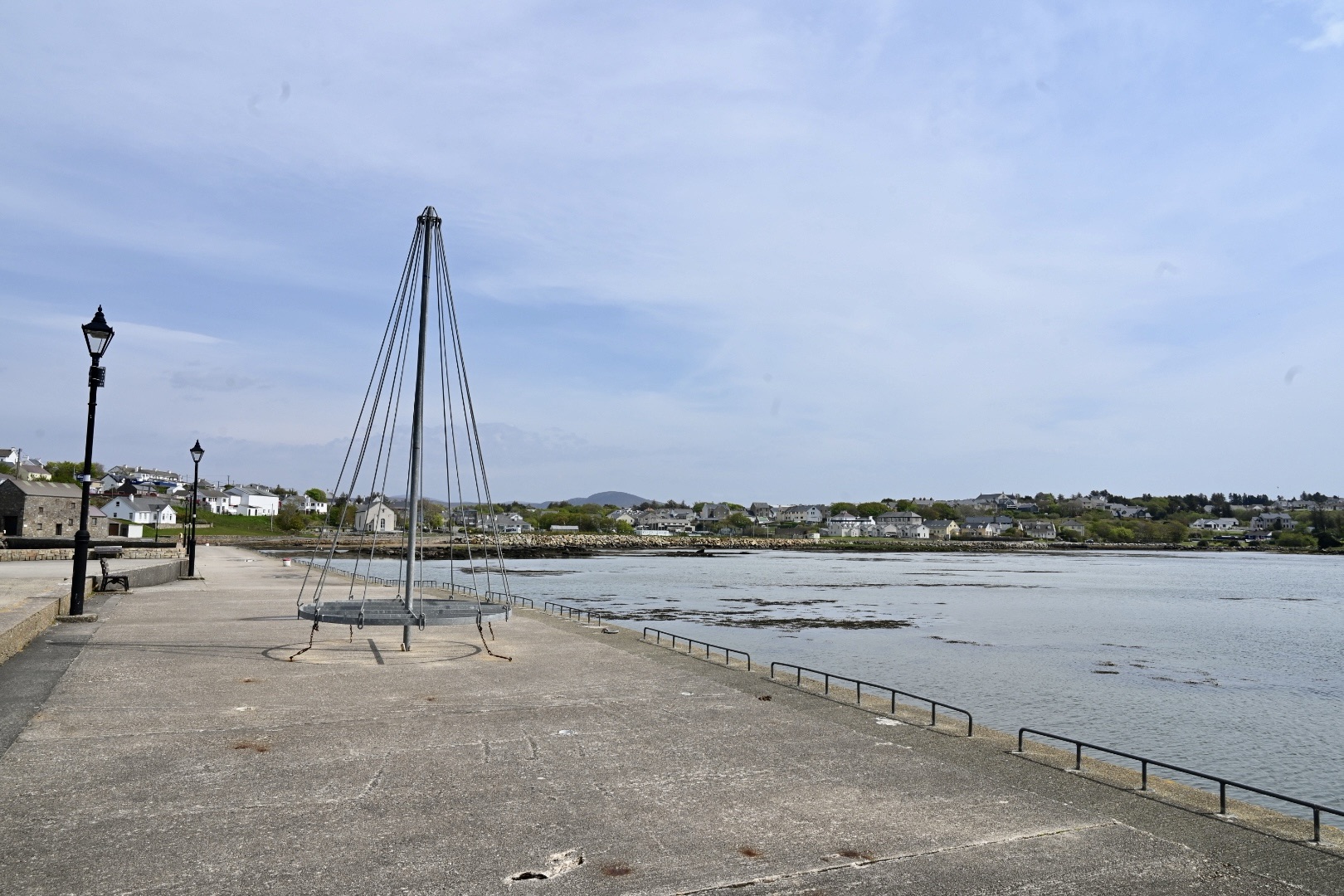
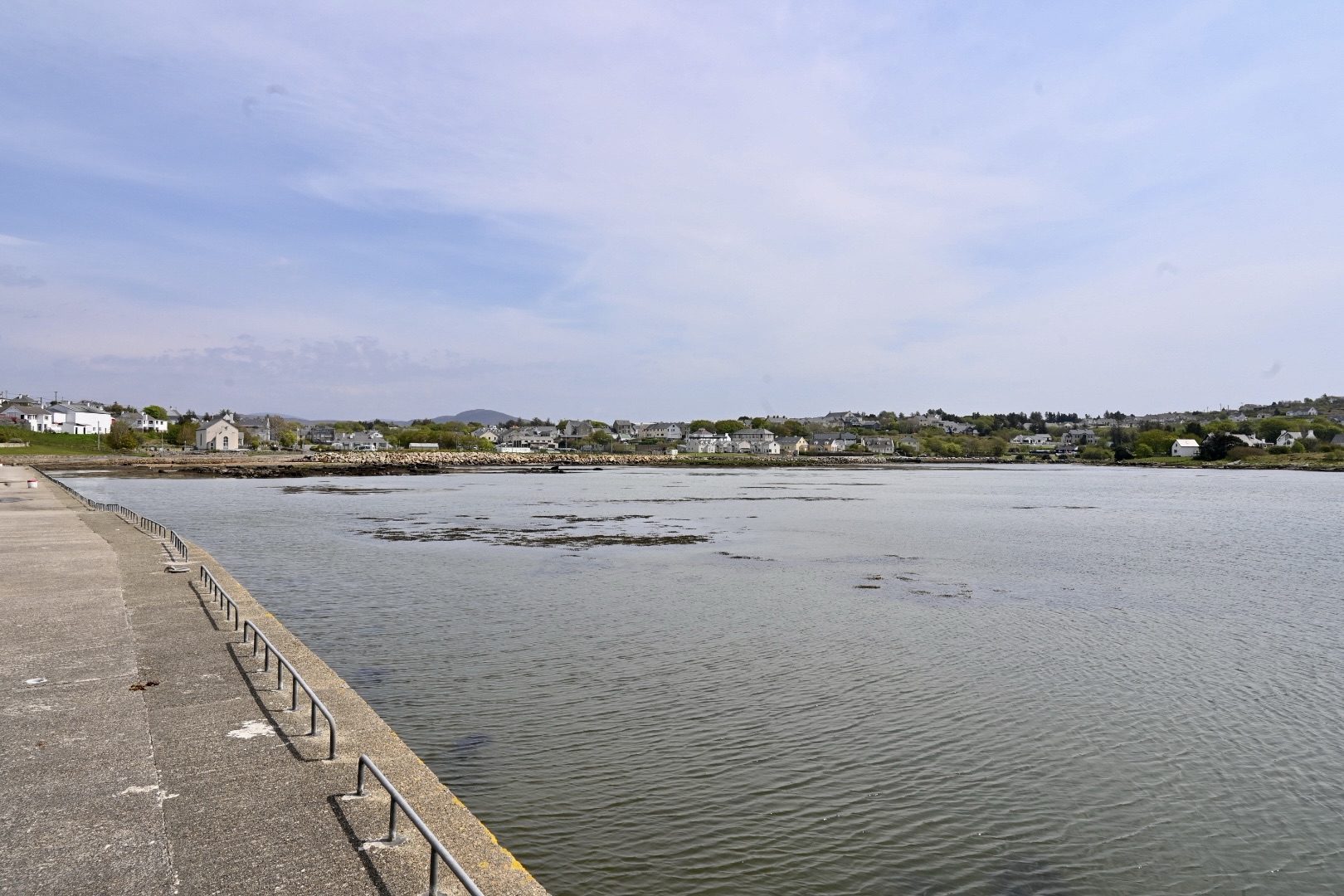
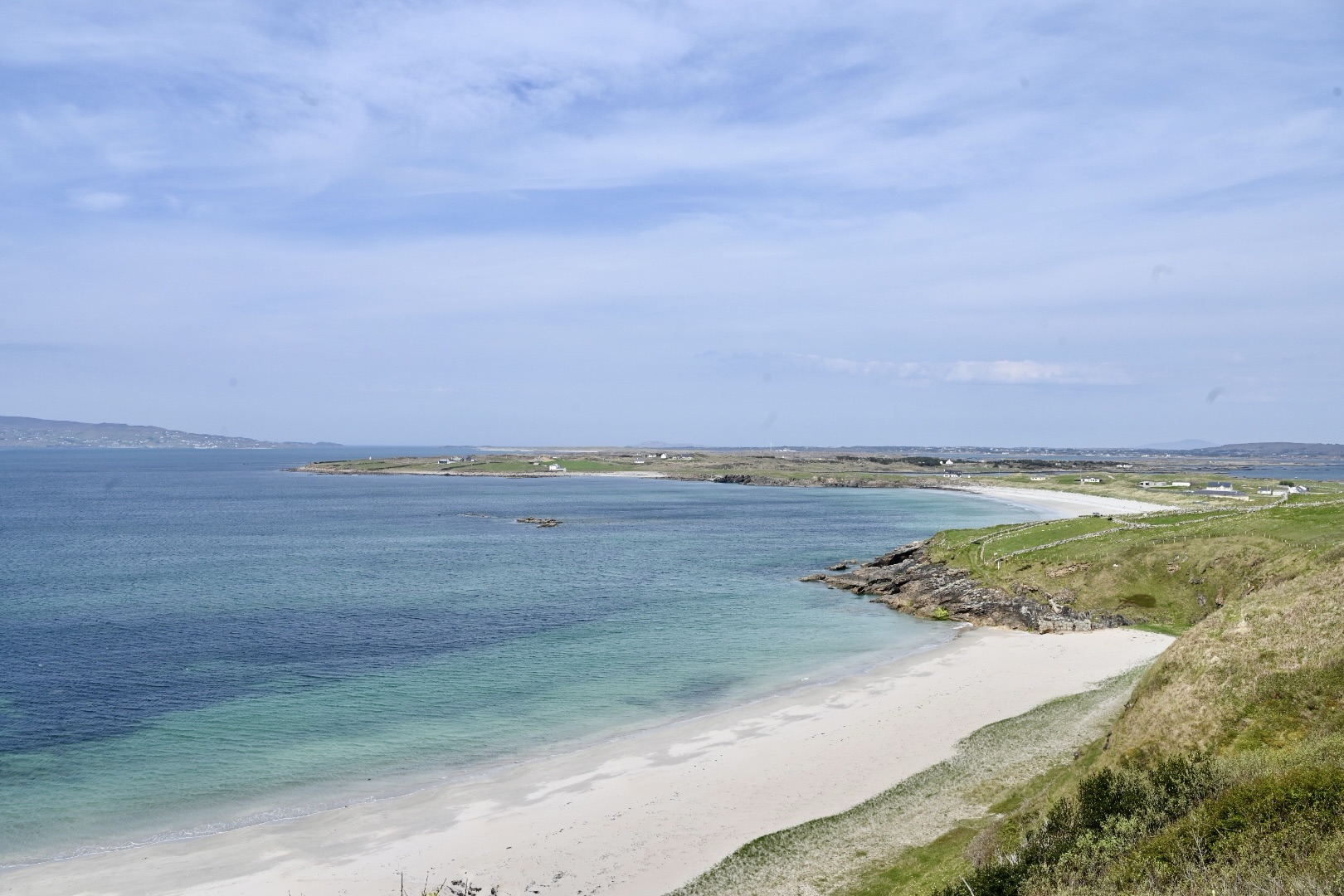
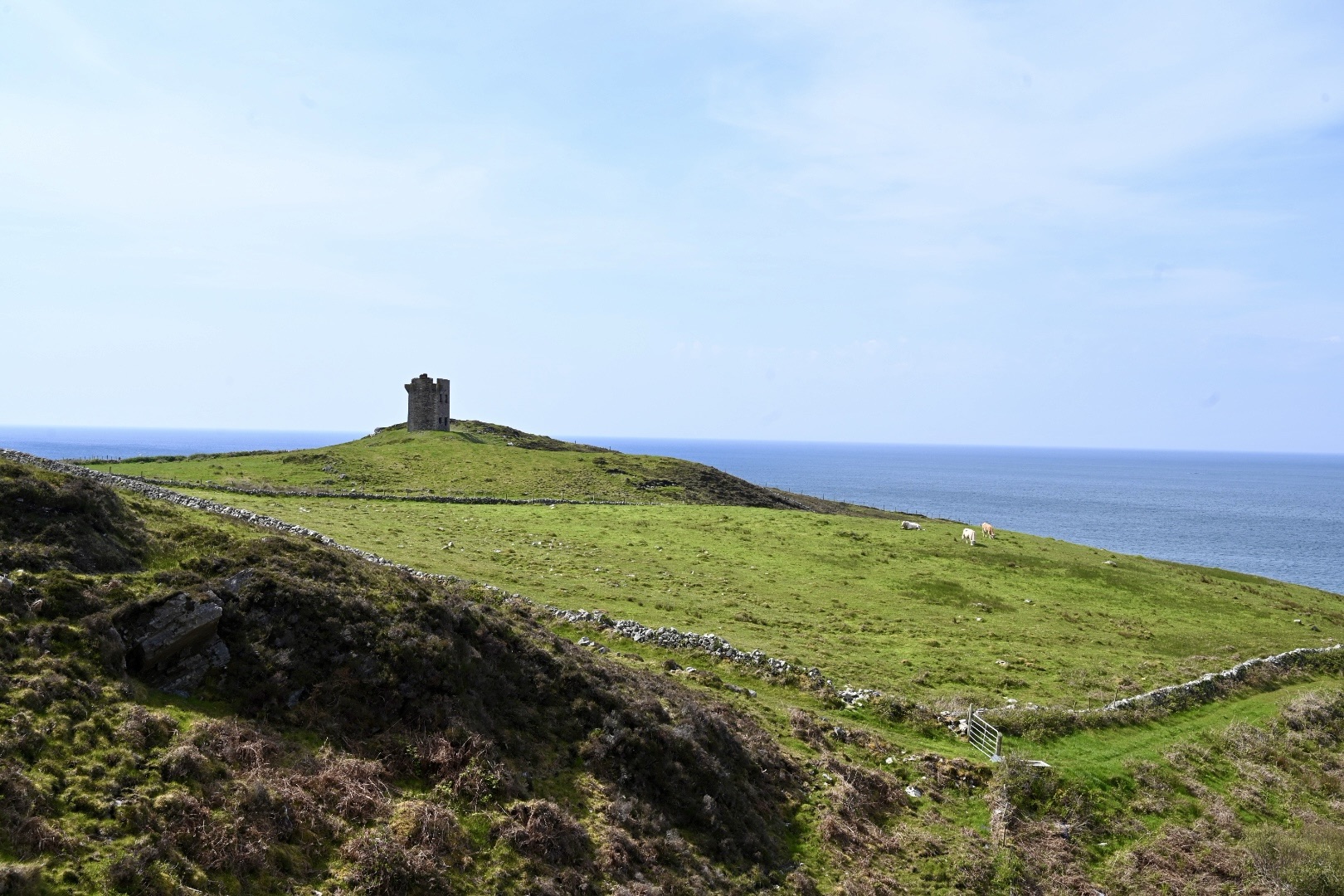
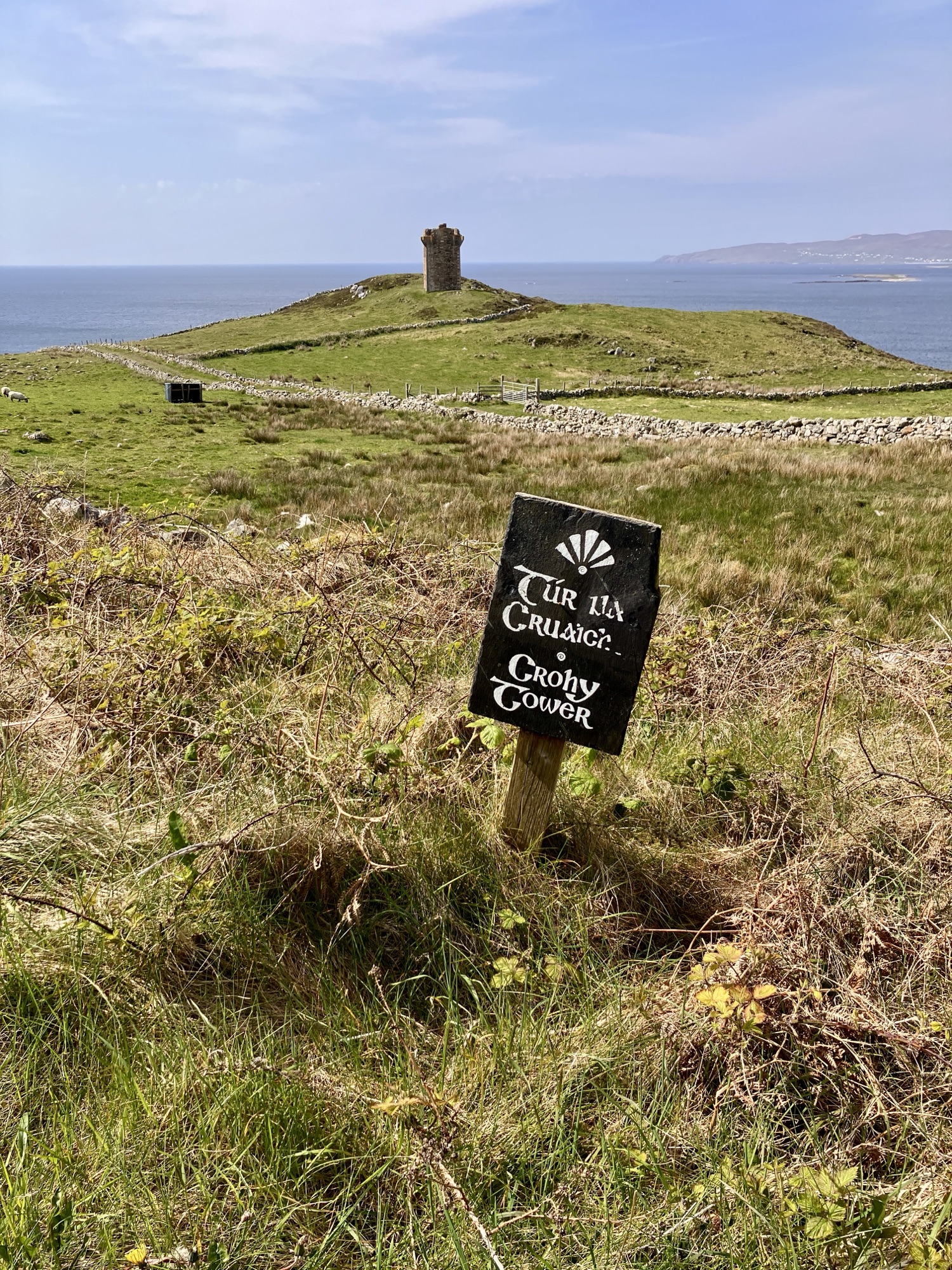
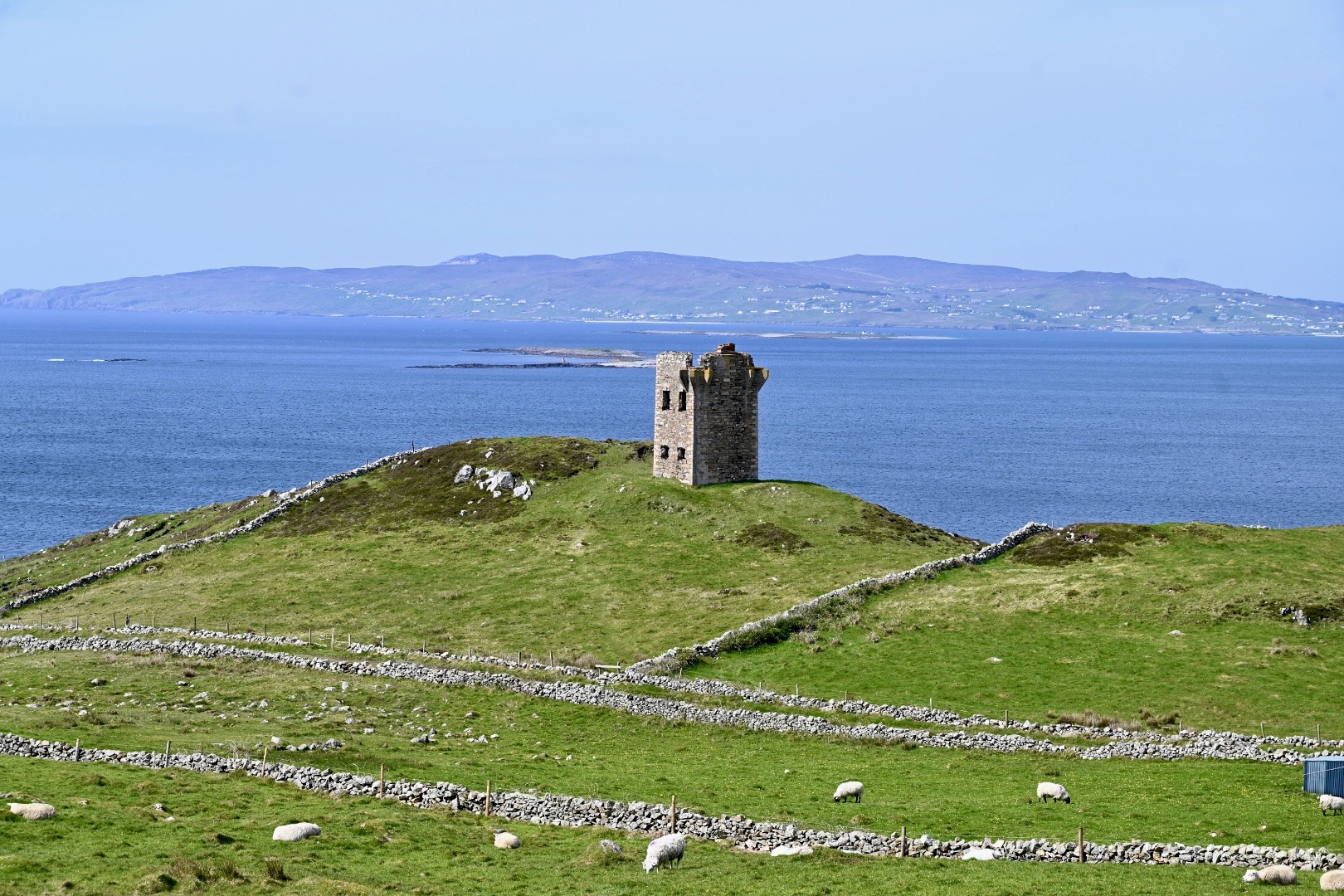
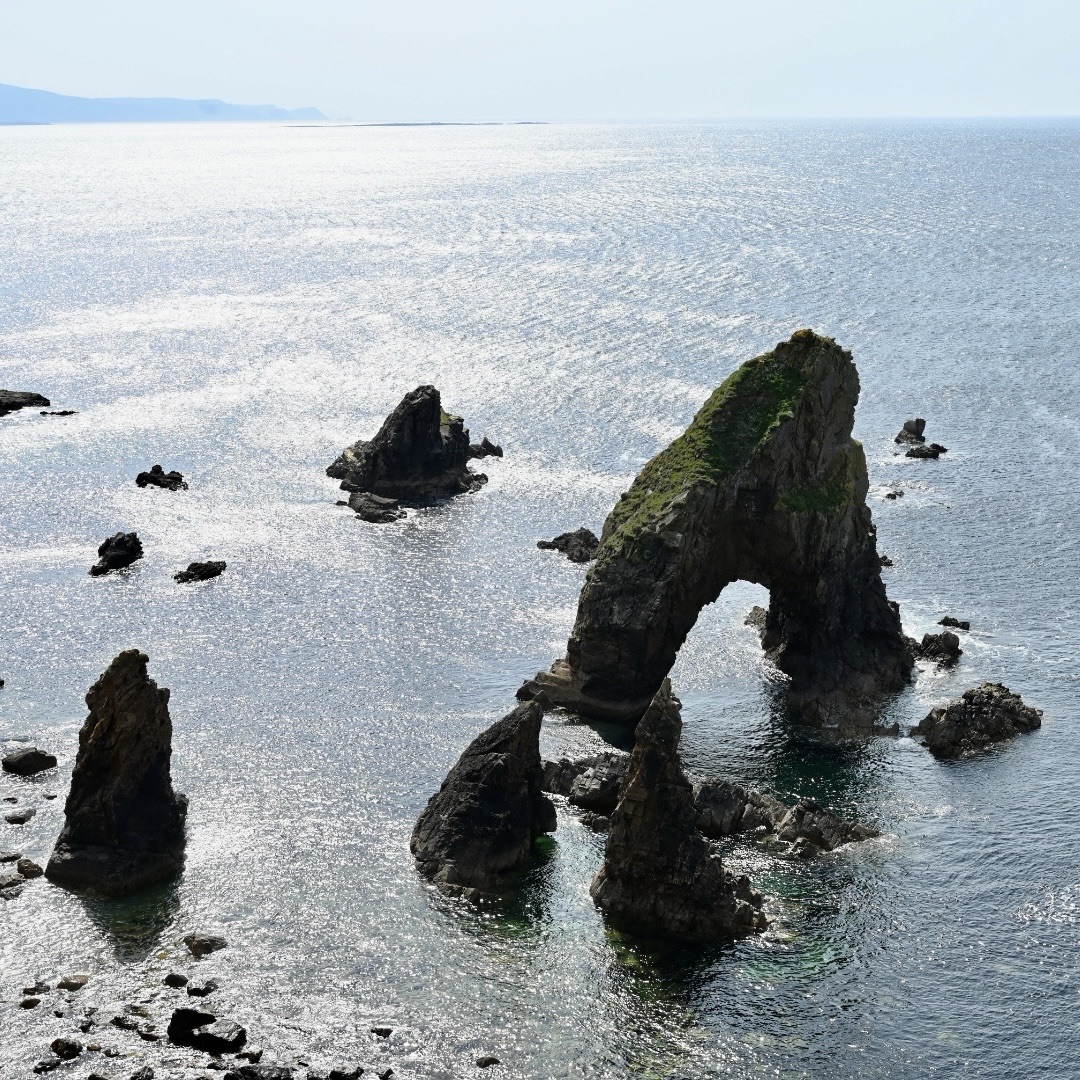
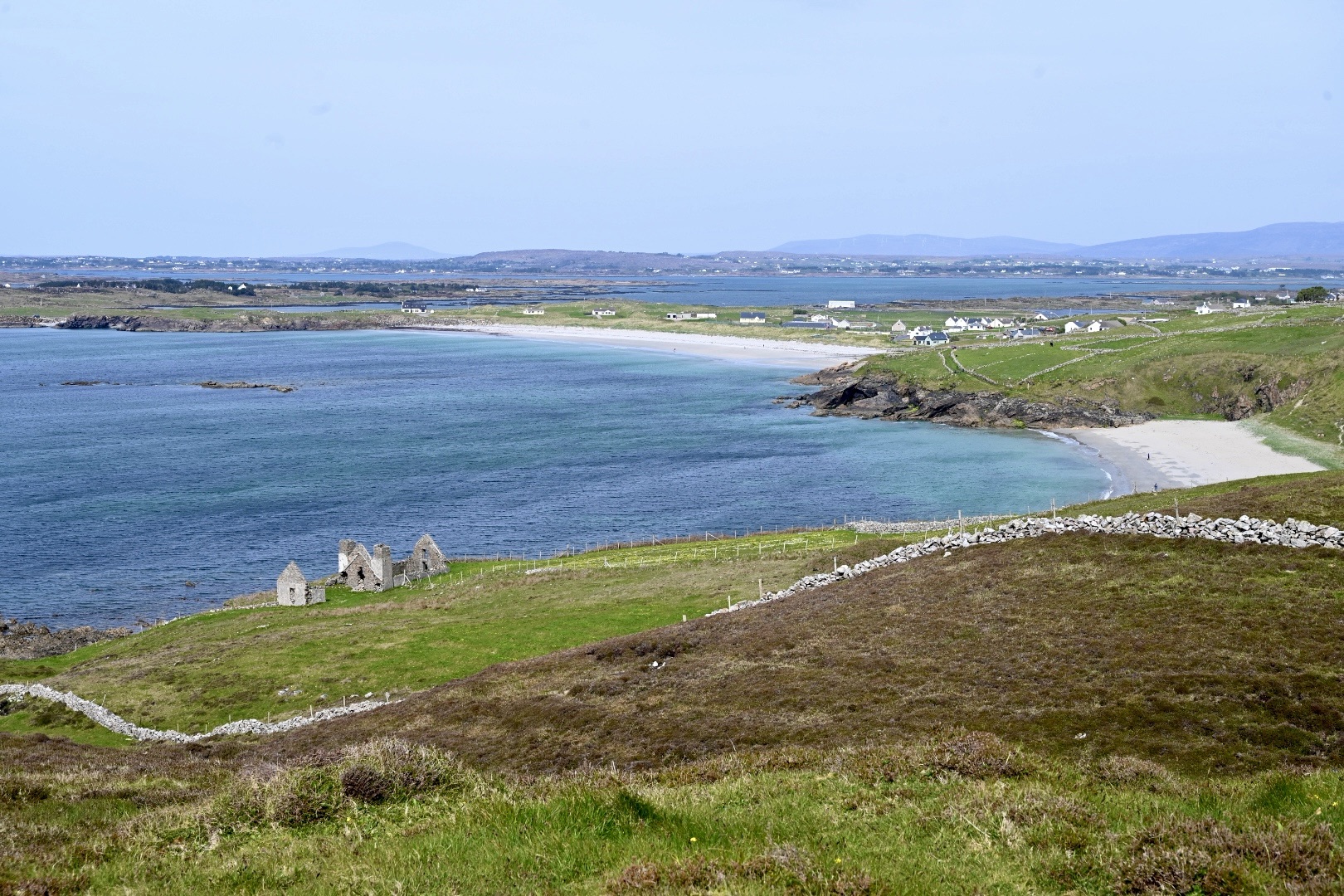
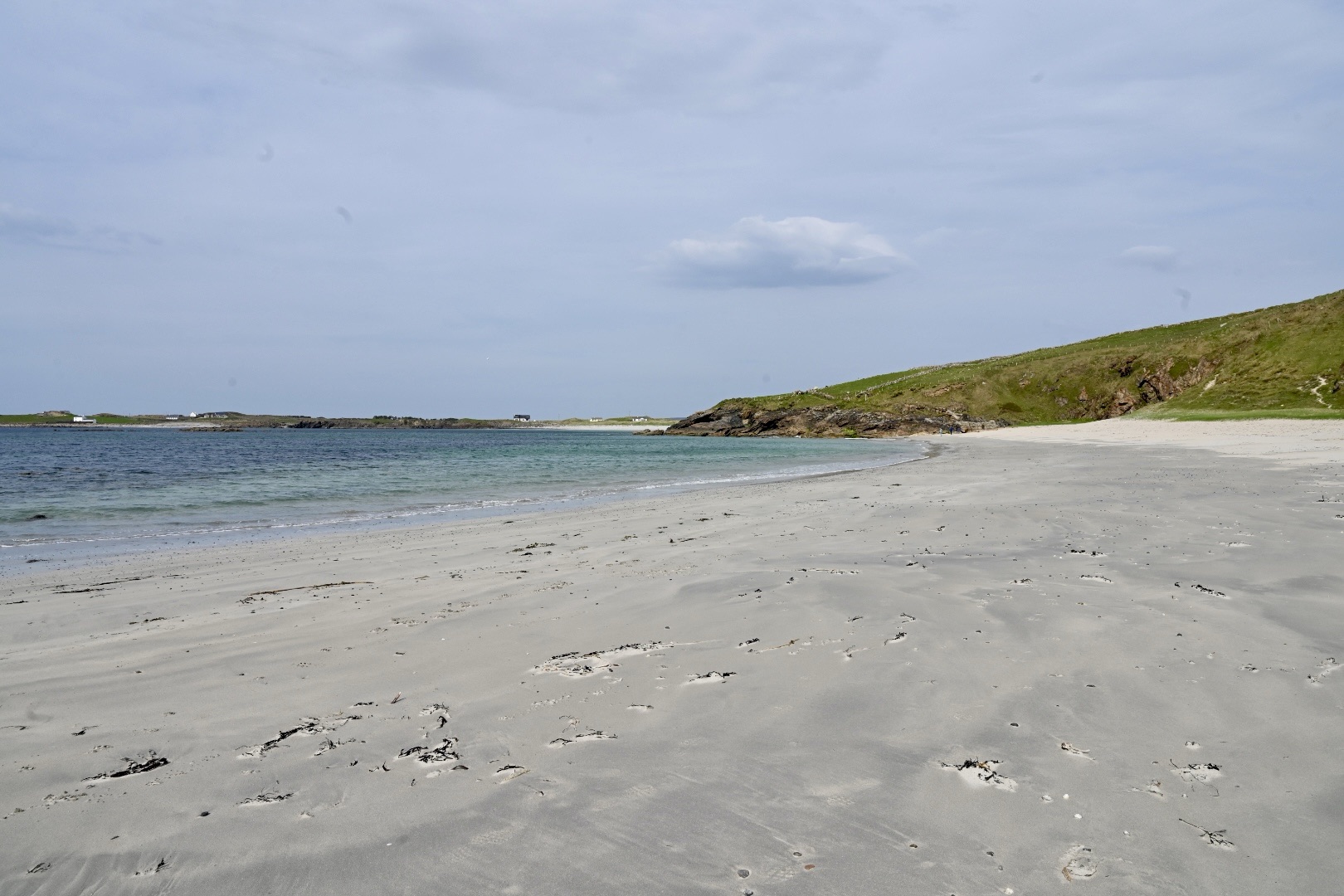
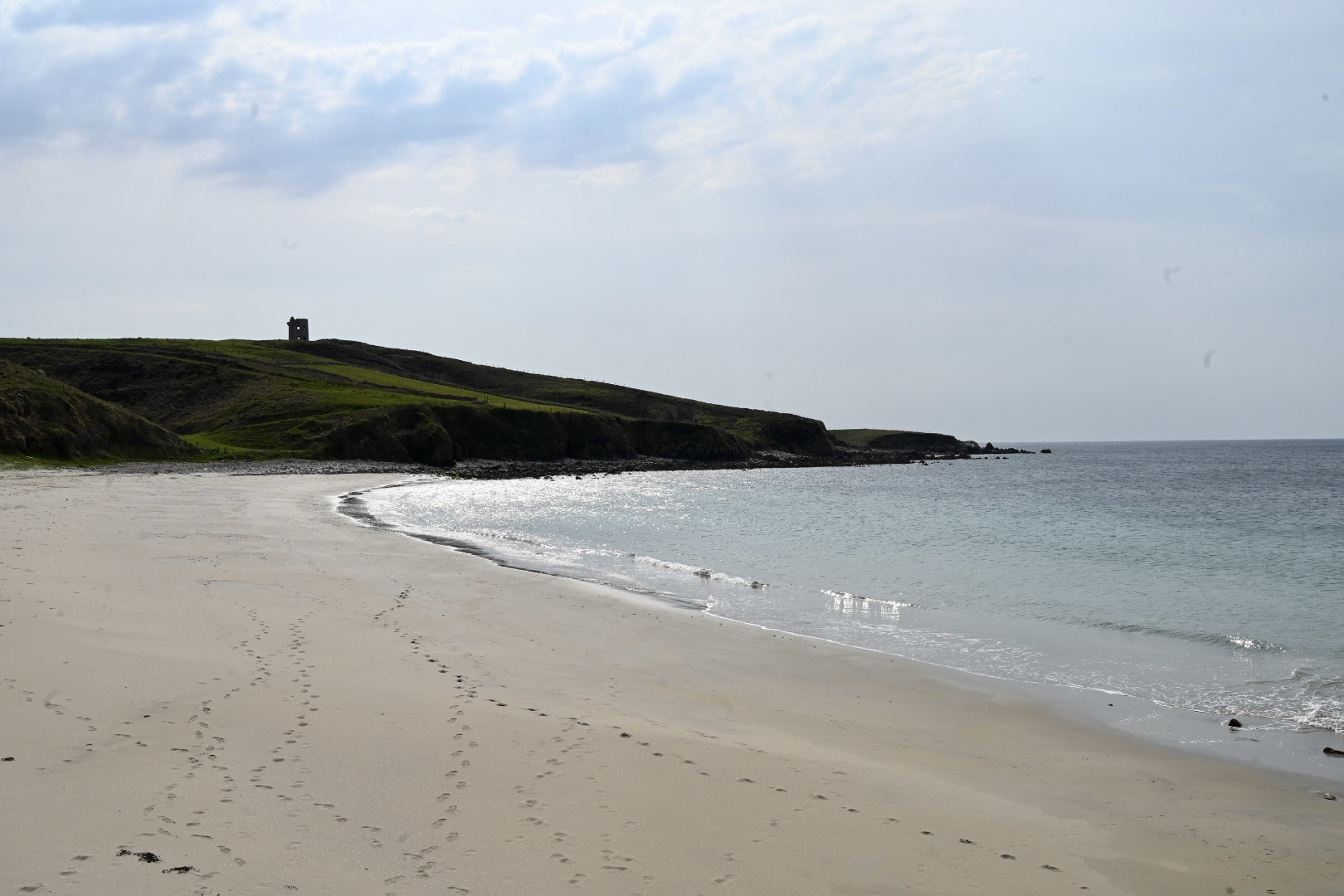
The Rosses is a rocky headland where we visited first Dungloe and then Magherey, from which we walked to Crohy Head, site of another signal tower.
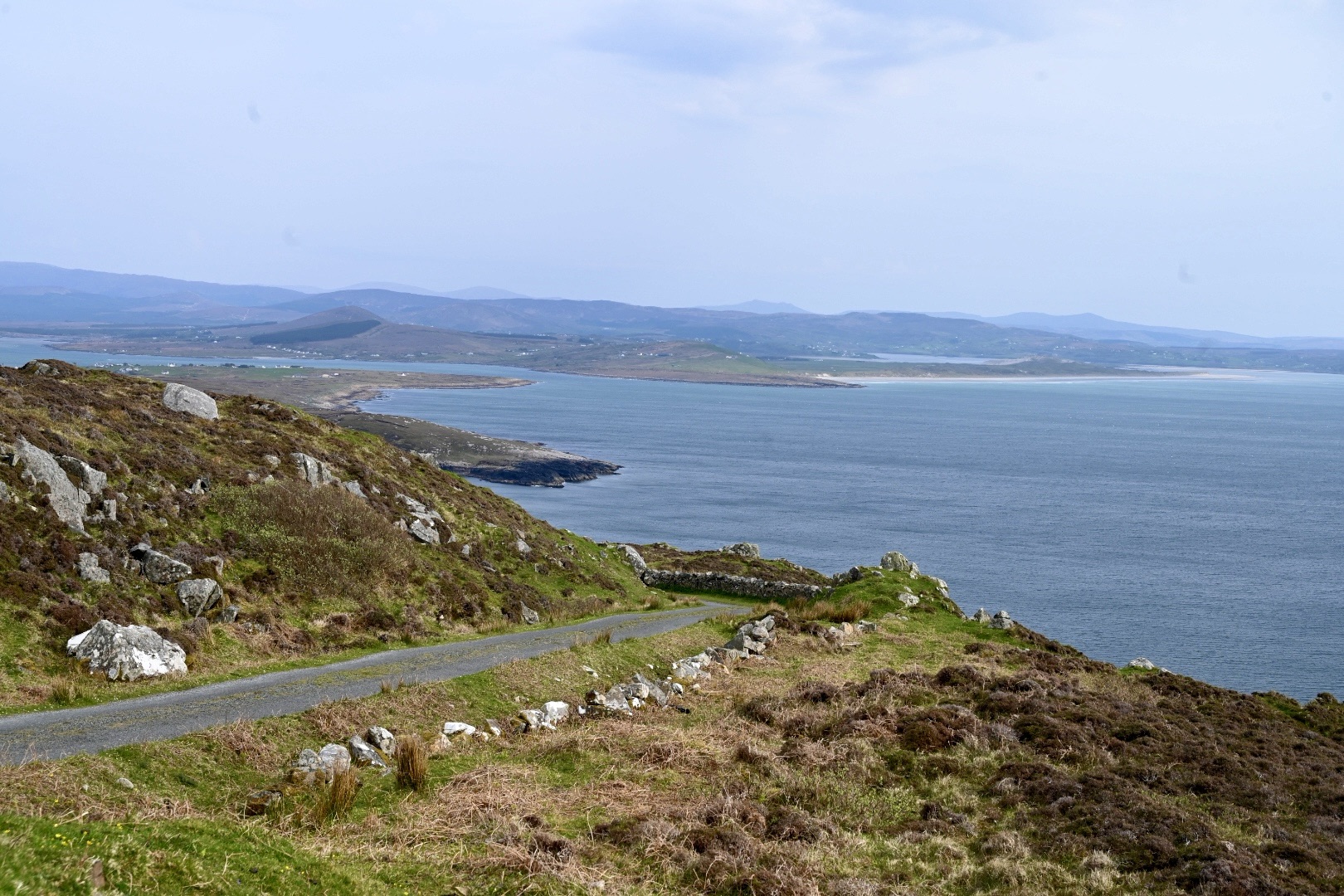
Ardara
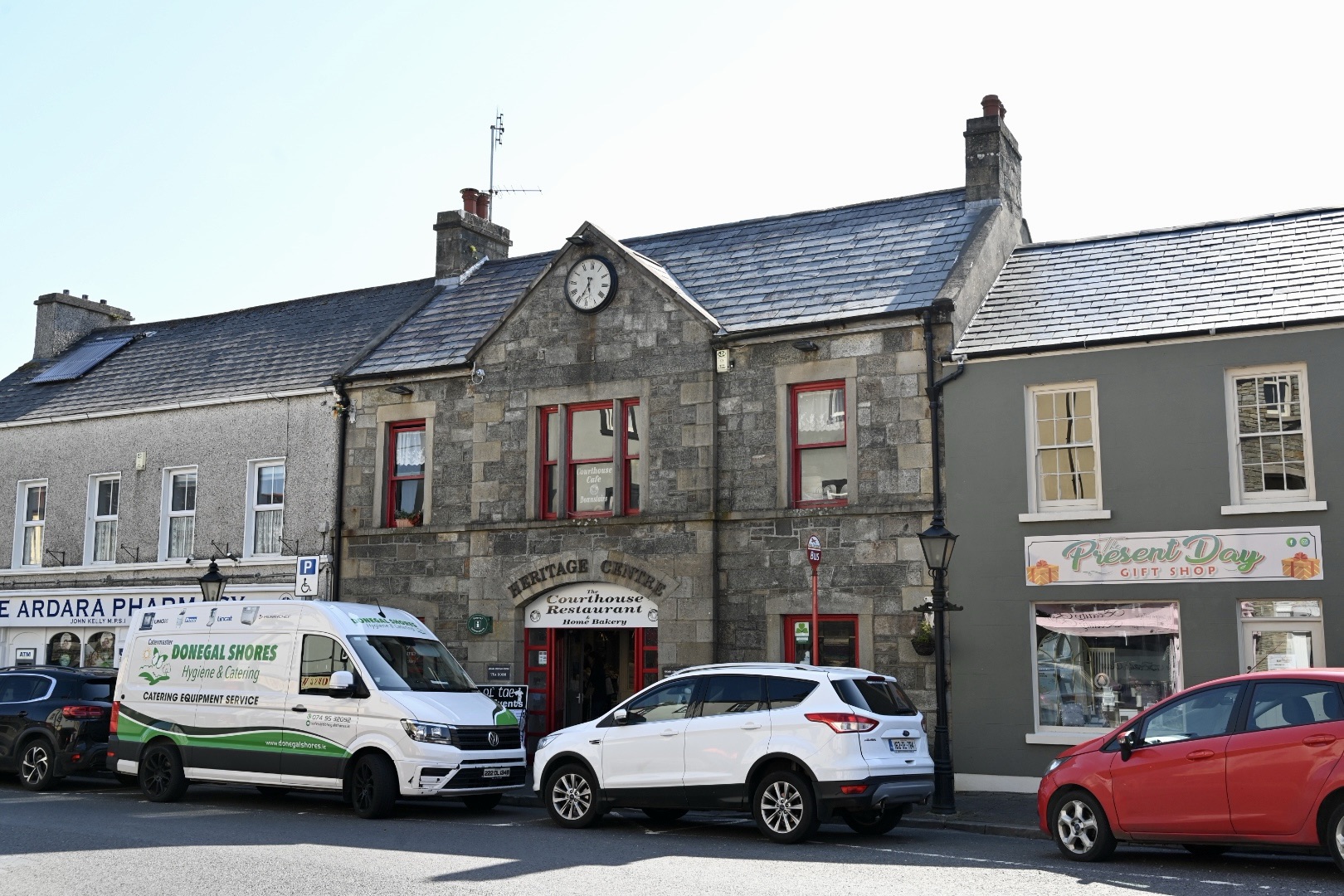
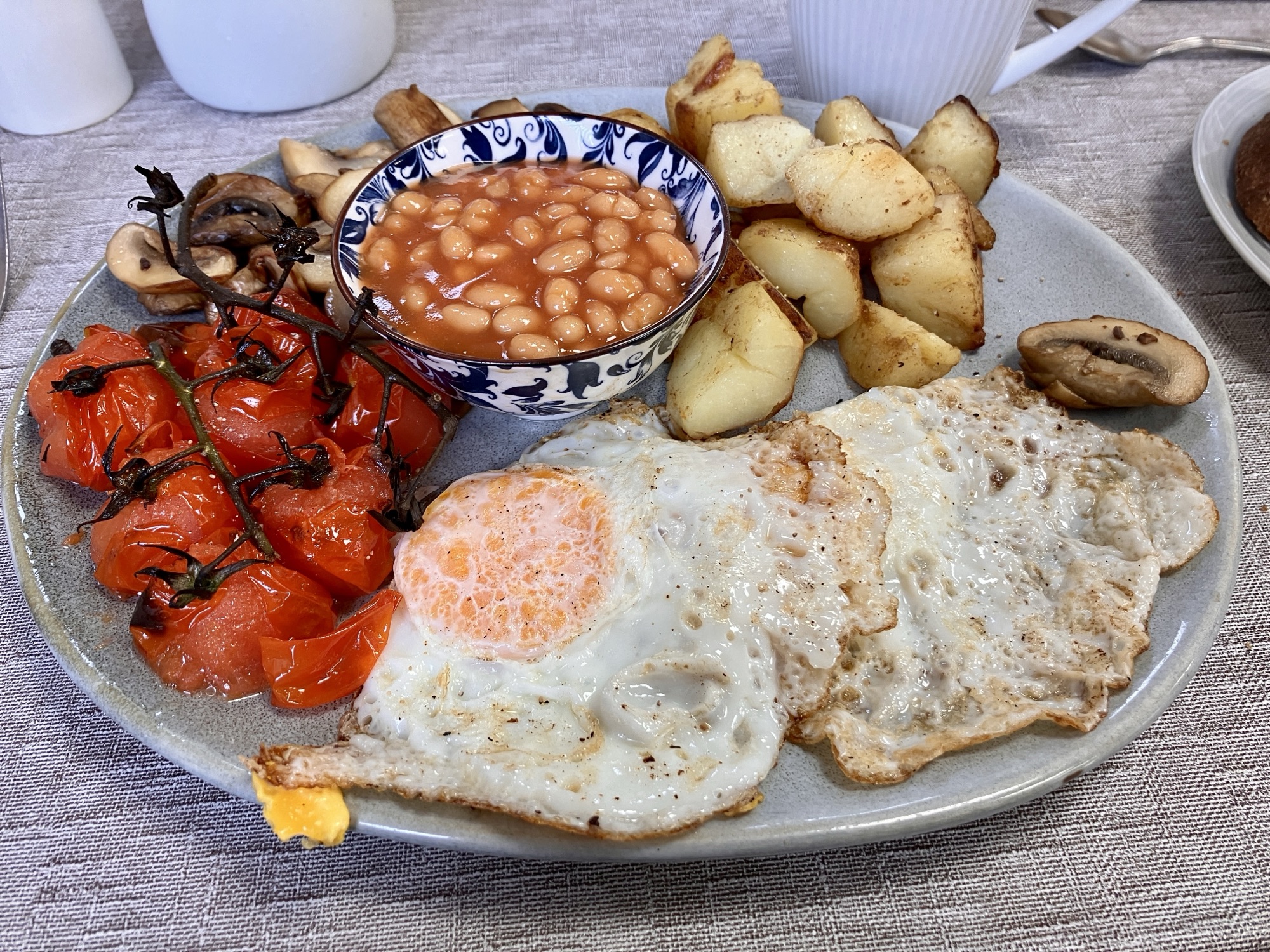
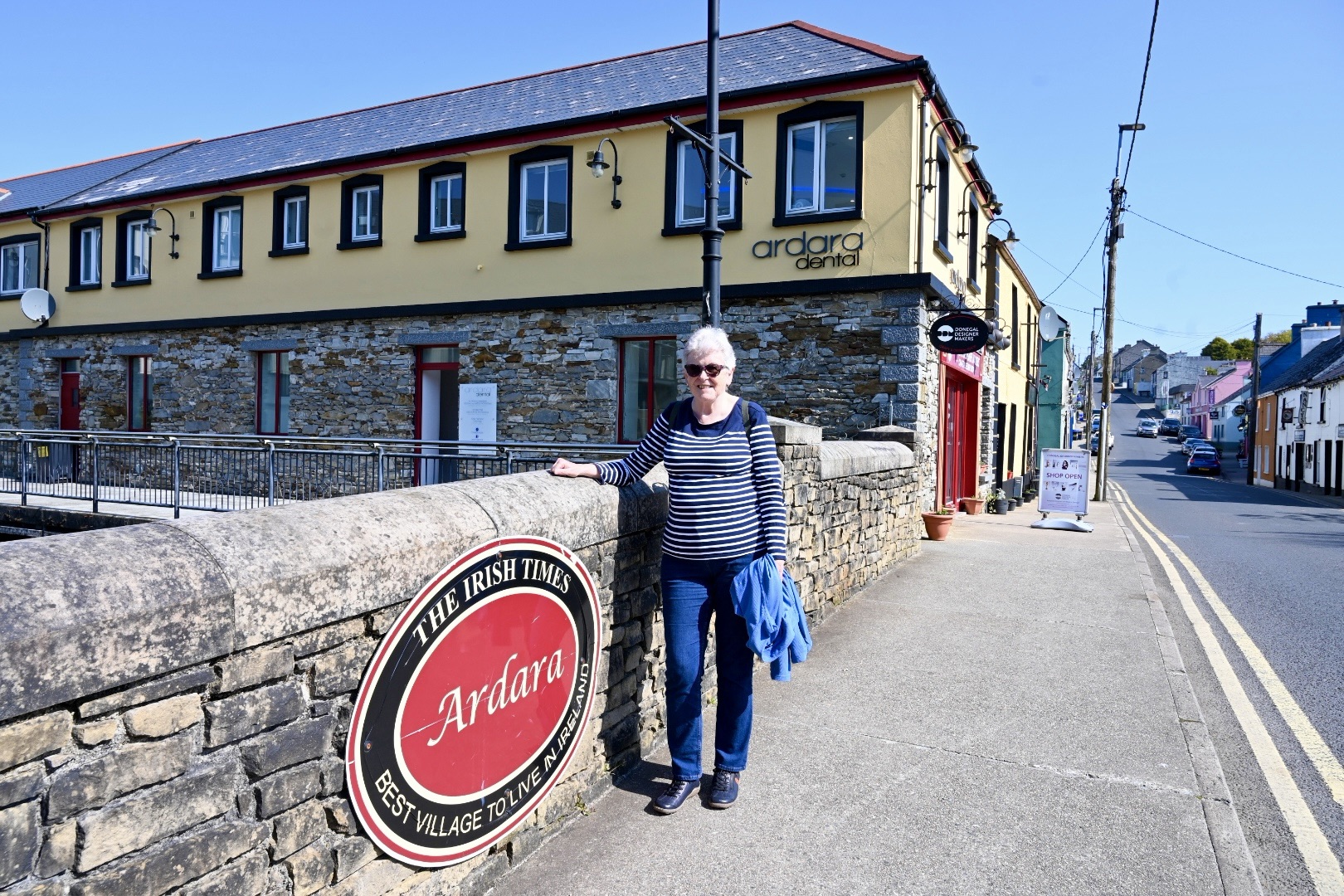
As we usually do when leaving a holiday rental we packed up and got out in time for a breakfast treat. The Courthouse in Ardara was recommended to us and it certainly delivered. Ardara is apparently the best village to live in Ireland – well, we weren’t there long enough to judge but we’ll give it top marks for the breakfast.
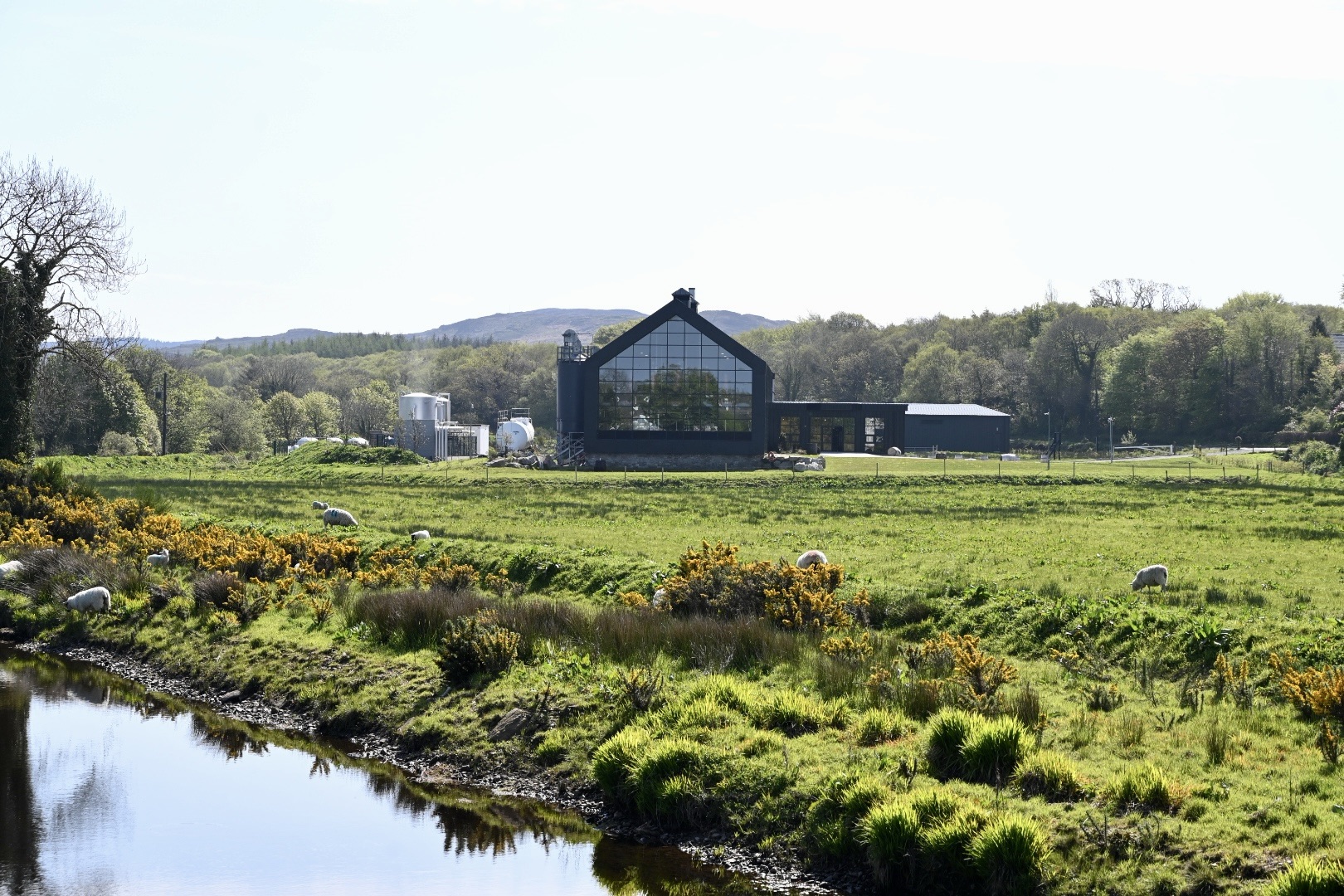
From Ardara we drove back to Belfast to catch the ferry home. It had been a wonderful week and I would love to return to Donegal some day.


The folk village museum is in a lovely location. I would love to visit, and I think I would be saying hello to the man in the lving room too, he really does look real 😊
LikeLike
Ireland is such a beautiful country. I imagine that every one of its counties is worth visiting. Donegal sure is.
LikeLike
We visited some parts of this region in the summer of 2014 but didn’t have good weather. We saw Slieve League in the fog. It was very atmospheric but not conducive to really see the beauty of the cliffs. It is good to revisit the area with clear sky through your photos. (Suzanne)
LikeLike
History, rugged coastline and beautiful views. My kind of trip!
LikeLike
Mine too! Really enjoyed it.
LikeLike
I like the shot of the silhouettes on the fairy bridge. For a moment I thought that was John surfing!
LikeLike
Don’t give him ideas!
LikeLike