Gozo walking 1: to the saltpans
10th April 2026
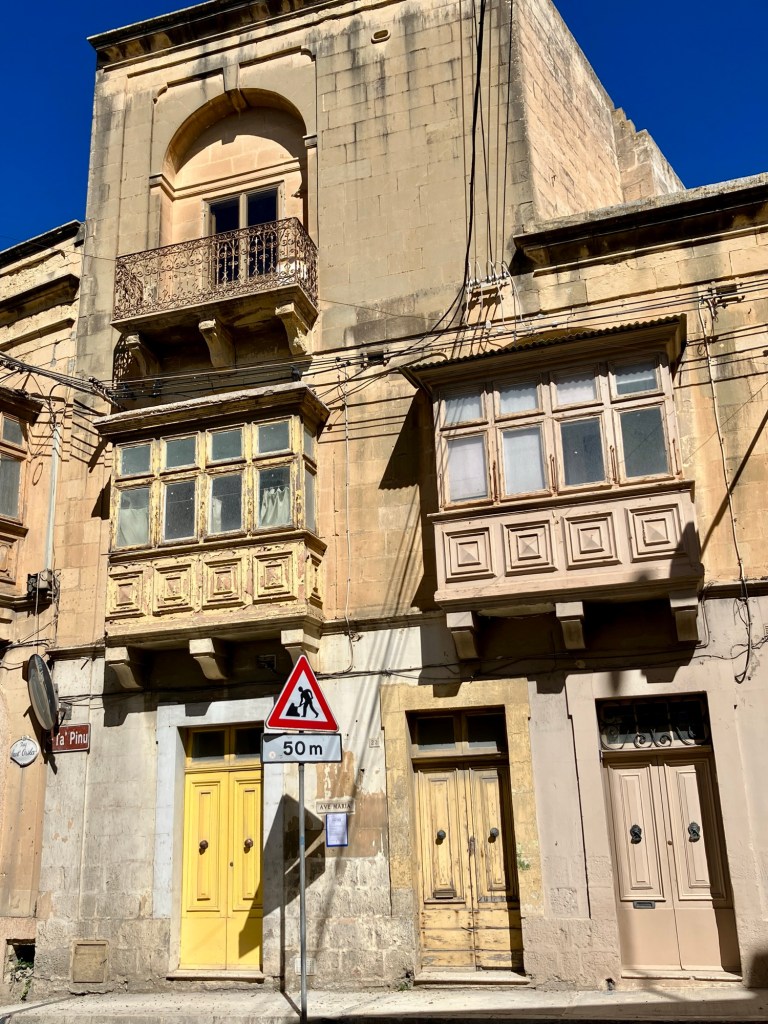
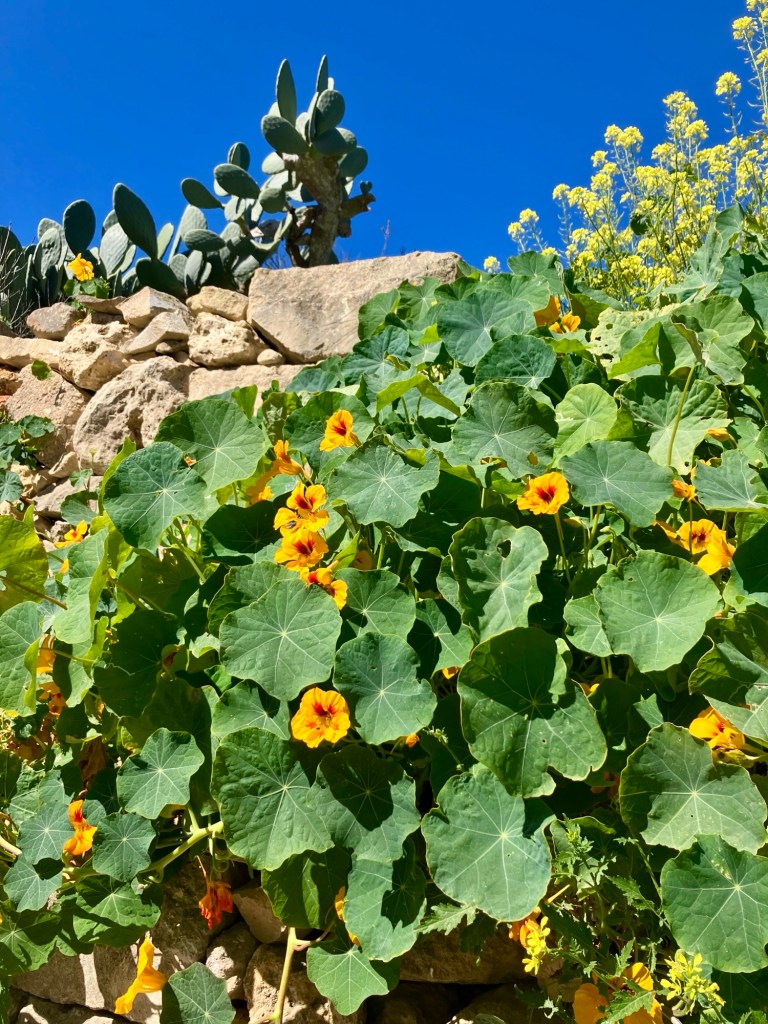
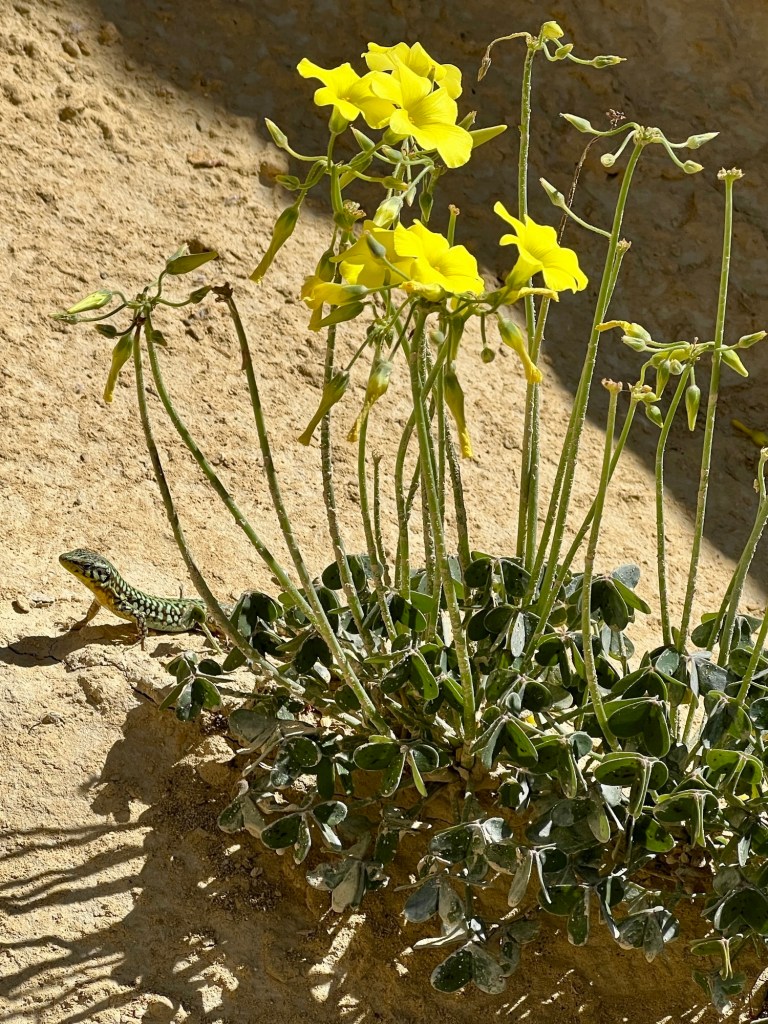
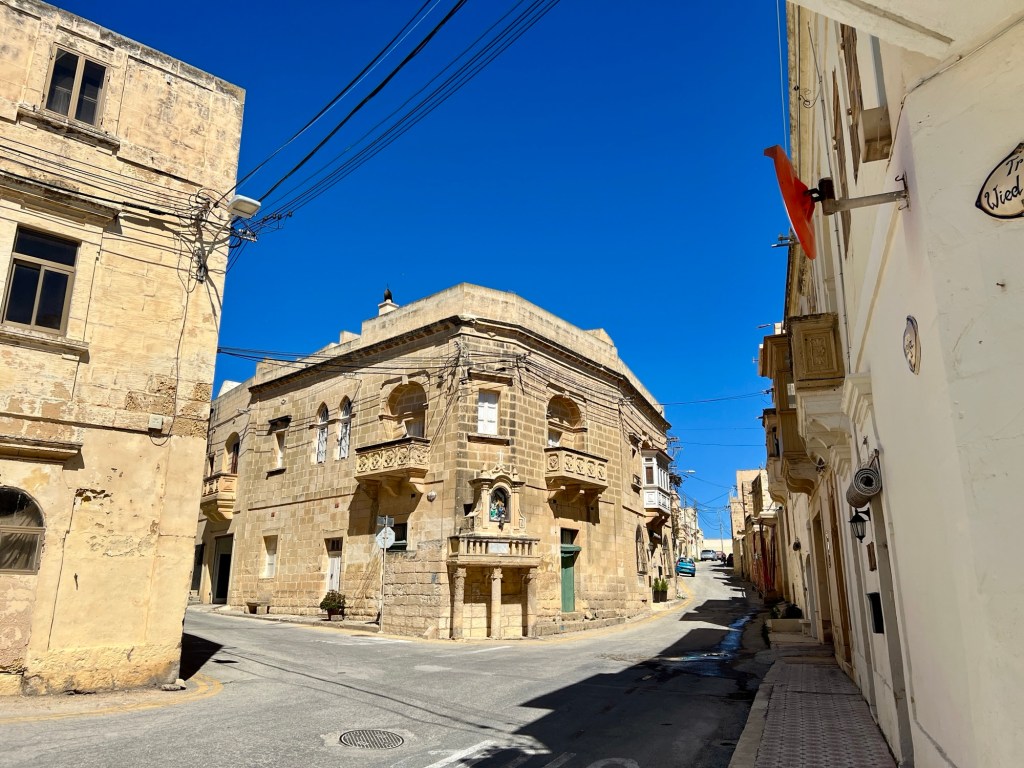
Our first walk in Gozo was a circular route straight from our hotel to the saltpans on the north coast. Winding through the backstreets of Victoria and continuing along country lanes we were already getting a flavour of how our week would be with wildflowers everywhere and lots of little lizards darting about. I was surprised at the ubiquity of prickly pear cacti which I always associate with the Americas, but I read later that they have been introduced to southern Europe, as here, and also Australia, the Middle East and parts of Africa.
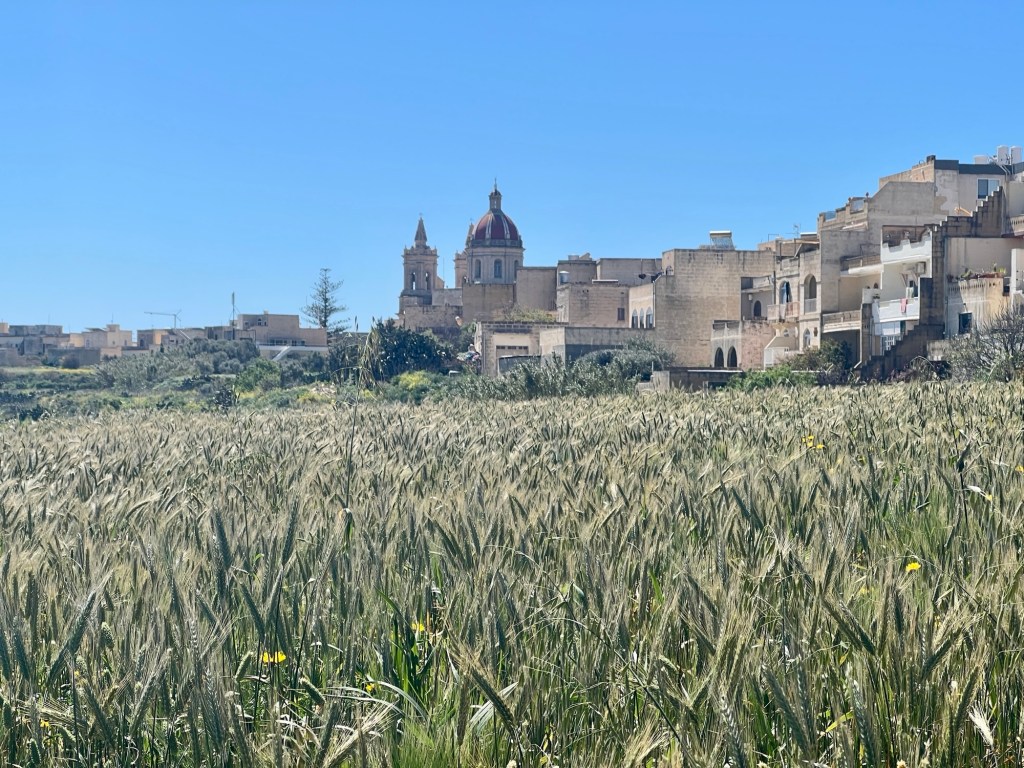
The next settlement we came to was Ghasri, again typical of what we would see again and again – a small village with an enormous church.
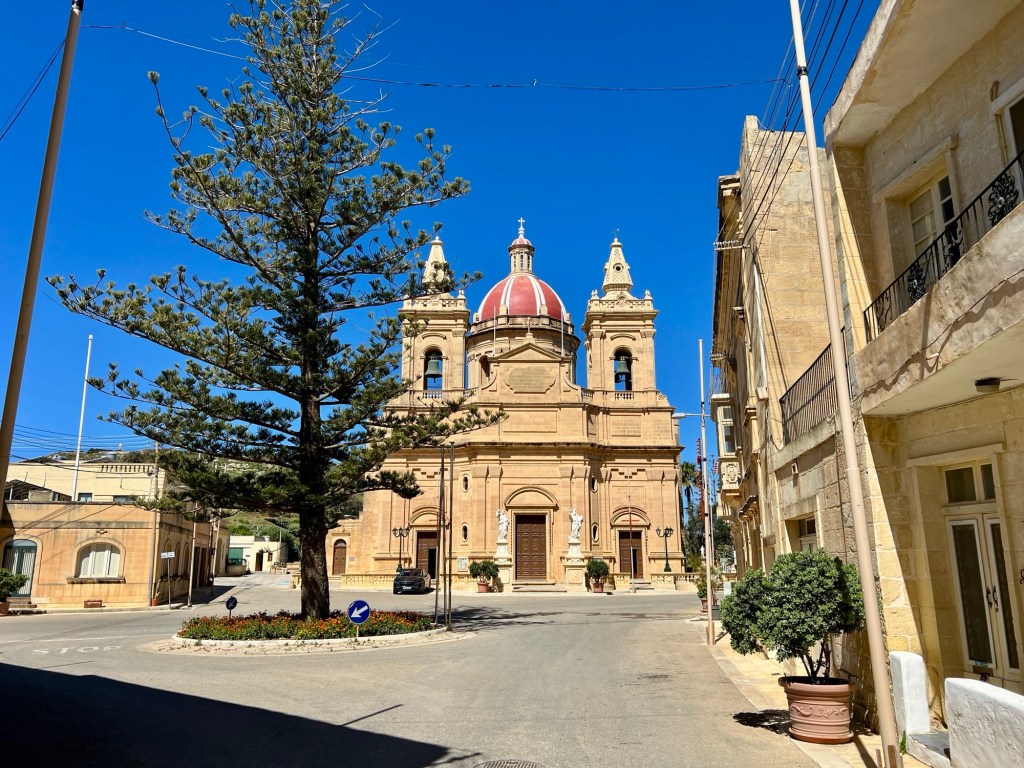
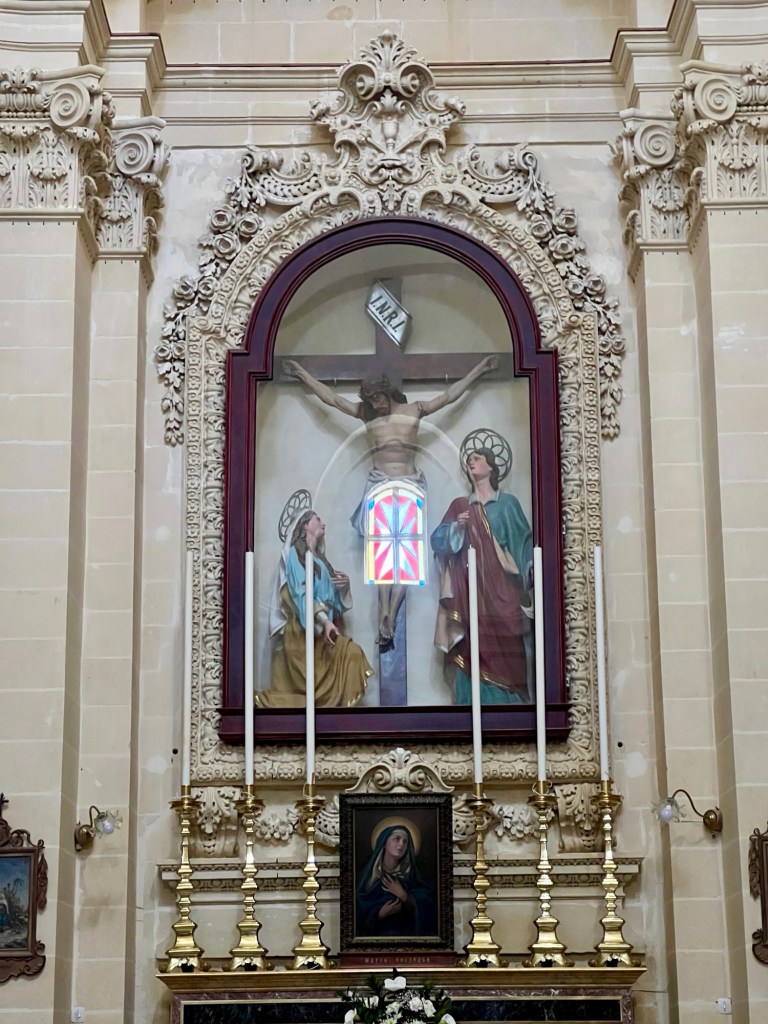
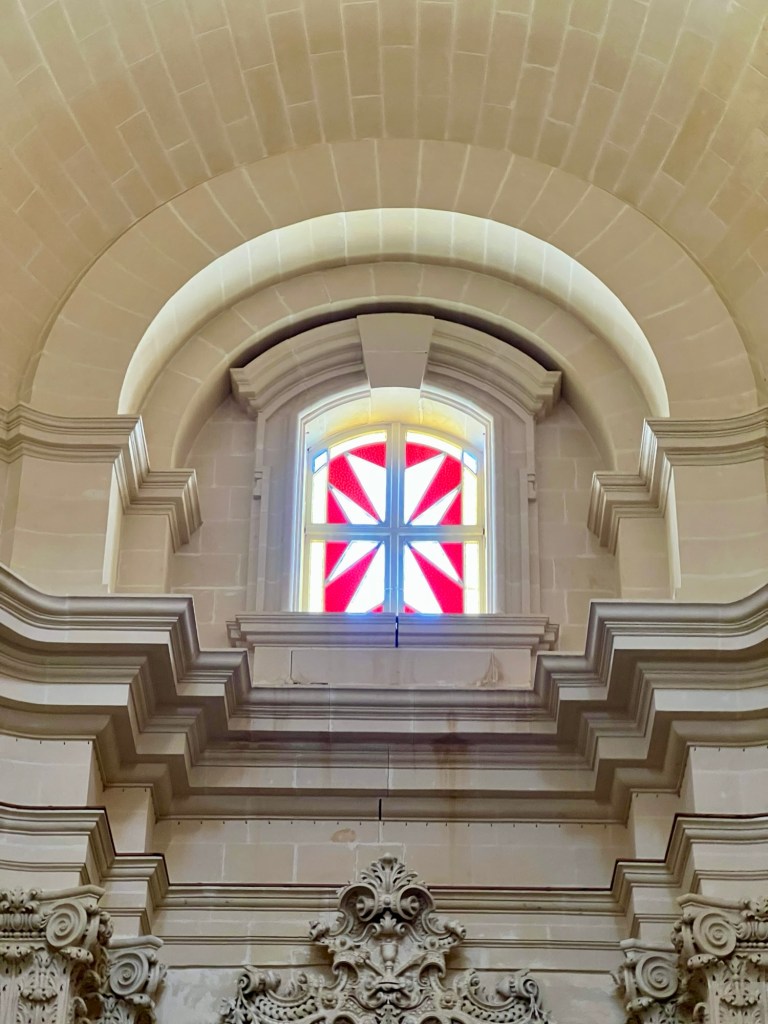
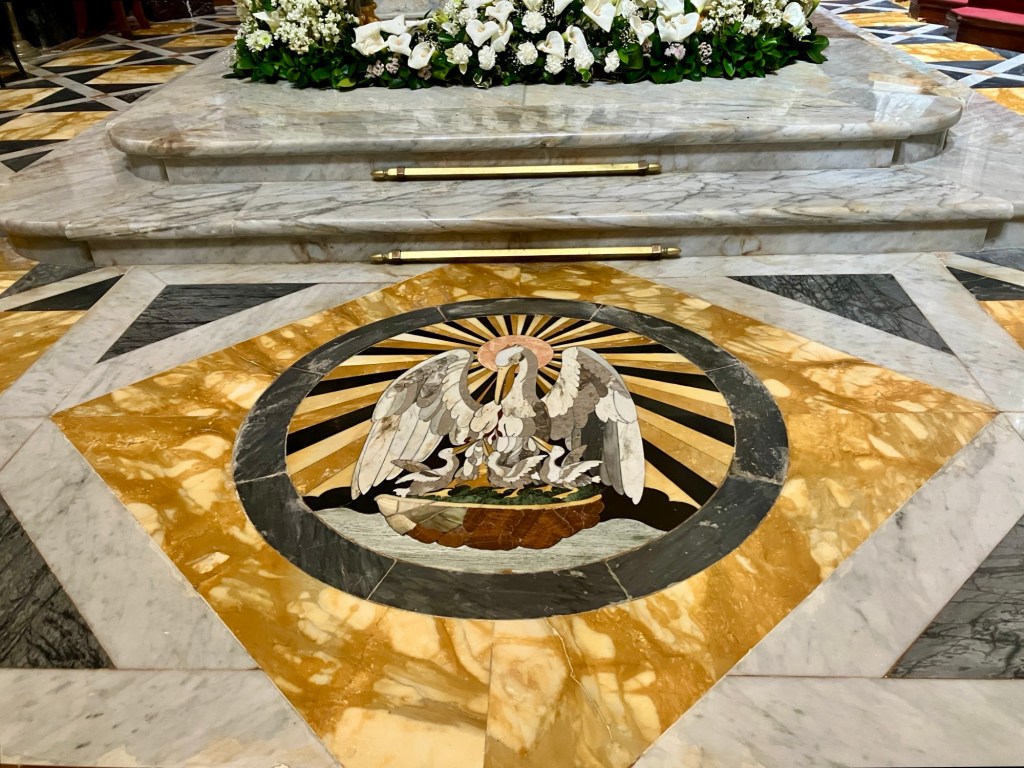
We took a few minutes to walk round inside. Consecrated in 1916, Corpus Christi became a parish church in 1921 by authorisation of Pope Benedict XV. This was another surprise to me – how relatively recent some of these churches are. This was by no means the most opulent, but they all made me wonder how else the church could have spent its money to benefit its parishioners.

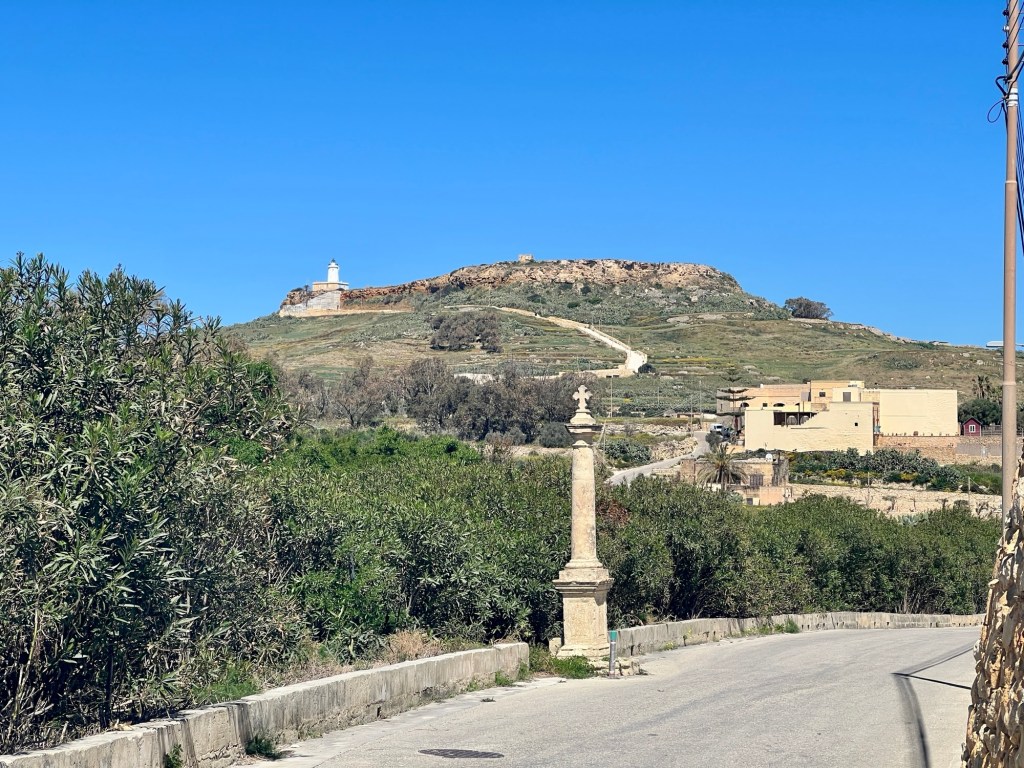
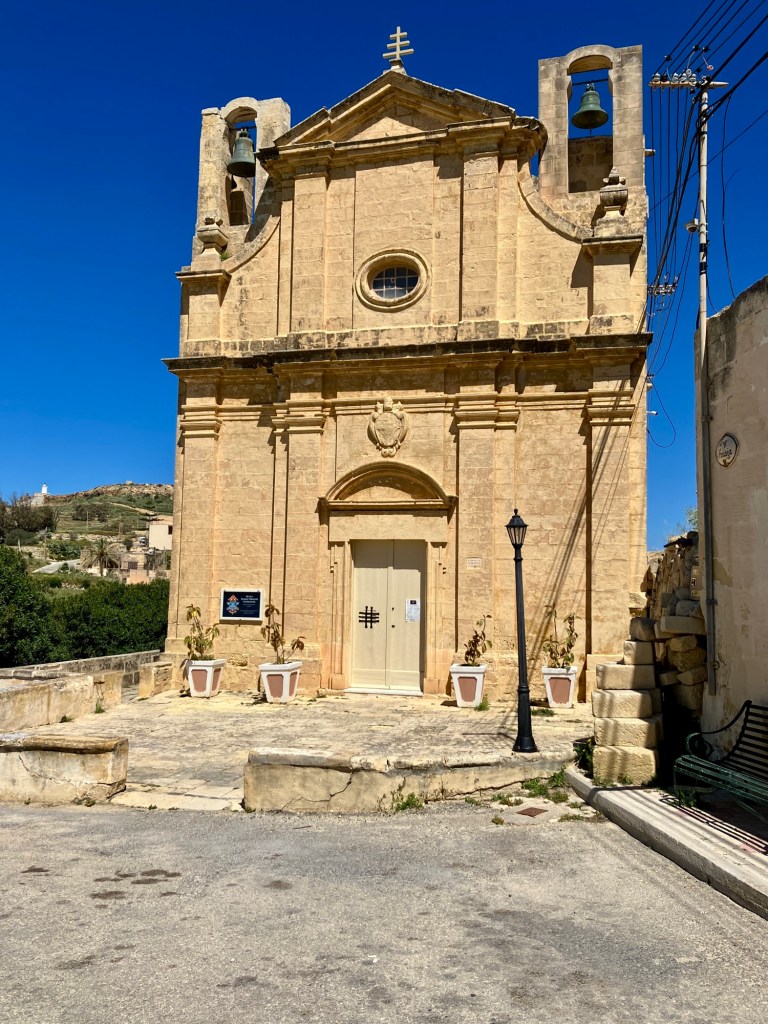
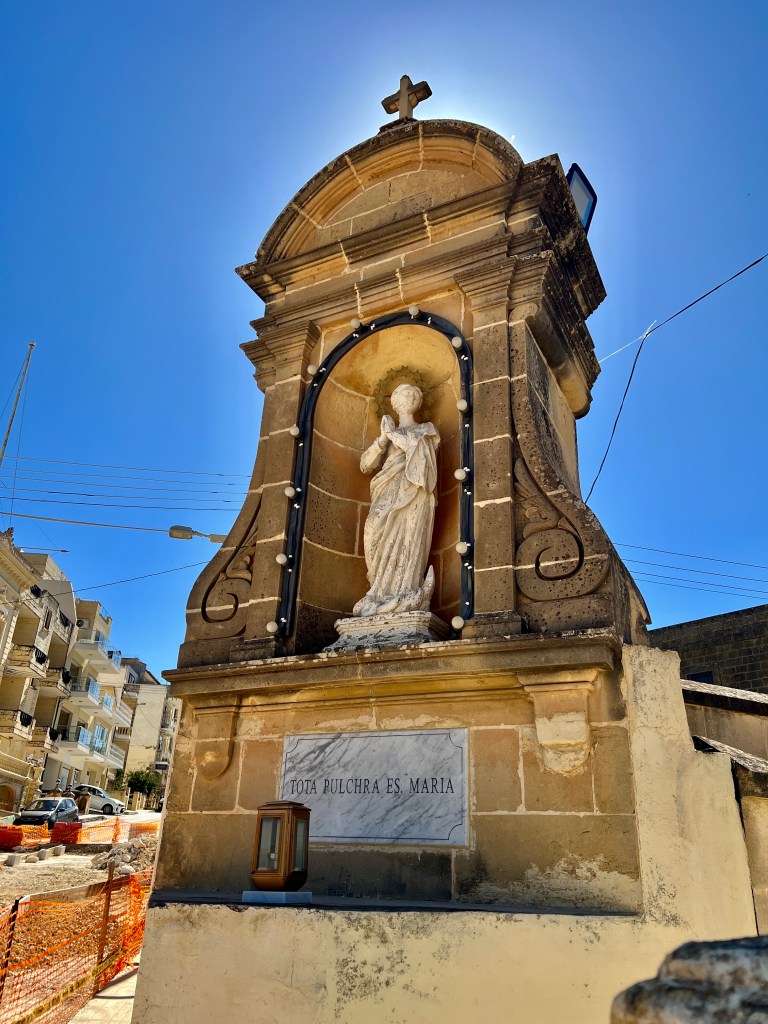
After leaving Ghasri the next sight we came to was the cross, Tad-Dejma, which marked a meeting point for a mercenary force which protected the area on the late middle ages. You can just see the Ta’ Gordan lighthouse in the background. Not far from this we saw Gozo’s oldest basilica (built 1739 and extended in 1754) which is dedicated to the Patronage of the Virgin Mary.
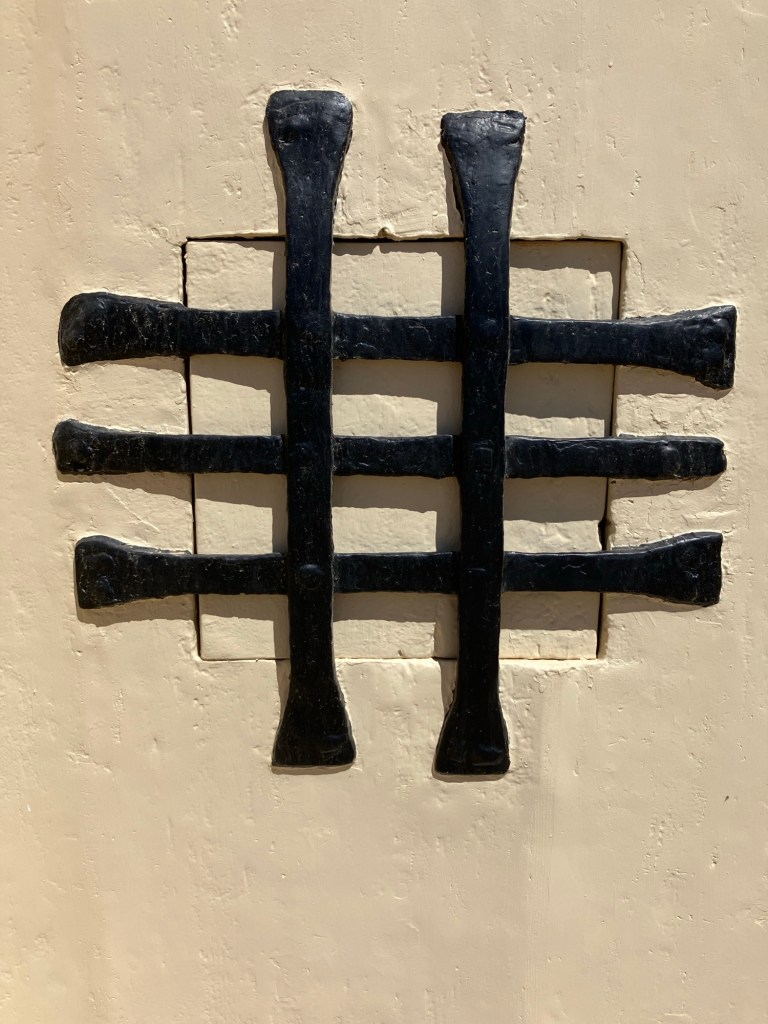
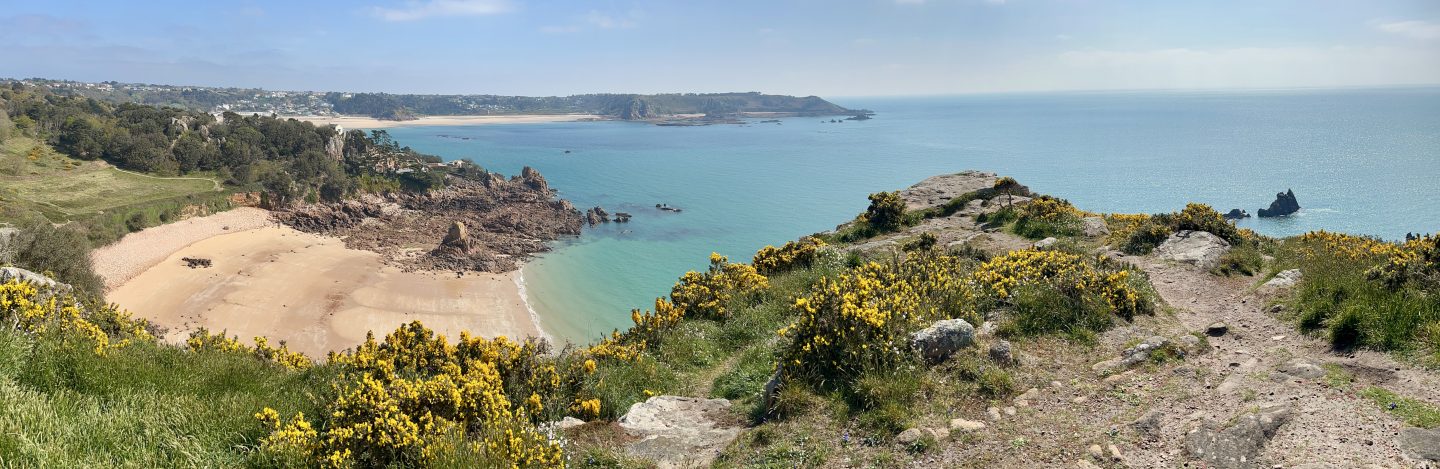
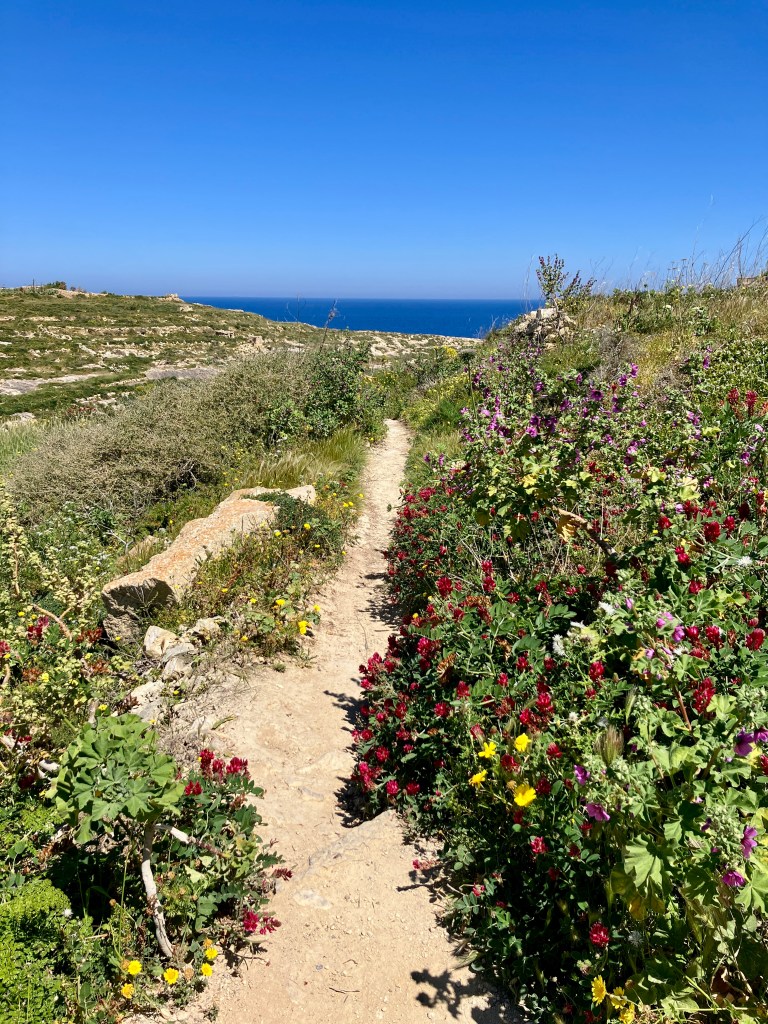
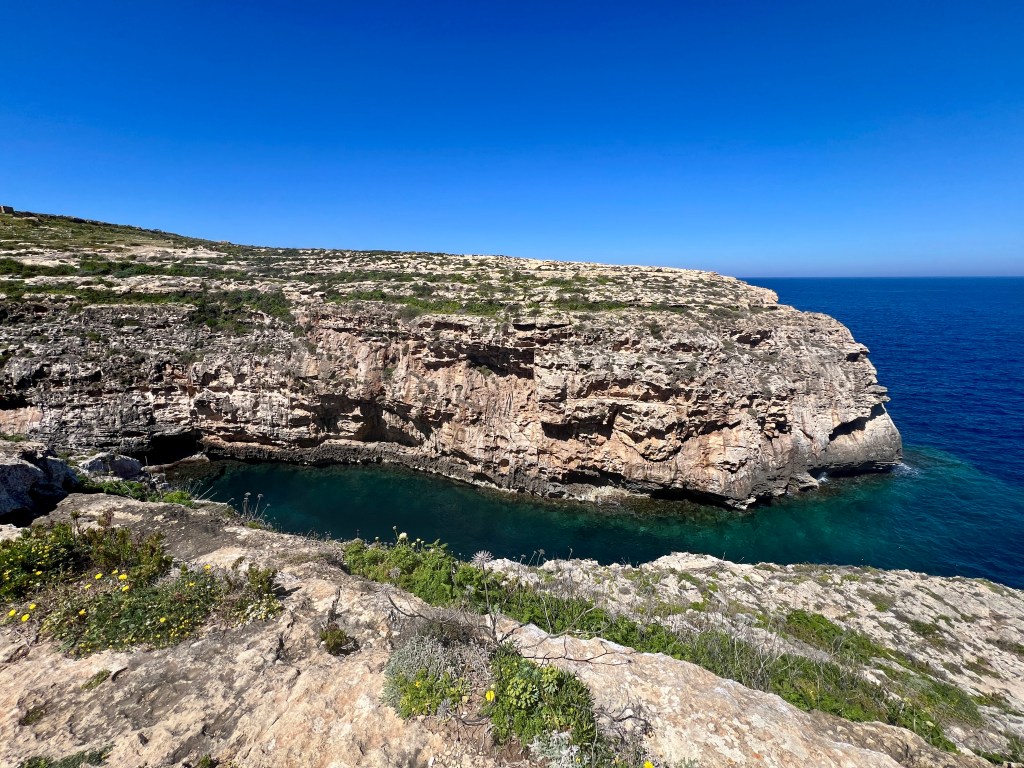
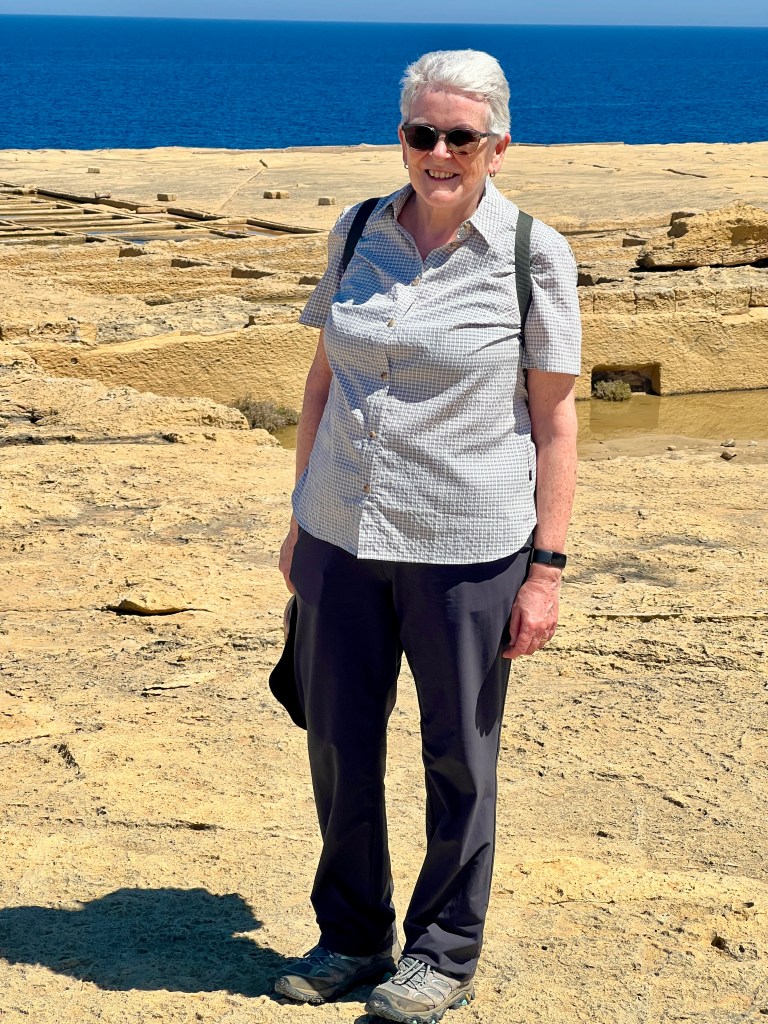
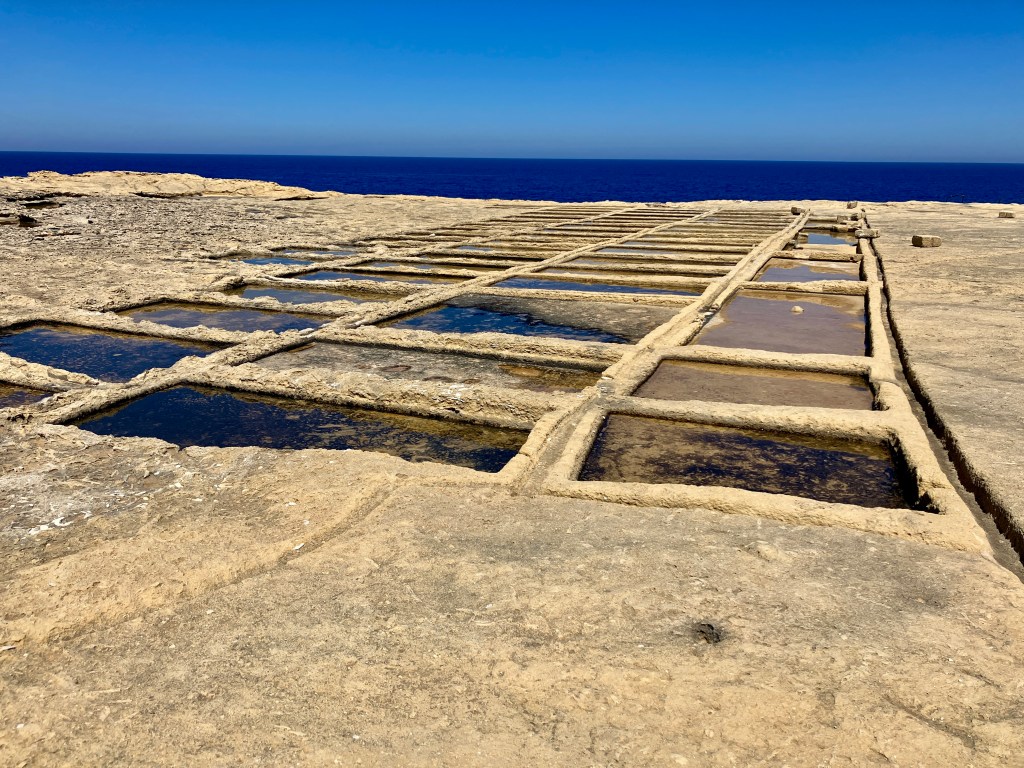
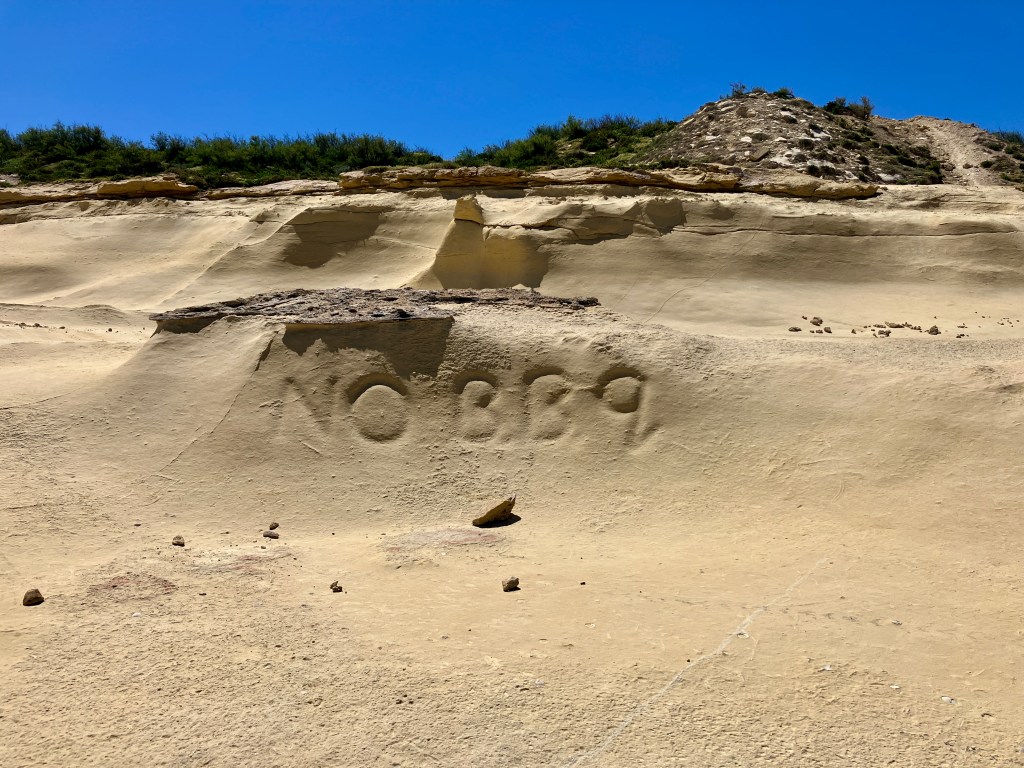
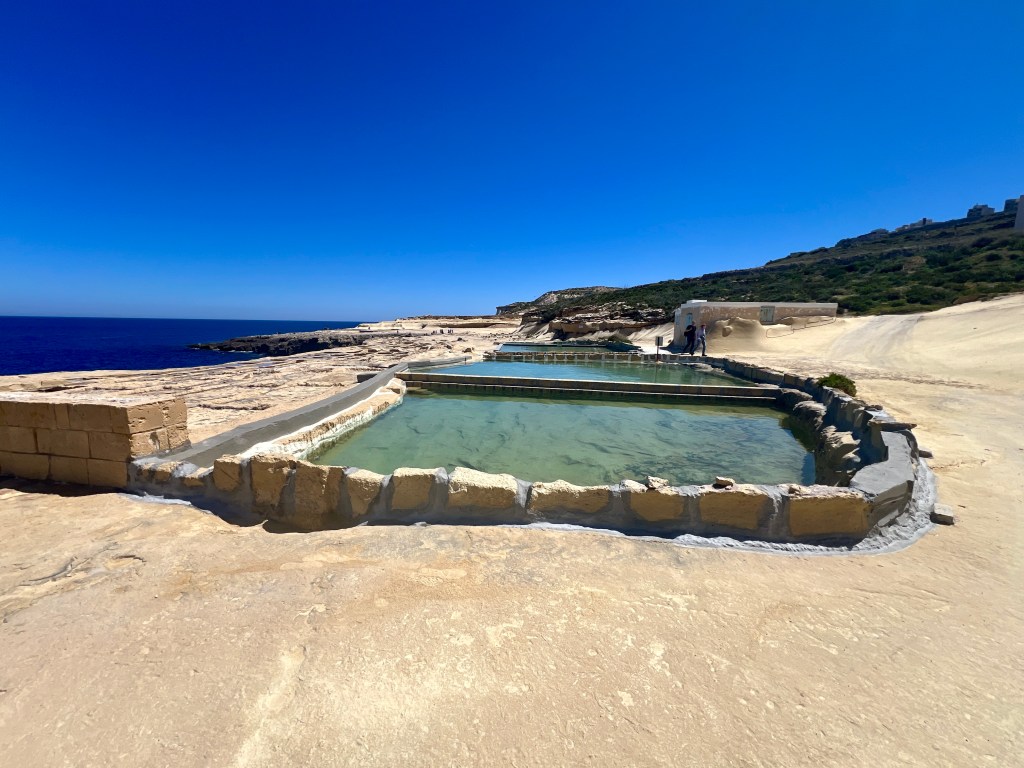
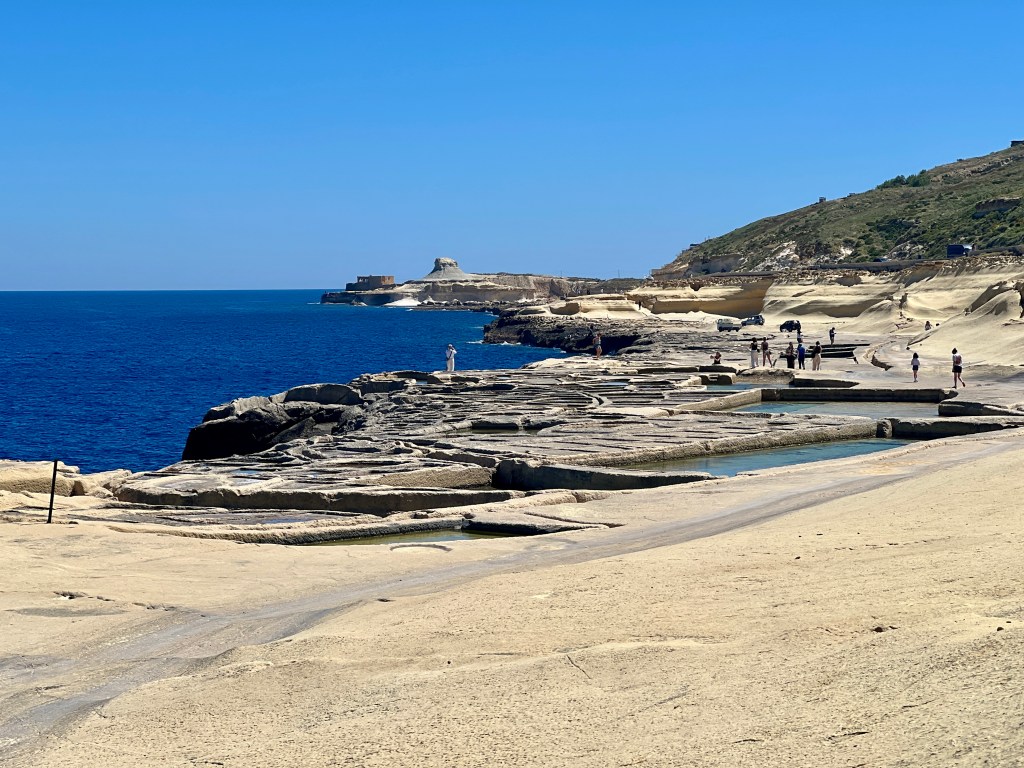
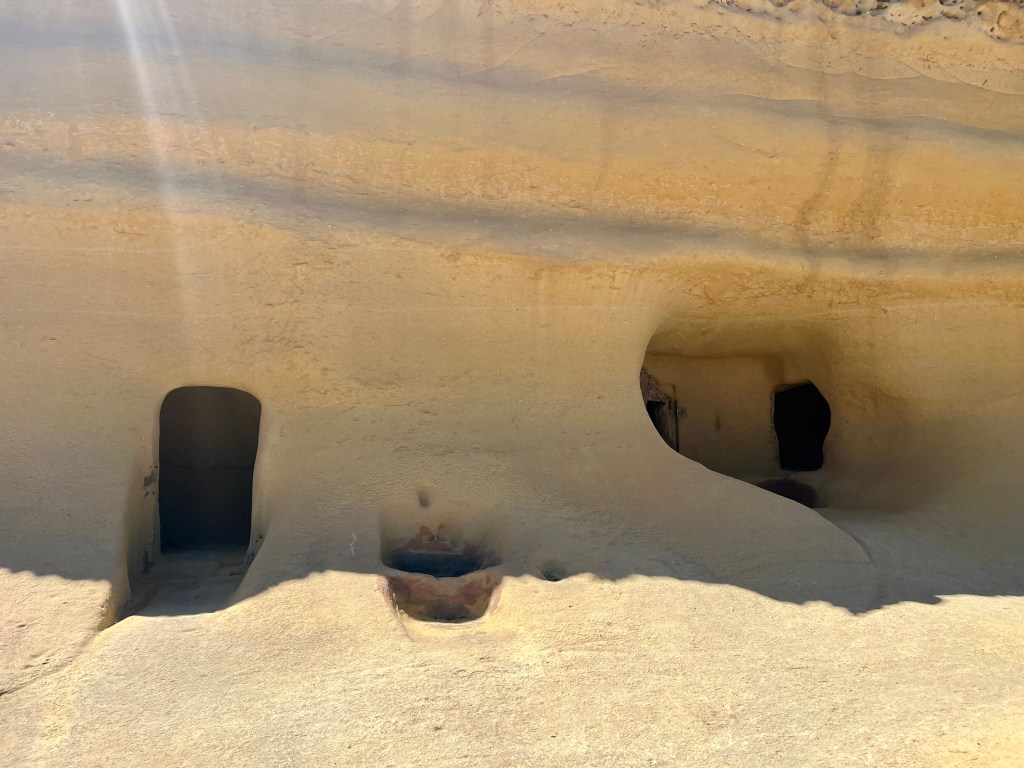
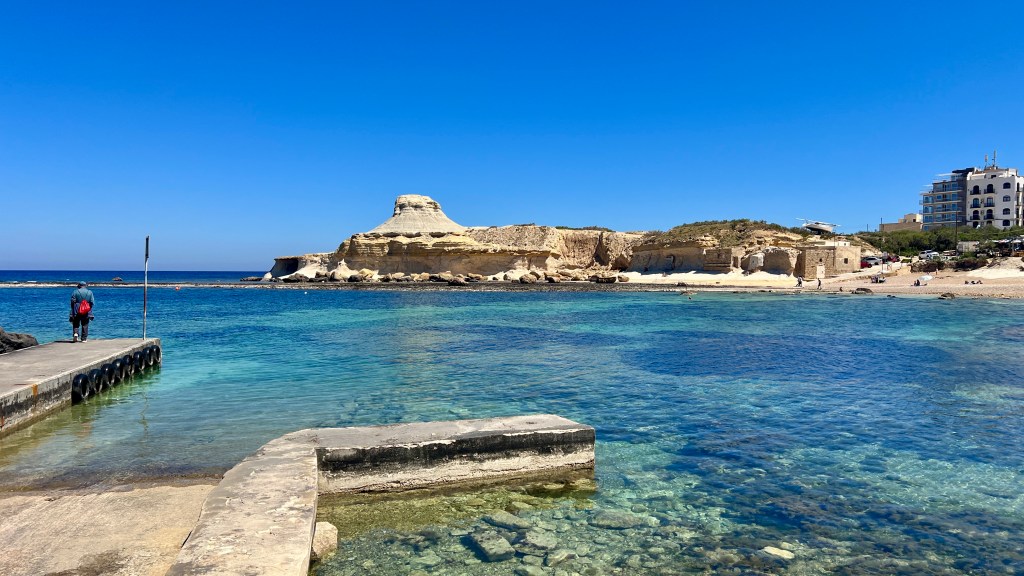
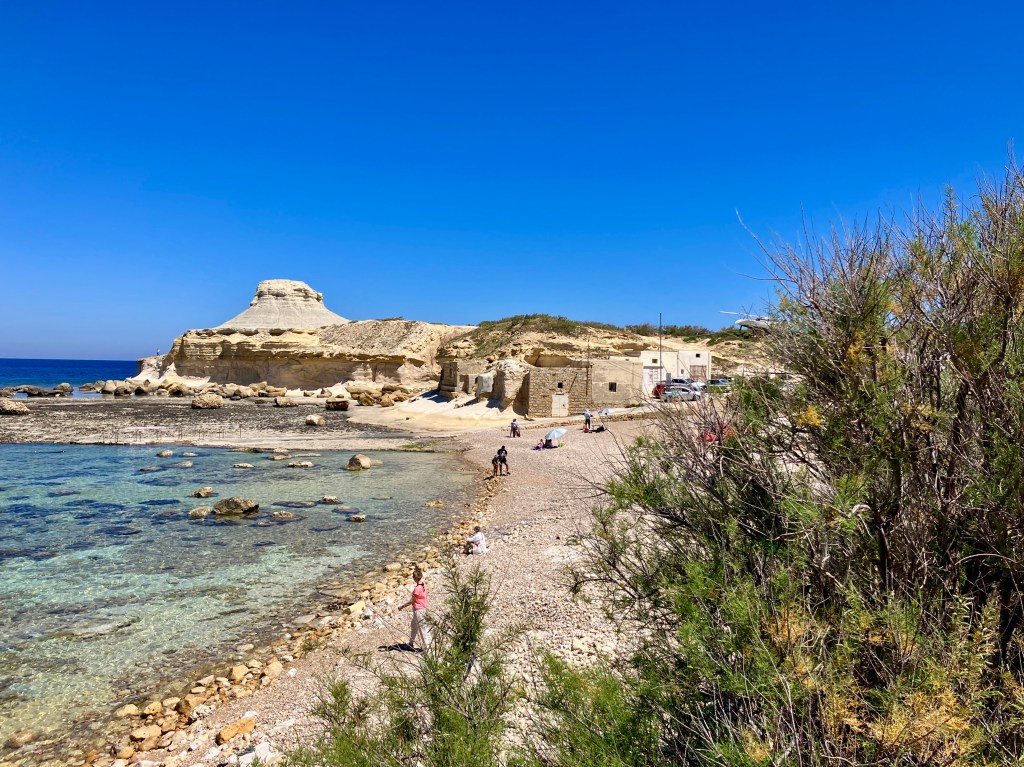
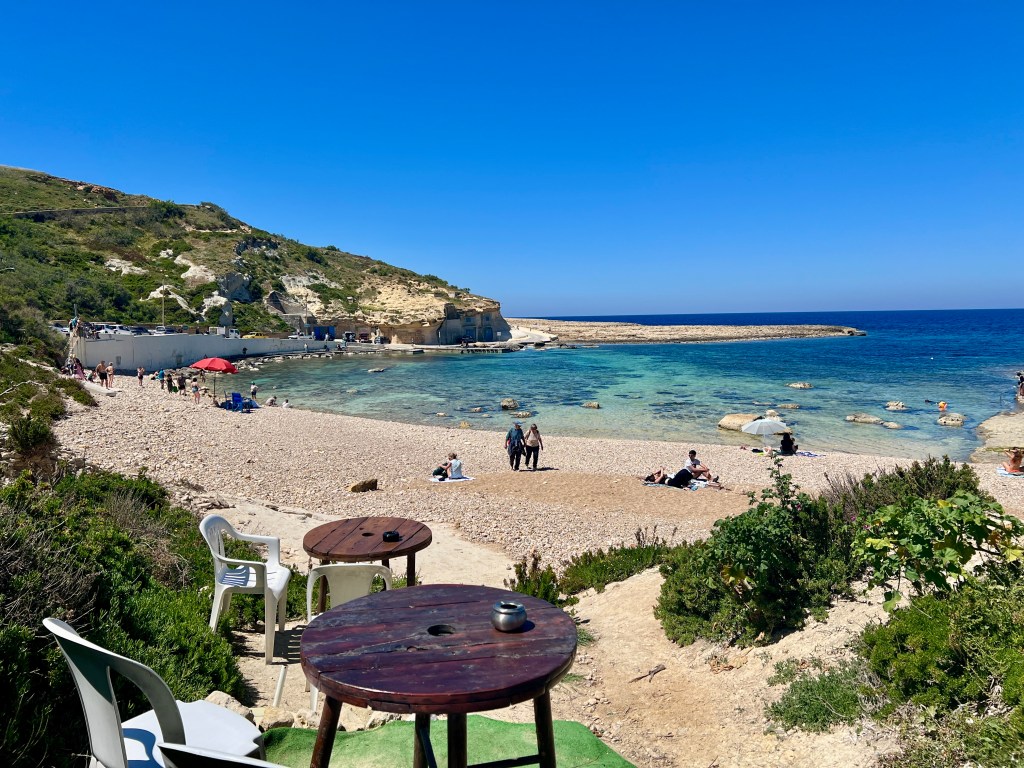
Beyond the church we were still walking on a country road alongside terraced farmland, but soon we struck off onto a flower lined path to the sea, emerging above a beautifully clear cove. From there, the first of the old saltpans was a short step away. Carved into the limestone shelf over millennia, some of these are natural, but most are not. There are still some locals harvesting and selling sea salt, and I’m guessing that is the purpose of the little doors in the gallery below. I also liked the No BBQ sign carved into the rock. We weren’t looking for a barbeque, but were pleased to find two beach cafes in Xwejni Bay, one of which we selected for lunch which came with a beautiful view.
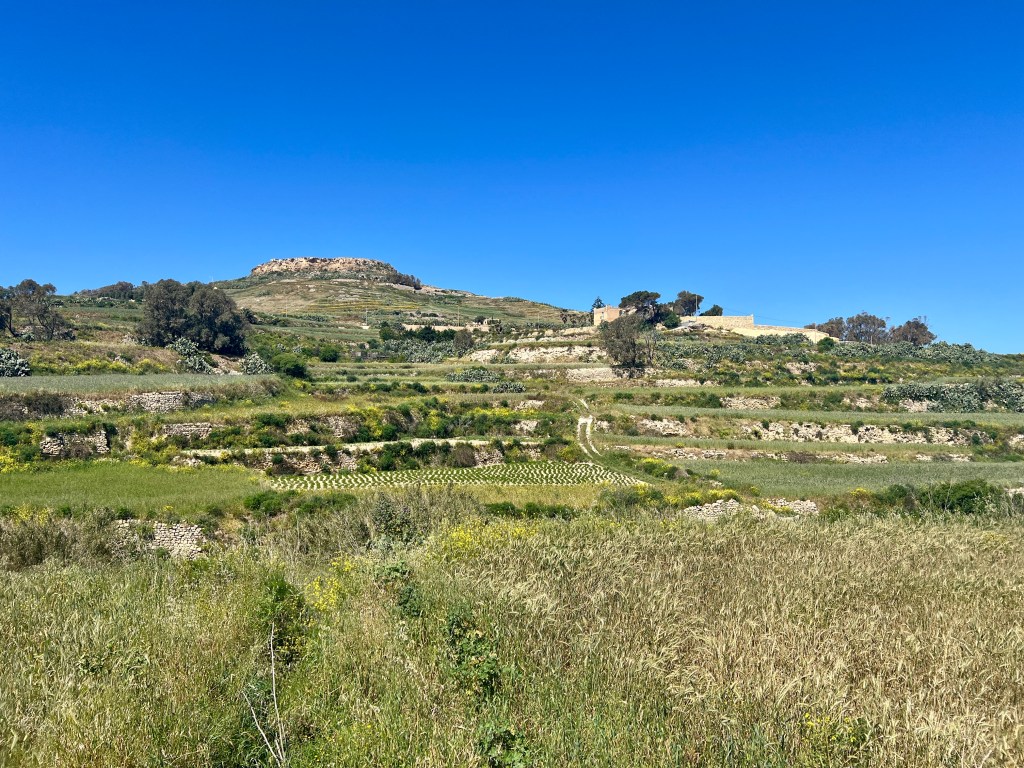
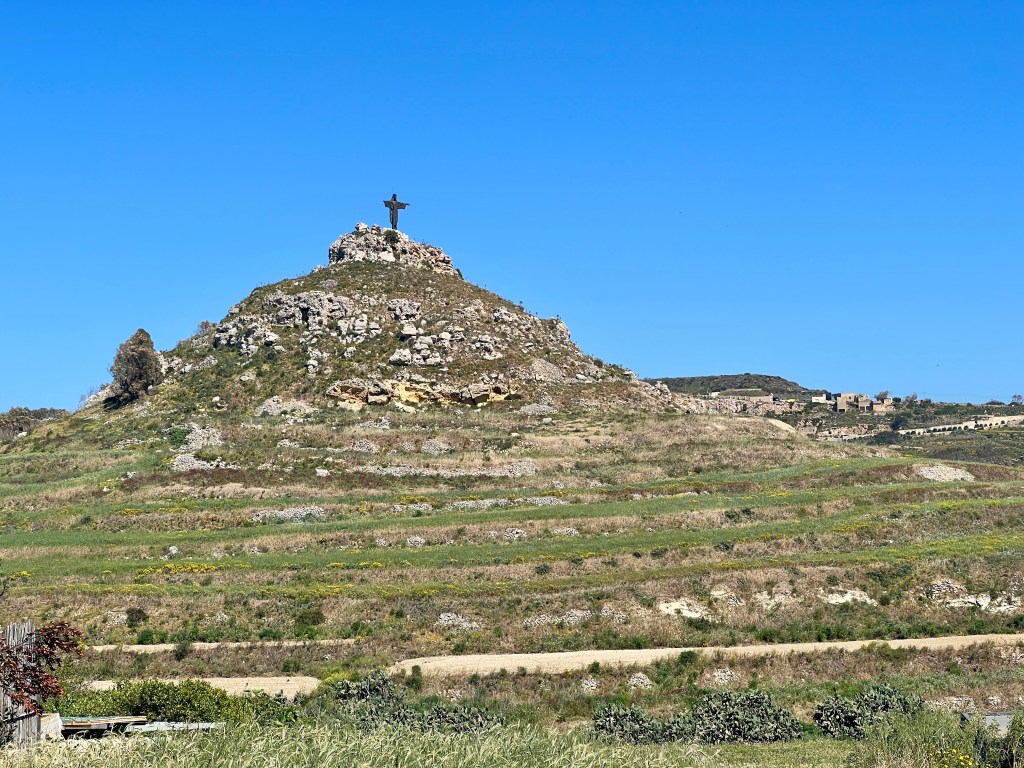
After lunch we continued along the coast before heading inland and uphill to return to Victoria, passing Tas-Salvatur Hill with its statue of Christ the Redeemer. Apparently this is the third statue – the first (1904) was not resistant to weather and was replaced in the 1960s. That one was destroyed by a thunderstorm, so they are taking no chances with the current one which is made of reinforced concrete.
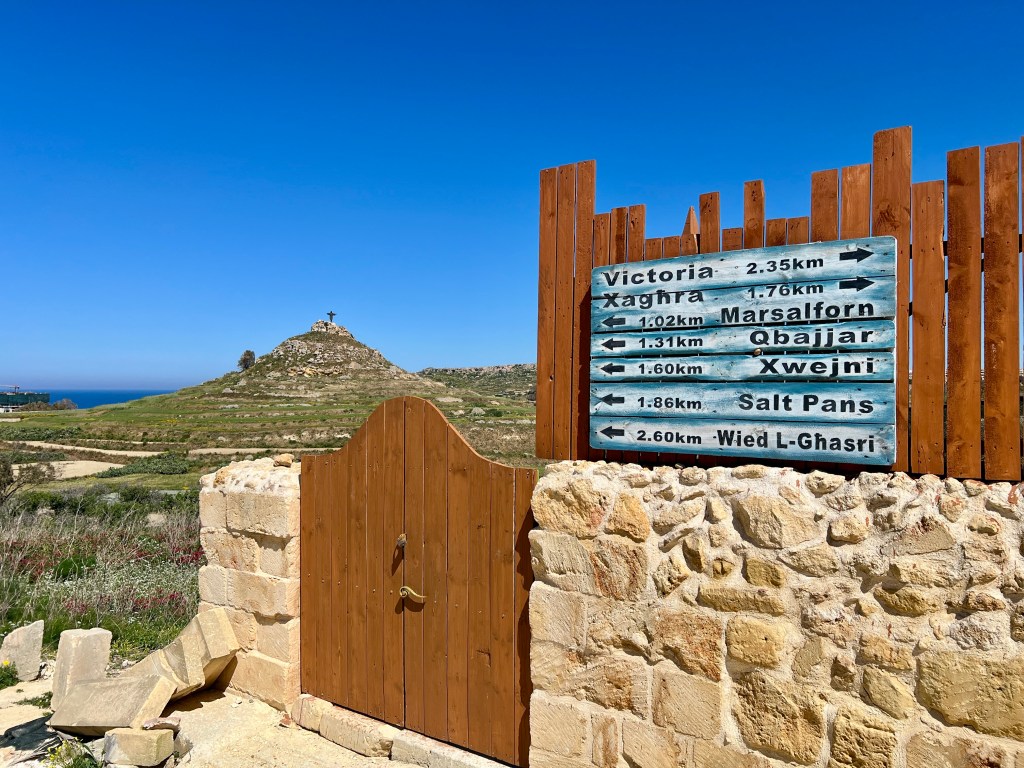
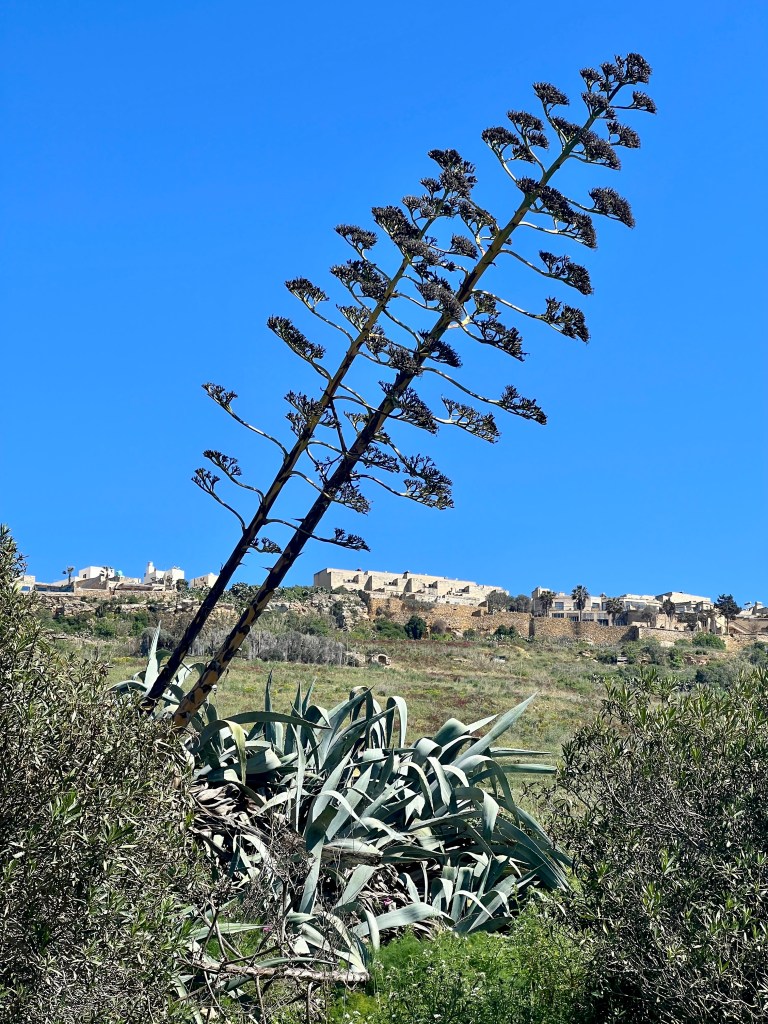
Another surprising plant to find (to me) was agave, again native to the Americas.
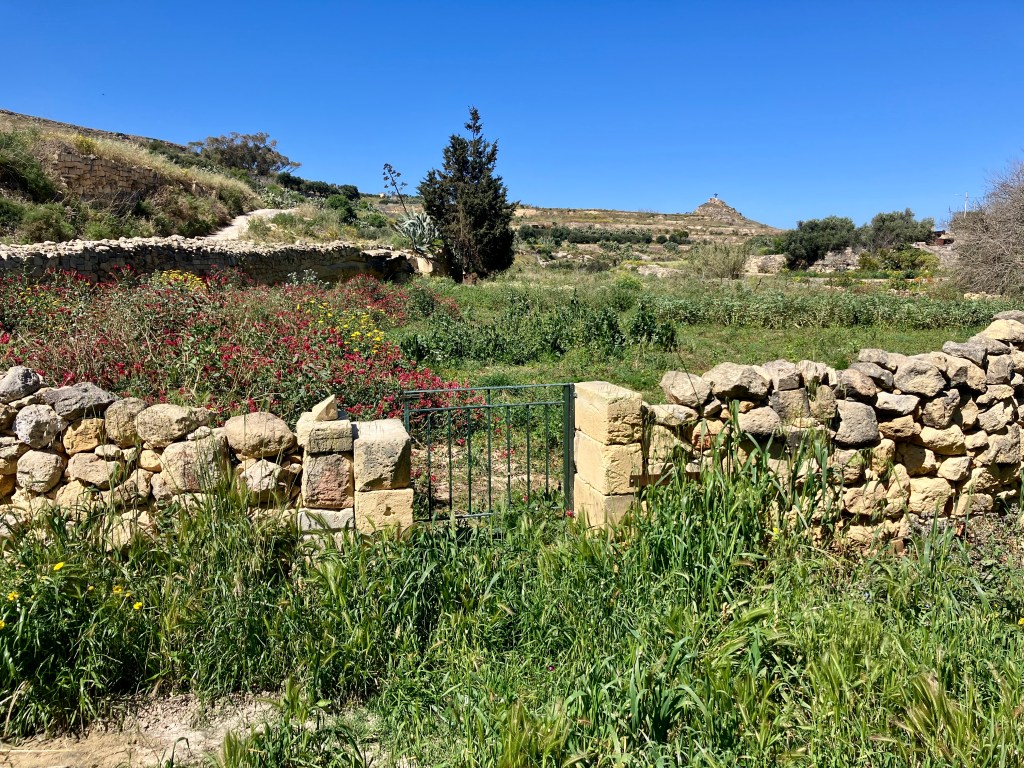
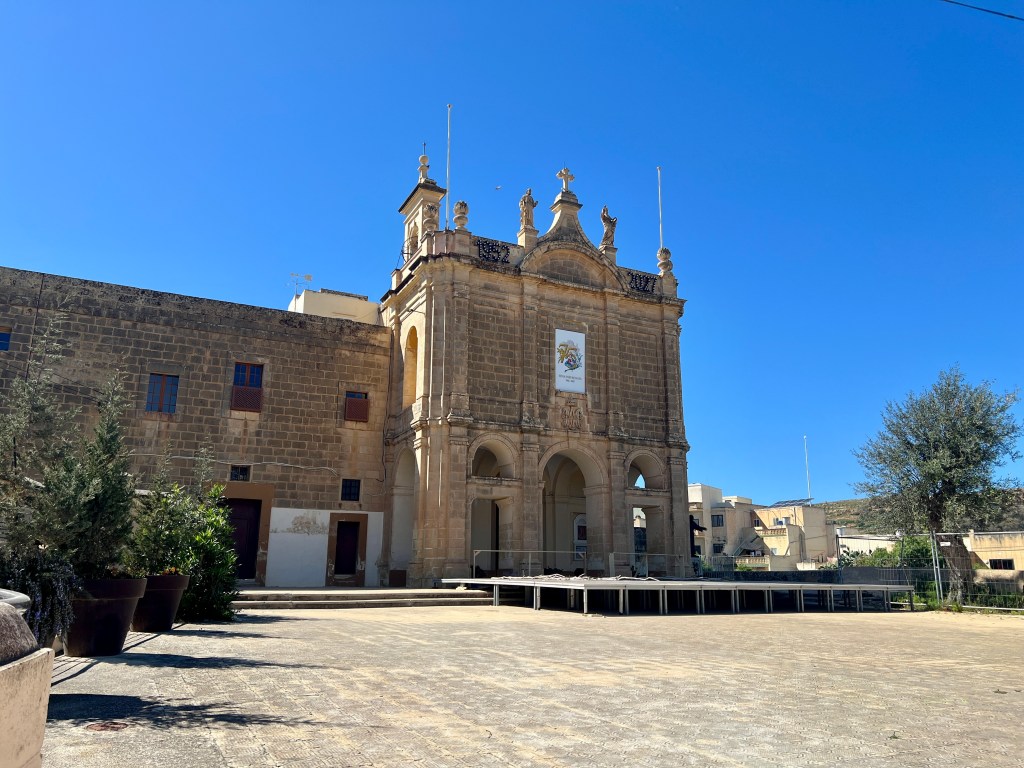
Finally, we arrived back in Victoria, passing the Capuchin Friary before returning to our hotel.
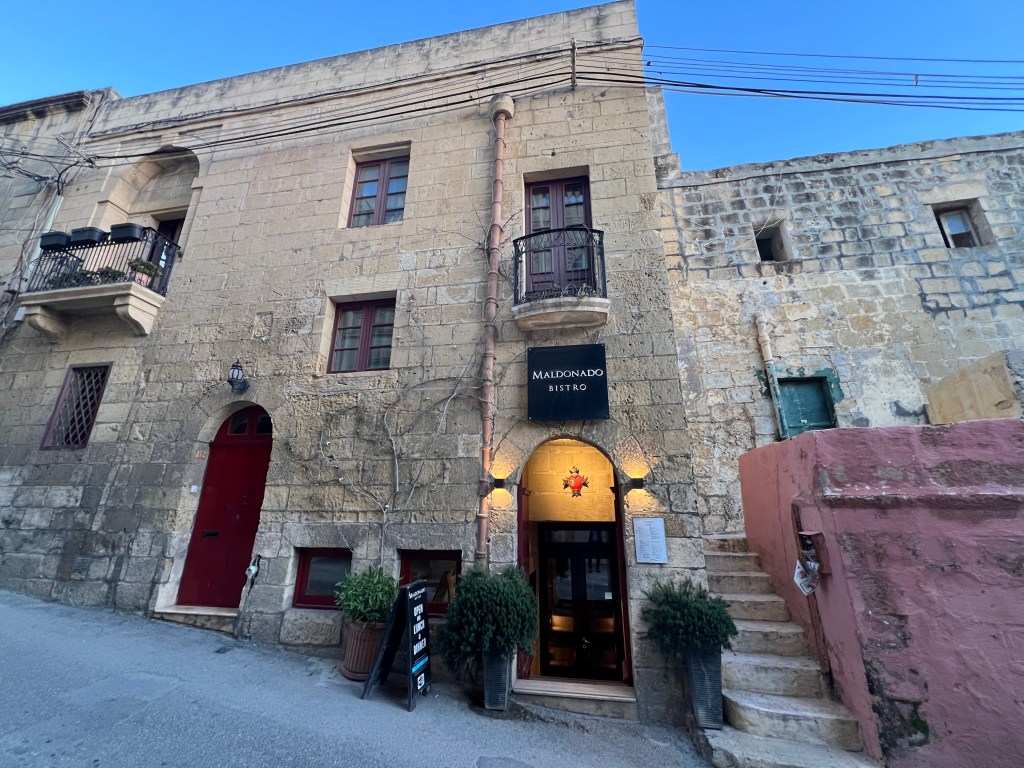
After a rest we went out again to eat in Maldonaldo Bistro, named after a 17th century Governor of Gozo, another amazing find to which we would return later in the week.
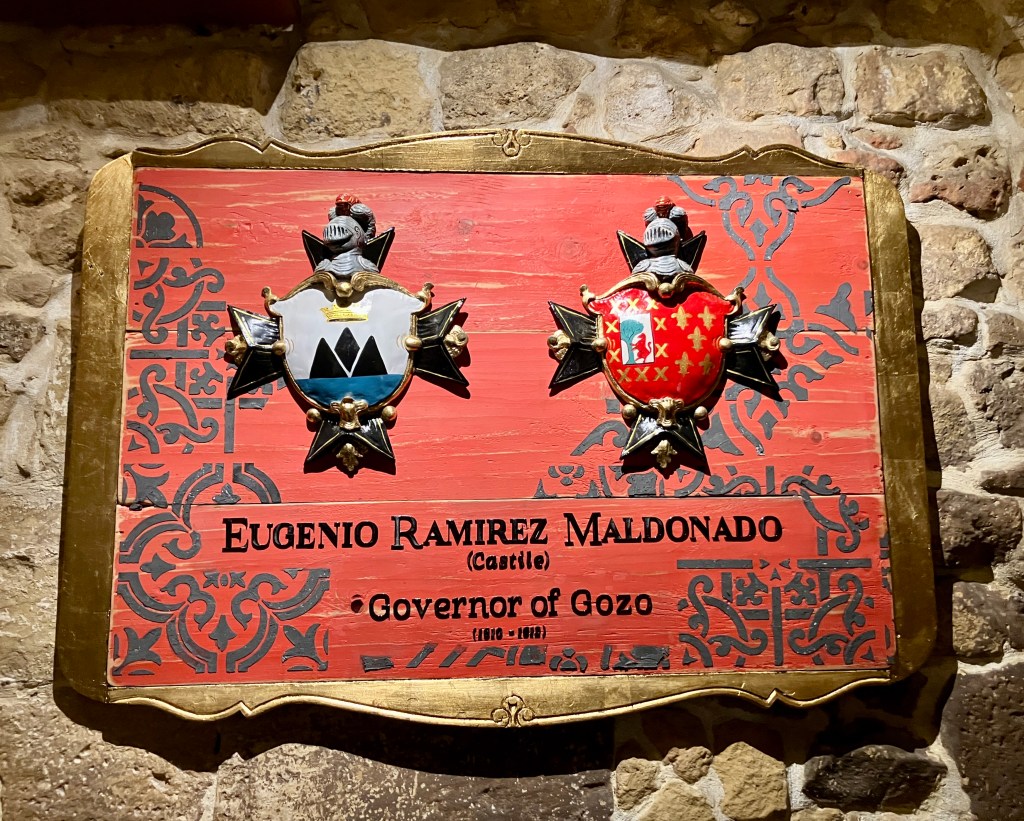
This was the only walk we did without using public transport. The next day we figured out the bus system!
Linked to Jo’s Monday Walk.


 The Glasgow Gallivanter
Beautiful walk Anabel.
LikeLike
Thanks, it was.
LikeLike
I’m with Heyjude in having missed some of your walks. But as I realised, I deliberately missed the rest of Gozo until I had time to walk through them.
Funny about prickly pear and agave; to me they are Mediterranean, simply because I first saw them in Majorca in the late fifties!
LikeLike
Glad to have you here catching up!
LikeLike
Visiting from Jo’s Walks. I visited Gozo for the day from Malta a couple of years ago, but we missed the saltpans, so I was interested to see your photos. We figured out the hop on hop off bus and really explored the island. My favourite stop was at Dwejra Bay.
LikeLike
Thanks for visiting! The hop on hop off buses seemed popular and to do a good job. We went to Dwejra Bay too.
LikeLike
An interesting little island. The scenery is very different.
LikeLike
We really liked it.
LikeLiked by 1 person
Somehow I forgot to come back to this post. I often glance at them on my phone, but prefer to read properly and comment on the computer, but I wasn’t on the computer much last week – too hot in my upstairs room. Anyway, back to the post. Gorgeous sky! We had some like that last week, but grey today (and cooler, thank goodness). I looked at the walk on the map, it seems like quite a long circular route, but I couldn’t really make out how you did it. You have whetted my appetite about revisiting Malta and Gozo. If only I could get there by train.
LikeLike
We had good instructions to follow! We did make it a bit longer by going into Ghasri to look at the church, but I’m glad we did because we ended up not doing the walk which went through Ghasri. Hmm, Malta by train? Maybe to Italy then by ferry. It would be a VERY long journey 😉.
LikeLiked by 1 person
Senior moment. I actually did do the journey by train back in 1979. Bus to London, train to Paris (no Eurostar then) so I must have crossed the channel on a ferry. From Paris to Rome. Rome to Sicily, ferry to Malta. All of my own with a 4 yr old and a 2 yr old. No wonder I have surpressed it 🫣
LikeLike
Goodness, that was heroic!
LikeLiked by 1 person
Crazy more like!
LikeLiked by 1 person
Lovely walk Anabel. The sea looks apealing.
LikeLike
Nice to look at but I didn’t go in!
LikeLiked by 1 person
Wonderful places!
LikeLike
Yes! Thanks.
LikeLiked by 1 person
Lots of fascinating bits here and a stunningly gorgeous day to be out and about.
LikeLike
Yes, apart from the day we transferred to Valletta on the main island we had sunshine all the time.
LikeLiked by 1 person
I do enjoy a circular route, much better than returning the same way you went. And yes, prickly pear was introduced here as cattle feed. It’s long been listed as a pest and there are ongoing programs to eradicate it.
LikeLike
Gozo is covered in it, huge banks. I can see how it would be considered invasive.
LikeLiked by 1 person
Looks lovely Anabel.
LikeLike
It was, thanks, Brenda.
LikeLiked by 1 person
That small bay looks like paradise. Love the shot across to the rocky sphynx-head-like outcrop. The water is so clear.
LikeLike
It was a lovely place to sit and while away a lunchtime.
LikeLike
Gozo does look like a beautiful destination. Lovely photo if you wearing sensible shoes. Such varied things to see and absorb.
LikeLike
Oh, I was wearing those walking boots all the time! Didn’t save me from one tumble, but no lasting damage.
LikeLike
It’s good to hear no lasting damage.
LikeLike
It wouldn’t be a holiday without me throwing myself down somewhere!
LikeLike
Some traditions should be abolished 😉
LikeLiked by 1 person
I have just been off to research saltpans. What a gorgeous walk but it does look hot. I think I would have walked into that gorgeous ocean! What a great location for lunch and a stellar walk.
LikeLike
We do have some saltpans in Scotland on the east coast. It was a lovely walk, hot but not too hot even for me. I’m afraid we’re about to experience too hot here.
LikeLike
I have never seen saltpans but now I know what they are. We have had buckets of moisture and virtually no heat. Send some our way!
LikeLike
If only we could!
LikeLiked by 1 person
That looks such a wonderful place to visit. Oh to be back in Europe!
LikeLike
You’ve only just left! And Europe at the moment is probably not very comfortable in the excessive heat.
LikeLike
True… !!
LikeLiked by 1 person
“they all made me wonder how else the church could have spent its money to benefit its parishioners.” – a thought that often crosses my mind.
LikeLike
Exactly, wait till you see some of the others! You can take it as read that I was thinking that every time. I might be a lapsed church goer but I come from a plain Protestant background and that has stayed with me.
LikeLike
A lovely walk through the landscape noting the flowers, the salt pans and the different churches. The churches all seem relatively recent …I wonder if they replaced older ones! Love the blue sky and the beach!
LikeLike
Yes, it was a gorgeous walk. I don’t know if the churches replaced older ones, but I do know that they were all excessively large for the size of the population and some of them jaw-droppingly over the top. Watch this space!
LikeLiked by 1 person
That sounds interesting!!
LikeLiked by 1 person
Lovely hike. I remember the salt pans; they are always interesting wherever we have seen them. (Suzanne)
LikeLike
Yes, the salt pans were interesting – we found more later but this was the main area.
LikeLike
What a lovely walk – I especially like the path between the wild flowers 🙂 Plus the salt pans themselves look really interesting and the view from your lunchtime café is gorgeous!
LikeLike
The wild flowers were just gorgeous everywhere. It was lovely to sit and watch the sea over lunch – giving my feet a well earned rest too!
LikeLiked by 1 person
Looks like a great walk from beginning to end, based on the variety of scenery and sights. And the weather looks gorgeous. I can guess that Gozo and this story takes place in Malta (and I did see it in a tag at the bottom of the blog) based on your previous posts, but a new reader to your blog might wonder where Gozo is located. 🙂
LikeLike
It was a lovely walk. I take your point, but I’ve done several posts on Malta already including a map of Gozo in the last one so I don’t want to keep repeating myself!
LikeLiked by 1 person
Looks a great island. That’s always a sign of dry hot conditions. Only seen prickly pears in two places. Corsica and Australia. In both it was over 90 degrees in summer. Bob. BSS.
LikeLike
We might be getting them in this country if the temperatures keep increasing! Not looking forward to the next few days 🥵.
LikeLike
What a beautiful landscape. I would love to meander through the island and to see the salt pans and the sea. 🙂
LikeLiked by 1 person
We had some gorgeous walks.
LikeLike
This is a bit like coals to Newcastle with a Maltese flavour, Anabel! I can see salt pans from our roof and there’s no shortage of prickly pear and oxalis. I’m fairly sure I’d love Gozo. Not so easy from here but maybe next year. Many thanks for the taster xx
LikeLike
I used that phrase (coals to Newcastle) once and she had no idea what I was talking about! And this wasn’t even recent. Gozo is beautiful, I’m sure you’d love it.
LikeLiked by 1 person
A good walk Anabel although it looks like it was a warm one. I like the pelican symbol in the church floor and Xwejni Bay looks lovely – that clear sea looks so inviting.
LikeLike
It was hot by my standards – but nothing like as hot as is predicted for England over the next few days!
LikeLike
A lovely walk, I think I’d enjoy Gozo
LikeLike
I think you would – it’s really lovely.
LikeLike